Showing posts with label Chemicals. Show all posts

Wednesday, December 16, 2015

The court of appeals in Lyon, France, has found agribusiness giant Monsanto guilty of poisoning a man named Paul François.


Waking Times
 
 
By December 14, 2015
 

Court Finds Monsanto Responsible for Poisoning French Farmer


monsanto failAlex Pietrowski, Staff.
 
Waking Times
 

The court of appeals in Lyon, France, has found agribusiness giant Monsanto guilty of poisoning a man named Paul François. François is a farmer who claimed that he suffered a multitude of ailments, including headaches, memory loss, neurological problems and stammering, after he unintentionally inhaled Monsanto’s herbicide, Lasso.

François used Lasso for over 15 years, and in 2004 accidentally inhaled the product. After the incident, the farmer began getting severe headaches and experienced moments of mental absence and an inability to speak.

The chemical’s effects on François were so severe that he fainted, was hospitalized and fell into a coma. François was diagnosed with monochlorobenzene poisoning by his doctors, who found that the chemical permanently damaged his brain. Monochlorobenzene makes up 50% of the herbicide Lasso.
It is worth noting that the herbicide was prohibited in France and the rest of the European Union in 2007, and at the time of the incident, it was already banned in Canada (since 1985), Great Britain and Belgium (since 1992).

During the court hearing, Monsanto’s attorneys repeatedly claimed that the herbicide Lasso was not dangerous. François claimed that the company was aware of the toxic nature of the herbicide but failed to adequately warn about the potential health risks.


Read More Here

Thursday, November 19, 2015

Toxic Babies: Why Children Increasingly Share Their Parents’ Toxicity and Nutritional Deficiencies

.


Wake Up World
 
 
Baby

10th September 2013
By Raluca Schachter
Contributing Writer for Wake Up World

I have to admit, even the title sounds disturbing! But I believe it’s high time to stop sugar coating the reality we live in. I see in my practice more and more children who share their parents’ nutritional deficiencies and toxicity. Yes, a pure, innocent baby who’s barely starting life is also touched by the harsh environment we live in these days, and parents can pass down their imbalances to their baby.
This article is not supposed to offer a pessimistic view, but rather to help raise awareness, prepare and teach you about how to better take care of your children’s health.
This became really necessary considering that:
  • Environmental toxicity is one of the most important causes of chronic illness in the world today.
  • Heavy metals as well as petrochemicals play an important role in toxic buildup and disease.
  • Every man, woman and child in the United States has at least one petrochemical solvent in their blood stream and likely more than 100.
  • In the past 40 years, every single person tested in the United States has been found to have styrene in their blood…
  • … and given that everyone has styrene in their blood, the excretion of this petrochemical solvent in the urine should also show up on everyone’s test.
  • The most symptomatic and chronically ill individuals are those with poor excretion patterns.
 

How Toxic Is Our World Today?

Over 80,000 man-made chemicals have been added to our environment. Most of them are toxins and a great many are carcinogens and endocrine disrupters. The situation with each passing year grows worse, not better. Toxins now pervade the air we breathe, the water we drink, the food we eat, and the seemingly endless array of body care products — toothpastes, mouthwashes, hair products, makeup, shampoos, soaps, lip balms, body lotions, sun products, etc.
 
 
Read More Here.

Monday, November 9, 2015

The impending anthropogenic mass extinction could very well make the elite depopulation agenda a moot point according to Rosemary Mason.


Global Research

Poisoned Agriculture: Depopulation and Human Extinction


Agricultural-Engineer-On-Field-Examining-Ripe-Ears-Of-Grain-GMO-Test-Crop


There is a global depopulation agenda. The plan is to remove the ‘undesirables’, ‘the poor’ and others deemed to be ‘unworthy’ and a drain on finite resources. However, according to Rosemary Mason, the plan isn’t going to work because an anthropogenic mass extinction is already underway that will affect all life on the planet and both rich and poor alike. Humans will struggle to survive the phenomenon.


A new paper by Rosemary A Mason in the ‘Journal of Biological Physics and Chemistry’, indicates that a ‘sixth extinction’ is under way (the Holocene extinction, sometimes called the Sixth Extinction, is a name describing the ongoing extinction of species during the present Holocene epoch - since around 10,000 BCE). In her paper, ‘The sixth mass extinction and chemicals in the environment: our environmental deficit is now beyond nature’s ability to regenerate’, she argues that loss of biodiversity is the most urgent of the environmental problems, as biodiversity is critical to ecosystem services and human health. And the main culprit is the modern chemical-intensive industrialised system of food and agriculture.

Mason asserts there is a growing threat from the release of hormone-disrupting chemicals that could even be shifting the human sex ratio and reducing sperm counts. An industrial agricultural revolution has created a technology-dependent global food system, but it has also created serious long-run vulnerabilities, especially in its dependence on stable climates, crop monocultures and industrially produced chemical inputs. In effect, farming is a principal source of global toxification and soil degradation.

Without significant pressure from the public demanding action, Mason argues there could little chance of changing course fast enough to forestall disaster. The ‘free’ market is driving the impending disaster and blind faith in corporate-backed technology will not save us. Indeed, such faith in this technology is actually killing us.

Since the late 1990s, US scientists have written in increasingly desperate tones regarding an unprecedented number of fungal and fungal-like diseases, which have recently caused some of the most severe die-offs and extinctions ever witnessed in wild species and which are jeopardizing food security. Only one paper dared to mention pesticides as being a primary cause, however.
Mason cites a good deal of evidence to show how the widespread use on agricultural crops of the systemic neonicotinoid insecticides and the herbicide glyphosate, both of which cause immune suppression, make species vulnerable to emerging infectious pathogens, driving large-scale wildlife extinctions, including essential pollinators.

Providing evidence to show how human disease patterns correlate remarkably well with the rate of glyphosate usage on corn, soy and wheat crops, which has increased due to ‘Roundup Ready’ crops, Mason goes on to present more sources to show how our over-reliance on chemicals in agriculture is causing irreparable harm to all beings on this planet. Most of these chemicals are known to cause illness, and they have likely been causing illnesses for many years. But until recently, the herbicides have never been sprayed directly on food crops and never in this massive quantity.

The depopulation agenda

Mason discusses how agriculture and genetically modified organisms (GMOs) fit into a wider agenda for depopulating the planet. She notes that on the initiative of Gates, in May 2009 some of the richest people in the US met at the home of Nurse, a British Nobel prize-winning biochemist and President (2003–10) of Rockefeller University in Manhattan, to discuss ways of tackling a ‘disastrous’ environmental, social and industrial threat of overpopulation. The meeting was hosted by David Rockefeller Jr. These same individuals have met several times since to develop a strategy in which population growth would be tackled.

The Rockefeller Foundation (RF) was involved in extensive financing of eugenics research  in league with some of the US’s most respected scientists from such prestigious universities as Stanford, Yale, Harvard and Princeton. The explicit aim of the eugenics lobby funded by wealthy élite families, such as Rockefeller, Carnegie, Harriman and others since the 1920s, has embodied what they termed ‘negative eugenics’, the systematic killing off of ‘undesired bloodlines’.

RF funded the earliest research on GMOs, which Mason regards as part of the depopulation agenda. The RF funded the earliest research on GMOs in the 1940s and effectively founded the science of molecular biology.

Mason cites Steven Druker to show the fraud behind GMOs and how governments and leading scientific institutions have systematically misrepresented the facts about GMOs and the scientific research that casts doubt on their safety. Druker has shown that GMOs can have severe health impacts, which have been covered up.

The Royal Society is the preeminent scientific body within the UK that advises the government. It has misrepresented the facts about GMOs and has engaged in various highly dubious and deceptive tactics to promote the technology.

Druker wrote an open letter to RS as it has an obligation to the British public to provide a public response and ‘put the record straight’ on GMOs. Although Sir Paul Nurse’s presidency of Rockefeller University terminated in 2010, after he assumed the Royal Society presidency, Mason notes that Nurse is said to have maintained a laboratory on the Rockefeller campus and has an ongoing relationship with the university.

She asks: is that why Sir Paul was unable (or unwilling) even to discuss GMOs with Steven Druker? Was he sent to London by the Rockefeller Foundation to support the UK Government in their attempt to bring in GM crops? The UK Government and the GM industry have after all been shown to be working together to promote GM crops and foods, undermine consumer choice and ignore environmental harm.

Mason then goes on to discuss the impact of glyphosate residues (herbicide-tolerant GM crops are designed to work with glyphosate), which are found in the organs of animals, human urine and human breast milk as well as in the air and rivers. She documents its widespread use and contamination of soil and water and notes that the WHO International Agency for Research on Cancer’s assessment of glyphosate being a 2A carcinogen (probably carcinogenic in humans) is unwelcome news for the agrochemical industry. She also notes that Roundup usage has led to a depletion of biodiversity and that loss of biodiversity is also correlated with neonicotinoids. However, despite the evidence, the blatant disregard concerning the use of these substances by regulatory agencies around the world is apparent.

To provide some insight into the impact on health of the chemical-intensive model of agriculture, Mason shows that in the US increases in Alzheimer’s disease, obesity, breast cancer, oesophageal cancer, congenital anomalies and a growing burden of disability, particularly from mental disorders are all acknowledged.

She claims that plans are under way to depopulate the planet’s seven million plus people to a more manageable level of between 500–2000 million by a combination of means, including the poisoning and contamination of the planet’s food and water supplies via chemical-intensive industrialised agriculture. Mason also notes that health-damaging GMOs are being made available to the masses (under the guise of ‘feeding the poor’), while elites are more prone to eat organic food.
We may be gone before planned depopulation takes hold

Although Mason cites evidence to show that a section of the US elite has a depopulation agenda, given the amount of poisons being pumped into the environment and into humans, the thrust of her argument is that we could all be extinct before this comes to fruition – both rich and poor alike.
In concluding, she states that the global pesticides industry has been allowed to dominate the regulatory agencies and have created chemicals of mass destruction that can no longer be controlled. She has some faith in systems biology coming to the fore and being able to understand the complexity of the whole organism as a system, rather than just studying its parts in a reductionist manner. But Mason believes that ultimately the public must place pressure on governments and hold agribusiness to account.

However, that in itself may not be enough.

It is correct to highlight the poisonous impacts of the Rockefeller-sponsored petrochemical ‘green revolution’. It has uprooted indigenous/traditional agriculture and local economies and has recast them in a model that suits global agribusiness. It is poisoning life and the environment, threatening food security across the globe and is unsustainable. The ‘green revolution’ was ultimately a tool of US foreign policy that has been used in conjunction with various institutions like the IMF, World Bank and World Trade Organisation. GMOs represent more of the same.

In this respect, Mason follows the line of argument in William F Engdahl’s book ‘Seeds of Destruction: The Hidden Agenda of Genetic Manipulation’, which locates the GM issue and the ‘green revolution’ firmly within the context of empire. Engdahl also sees the Rockefeller-Gates hand behind the great GMO project to a sinister eugenicist strategy of depopulation.

Mason’s concerns about depopulation therefore should not be dismissed, particularly given the record of the likes of the Gates and Rockefeller clans, the various covert sterility programmes that have been instituted by the US over the decades and the way agriculture has and continues to be used as a geopolitical tool to further the agendas of rich interests in the US.

To understand the processes that have led to modern farming and the role of entities like Monsanto, we must appreciate the geopolitics of food and agriculture, which benefits an increasingly integrated global cartel of finance, oil, military and agribusiness concerns. This cartel seeks to gain from war, debt bondage and the control of resources, regardless of any notions relating to food security, good health and nutrition, biodiversity, food democracy, etc.
Food and trade policy analyst Devinder Sharma notes the impacts in India:
“India is on fast track to bring agriculture under corporate control… Amending the existing laws on land acquisition, water resources, seed, fertilizer, pesticides and food processing, the government is in overdrive to usher in contract farming and encourage organized retail. This is exactly as per the advice of the World Bank and the International Monetary Fund as well as the international financial institutes.”
In Punjab, India, pesticides have turned the state into a ‘cancer epicentre‘. Moreover, Indian soils are being depleted as a result of the application of ‘green revolution’ ideology and chemical inputs. India is losing 5,334 million tonnes of soil every year due to soil erosion because of the indiscreet and excessive use of fertilisers, insecticides and pesticides. The Indian Council of Agricultural Research reports that soil is become deficient in nutrients and fertility.

And now, there is an attempt to push GM food crops into India in a secretive, non-transparent manner that smacks of regulatory delinquency underpinned by corrupt practices, which suggests officials are working hand in glove with US agribusiness.

As smallholders the world over are being driven from their land and the GMO/chemical-industrial farming model takes over, the problems continue to mount.

The environment, the quality of our food and our health are being sacrificed on the altar of corporate profit and a type of looting based on something we can loosely regard as ‘capitalism’. The solution involves a shift to organic farming and investment in and reaffirmation of indigenous models of agriculture. But ultimately it entails what Daniel Maingi of Growth Partners for Africa says what we must do: “… take capitalism and business out of farming.”

It must also entail, according to Maingi, investing in  “… indigenous knowledge and agroecology, education and infrastructure and stand(ing) in solidarity with the food sovereignty movement.”
In other words, both farmers and consumers must organise to challenge governments, corrupt regulatory bodies and big agribusiness at every available opportunity. If we don’t do this, what Mason outlines may come to pass.


Tuesday, November 3, 2015

EPA Proposes Extended Ban on Neurotoxic Pesticide Sprayed on Crops


Banned for household use since 2000
 
pesticide-field-sprayings-735-250
 
by Julie Fidler
Posted on November 1, 2015
 
 
The U.S. Environmental Protection Agency (EPA) announced Friday a proposal that would ban a pesticide commonly sprayed on citrus fruits, almonds, and other crops.


Chlorpyrifos has been in use since 1965 as an insecticide for oranges, apples, cherries, grapes, broccoli, and asparagus. Dozens of farmworkers have been sickened by chlorpyrifos is recent years. In September 2014, a coalition of environmental health groups sued the EPA, asking the agency to ban the toxic chemical.
 
The agency cited scientific evidence in defense of its ban on chlorpyrifos for household use in 2000. Prior to the ban, chlorpyrifos was the most widely used household pesticide in the U.S. Sold as Dursban, the Dow-made chemical was found in flea collars and was routinely used to kill household pests, such as roaches, termites and ants.

At the time, the agency warned that farmworkers who mixed chlorpyrifos, sold for farms as Lorsban, or applied it using backpack sprayers or open-cab tractors faced a potentially unacceptable level of risk. The agency also said it needed to research how chlorpyrifos drifting from nearby fields or tracked home on clothing put children’s health at risk.

The National Resources Defense Council (NRDC) and Pesticide Action Network North America (PANNA) say that chlorpyrifos interferes with the brain development of fetuses, infants and children. [1] It has also been found to cause genetic damage in children, though it is reversible, and one study linked the insecticide to an increased risk of autism in unborn children.

Read More Here

Wednesday, October 14, 2015

The FDA has granted fast track approval for Dangerous Vaccine Adjuvant in Elderly Flu Vaccinations


Natural Blaze

Top Dangerous Vaccine Adjuvant Will Be Used for Elderly Flu Vaccinations

Dangerous-Vaccine-Adjuvant
By Paul Fassa

The FDA has granted fast track approval for Swiss based Novartis’s flu shot that contains squalene as an adjuvant  to boost what they consider an immune response.

Fast track approval is normally reserved for crucial emergencies during vaccine shortages. You might be aware that there is no shortage of flu vaccines and most hyped flu epidemics are bogus. (Source below, No More Fake News)

But what they call an immune response is mostly a localized cytokine response to toxic adjuvants and preservatives. But the process of creating a cellular memory to defend against future viral attacks is usually bypassed by vaccinating.

That’s why getting a viral disease and recovering or even being exposed to one without falling ill grants lifetime immunity, and that’s how true “herd immunity” can occur.

Squalene was used for troop anthrax vaccinations during the Gulf War and has been associated with Gulf War Syndrome that affected thousands of American soldiers during the Gulf War, many of whom died from that alone, exceeding combat fatalities.

Read More Here

Friday, October 9, 2015

Monsanto’s Roundup, Glyphosate Found to Disturb Hormonal Balance


Among other nasty health problems
 
pesticies_roundup_road_735_350
 
by Christina Sarich
Posted on October 6, 2015
 
 A group of scientists from the Indian Institute of Science (IIS) has researched the commonly used herbicide, Roundup, and found that it damages the endocrine system and disrupts hormonal balance in rats.
 
Prof Medhamurthy Rudraiah at MRDG, IISC, and his student Aparamita Pandey say that Roundup can cause imbalances in the synthesis of steroid hormones in male rats. Their paper on the subject was recently published in the journal Toxicology Reports.

 
Monsanto’s Roundup primarily kills weeds by inhibiting enzymes that synthesize aromatic amino acids (the basic building blocks that make up proteins) essential for plant development.
Most mammals, including humans, do not make the enzymes that would allow us to synthesize these aromatic amino acids. This is largely why Monsanto has claimed that Roundup is considered ‘safe and non-toxic.’ Recent studies, however, have suggested that glyphosate, the primary constituent of Roundup, could be a carcinogen, and could affect the development of the fetus as well as disrupt hormonal functioning.

Read More Here

Wednesday, October 7, 2015

Roundup causes cancer: Monsanto hid evidence for 40 years while lying to and defrauding Americans, FOIA documents show


NaturalNews's profile photo
NaturalNews
Monsanto

(NaturalNews) The downfall of the Monsanto chemical empire could go down in history as having had its official launch in 2015, the year that its flagship herbicide Roundup was found by the World Health Organization (WHO) to be a probable cause of cancer in humans. 2015 is also the year that it was revealed that Monsanto has been hiding the dirty details of this deadly chemical formula from regulatory authorities for nearly four decades.

An independent research scientist by the name of Anthony Samsel procured some 15,000 pages worth of documents from Monsanto covering the full gamut of research on Roundup, the most widely used herbicide in the world, and the information contained in those pages isn't pretty. In essence, Monsanto has known full well for nearly 40 years that Roundup and glyphosate are linked to organ damage and cancer, and yet this information was withheld from public purview as "proprietary trade secrets."

As a member of the Union of Concerned Scientists (UCS), Samsel has spent much of his career life studying the toxicological effects and bioactivity of Roundup. Based on a cohort of scientific data, he has come to the conclusion that Monsanto purposely failed to submit to regulators evidence showing that glyphosate isn't as safe or biodegradable as the company claims.

"Monsanto misrepresented the data," Samsel told listeners during a recent broadcast on the Progressive Radio Network (PRN) that aired on September 4. Monsanto "deliberately covered up data to bring the product [glyphosate] to market," he added.

For more alternative news like this, don't miss our exclusive news aggregation service at AlternativeNews.com.

Monsanto corrupted scientific process to push deadly poisons on agriculture

What did this critical data show? According to Samsel, Monsanto intentionally corrupted animal studies by using animals that were already sick with cancer and organ failures as controls. Based on the metrics used in these studies, this made those animals exposed to glyphosate appear no more afflicted than the control animals because all of the animals ended up getting sick.

It's the same thing vaccine manufacturers do to make toxic vaccines appear "safe and effective": they give "controls" a different kind of vaccine than the one being tested so that all the test subjects are injected with some kind of vaccine. Then, when rates of encephalitis, autism, and other conditions appear generally equal among the test group and the controls, Monsanto is able to make the false claim that no additional adverse effects were observed.

"In order to minimize and cancel out its adverse findings, Samsel explained that Monsanto had relied upon earlier historical animal control data, toxicological research with lab animals afflicted with cancer and organ failures, and completely unrelated to glyphosate," explains an article by PRN about the scandal.

The PRN report adds that Monsanto routinely includes what it says are "extraneous studies" to hide or cancel out negative outcomes in other studies and make a particular chemical or GMO product appear safe when it actually isn't. This criminal tactic has allowed Monsanto and other chemical giants to spread millions of tons of deadly chemicals around the world without penalty when such products never should have gained regulatory approval in the first place.

"In effect, glyphosate received licensure based upon a platform of junk tobacco science," the report explains. "By ignoring cause and effect relationships behind the onset of multiple cancer and other life-threatening diseases throughout many of its research trials, Monsanto engaged in a radical scientific denialism that has since raked in tens of billions of dollars."

Sources for this article include:

PRN.fm

NaturalNews.com

............................................................................................

About NaturalNews

The NaturalNews Network is a non-profit collection of public education websites covering topics that empower individuals to make positive changes in their health, environmental sensitivity, consumer choices and informed skepticism. The NaturalNews Network is owned and operated by Truth Publishing International, Ltd., a Taiwan corporation. It is not recognized as a 501(c)3 non-profit in the United States, but it operates without a profit incentive, and its key writer, Mike Adams, receives absolutely no payment for his time, articles or books other than reimbursement for items purchased in order to conduct product reviews.
The vast majority of our content is freely given away at no charge. We offer thousands of articles and dozens of downloadable reports and guides (like the Honest Food Guide) that are designed to educate and empower individuals, families and communities so that they may experience improved health, awareness and life fulfillment.
Learn More About Natural News Here

Thursday, October 1, 2015

Monsanto’s Cancer Causing Herbicide Doesn’t Even Work, Actually Makes Weeds Stronger


...............................................

 
grass-76069_640


As we have covered extensively in recent months, Monsanto’s herbicide Glysophate, the primary ingredient in their top-selling product “RoundUp” has been proven to cause cancer. Now, according to new reports, the chemical doesn’t even work and is creating a new resistance in weeds that make them more resiliant and more difficult to get rid of.

Nebraska farmer Mike Pietzyk recently discussed how the weeds are becoming resistant to RoundUp in a recent interview with Chemicals And Engineers News.

“The days of going out and spraying RoundUp twice a year—those are long gone,” he said, adding that he was forced to use a cocktail of different chemicals, some of which are even more dangerous than RoundUp. Pietzyk and other farmers are now seeking new solutions to avoid the harsh pesticides used in conventional farming.
 
“People in urban areas and towns need to understand—we live here, we drink the water under the ground out here,” he says. “We want to be good stewards of what we’ve been entrusted with,” he said.

According to U.S. weed scientist Dallas Peterson, one type of weed, in particular, called Palmer amaranth, has become especially resistant to pesticides and is overgrowing farms across the country.
Complaints of herbicide-resistant weeds have become so common that the House Agriculture Committee has scheduled a meeting on December 4th to specifically address the situation.

Roundup, formulated to be used on GMO or “Roundup Ready” crops engineered to be resistant to it, is the most widely used herbicide in the world. It was originally introduced in the 1970s to control weeds and then took off when the planting of GMO crops skyrocketed in the past 15 years.

According to a U.S. Geological Survey (USGS), glyphosate use in the U.S. increased from about 20 million pounds in 1992 to 110 million pounds in 2002 to more than 280 million pounds in 2012.
In a statement released earlier this year, the World Health Organization’s International Agency for Research on Cancer (IARC) announced that glyphosate, the main ingredient in RoundUp, is “probably carcinogenic.”


John Vibes writes for True Activist and is an author, researcher and investigative journalist who takes a special interest in the counter culture and the drug war.

Wednesday, September 30, 2015

Fears mount that the USDA's organic certification process is being hijacked by corporate interests

 
 Natural News
..
organic


(NaturalNews) Some organic food experts are worried that the term used to describe non-genetically modified crops and produce may soon become nearly meaningless, thanks in large part to undue (read corporate) influence on the Department of Agriculture.

According to Jerome Rigot, PhD, writing in a blog posted at the Cornucopia Institute, which promotes food safety backed by science, it may no longer be accurate to rely on the USDA's "organic" labeling as remaining "true to its mandate of assuring consumers that food under this label is truly healthy and grown or raised with minimal impact to the environment," as well as respecting "the health and well-being of the workers and animals involved."

Rigot notes that, among other concerns, Consumers Union, the publisher of Consumer Reports, recently downgraded its rating of the Agriculture Department's organic seal and label. The director of the Consumer Safety and Sustainability Center for the magazine, Dr. Urvashi Rangan, testified to the National Organic Standards Board in late 2014: "Organic is slipping. And as a result, we have downgraded its rating from highly meaningful to meaningful." He further noted that the rule of the magazine "is to help educate people about what organic means as well as what it doesn't mean."
Regarding these concerns, Rigot wrote:

As an example, the Cornucopia Institute filed formal legal complaints with the USDA in December 2014 against 14 giant poultry and dairy CAFOs (read: concentrated animal feeding operations or "factory farms") for allegedly violating the USDA organic regulations requiring outdoor and pasture access. Each complaint was summarily dismissed, without an investigation, by the enforcement division of the National Organic Program (NOP), which stated, "The NOP has reviewed these complaints and has determined that investigation is unwarranted."

Inept, corporatists or lobbyists

The determination was odd, says Rigot, because literally hundreds of high-res photos, satellite imagery and state regulatory documents were submitted as evidence to the NOP which, together, should have produced more than enough doubt to motivate someone to launch an investigation.
A former NOSB board member who manages the country's first certified organic dairy farm, Kevin Englebert, was clearly disappointed by the NOP decision, seeing it as a lapse of the organization's responsibilities.

"For the NOP to not even investigate these facilities means one of three things: 1) the personnel who made that decision are inept, 2) they are too close and friendly with corporate lobbyists and multimillion-dollar certifiers that are involved in the process, or 3) the most likely scenario, corrupt politicians are preventing them from enforcing the law," he said, as quoted by Rigot, who intimated that elements of all three reasons might be at play.

He noted that the National Organic Program is a very small part of the Agriculture Department. However, many large corporations have a significant vested interest in organic foods, especially the processed foods industry (including General Mills, Smuckers, Coca-Cola, etc.), and similar to GMO corporations, they'll do whatever it takes to expand their bottom line.

"Circumstantial evidence makes it reasonable to conclude that the same type of undue industry influence that appears to have prevented Vilsack and the USDA from acting quickly to end the Salmonella outbreak [in 2014] and limit the health toll is behind efforts to dilute the federal organic standards, control the NOP leadership, and limit or obstruct the ability of the congressionally authorized National Organic Standard Board from doing its job efficiently and with integrity," Rigot wrote.

For more breaking news regarding organic agriculture, check out Organics.news, powered by FETCH.news.

Compromised board members

In September 2014, we reported that the Cornucopia Institute had conducted a study to examine the voting records and backgrounds of the 15 members of the NOSB.

The board is an advisory body created by the secretary of agriculture to make recommendations aimed at preserving and protecting the organic farming industry. What's more, the board is also required to maintain and update the National List of Approved and Prohibited Substances – a list that identifies substances and other compounds that cannot be used in organic crop and livestock production.

The NOSB's seats are supposed to be filled with members representing farmers, environmentalists, public interest advocates, handlers, retailers, scientists and a USDA certifying agent. However, Cornucopia found in its study that corporate representatives were filling seats intended for farmers and other independent organic industry stakeholders, often leading to decisions that were not beneficial to the organic food and livestock industry.

Details surrounding that study are posted here.

Sources:
Cornucopia.org
NaturalNews.com
AMS.USDA.gov

Wednesday, May 7, 2014

American Apples Have Been Banned in Europe

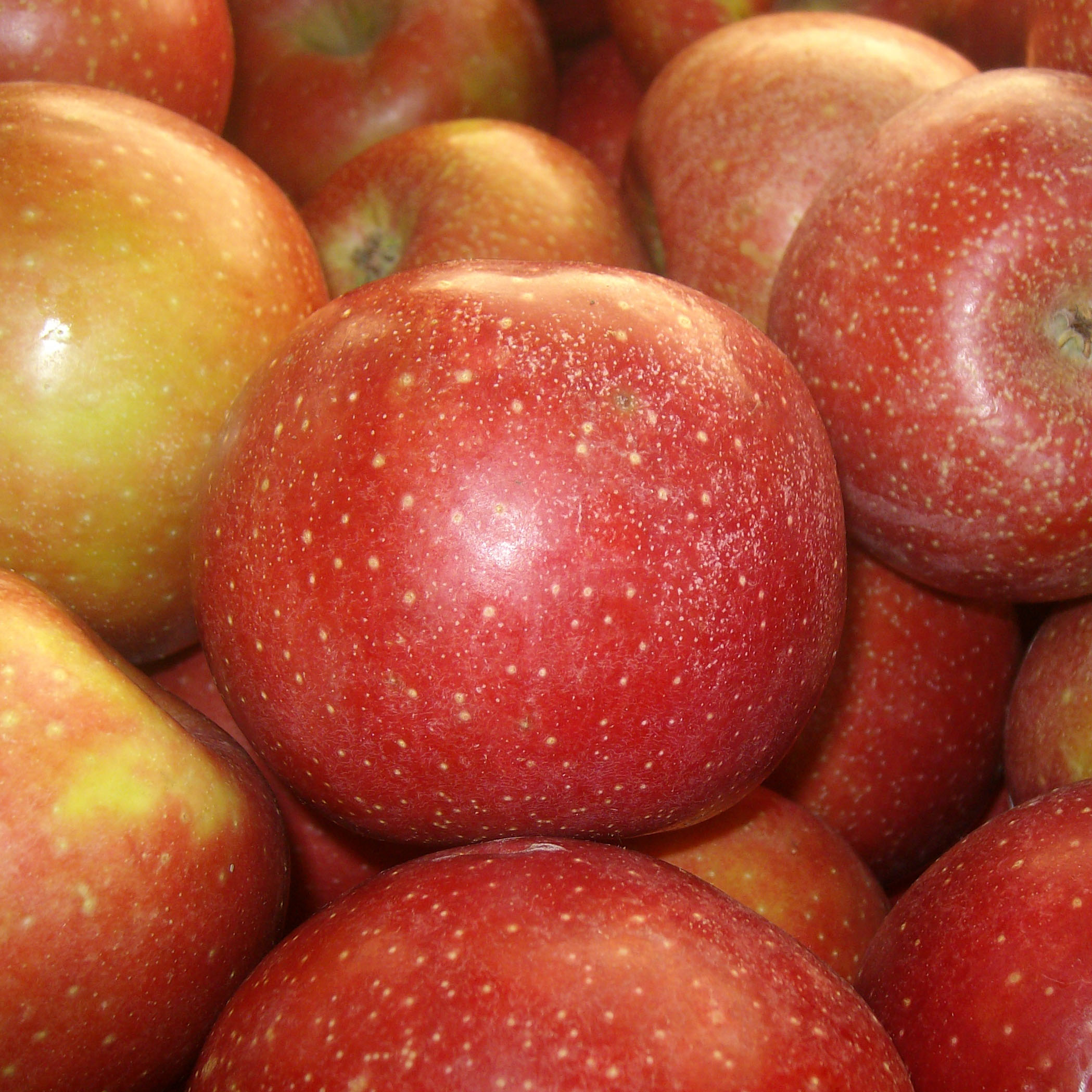
File:Red Delicious apples.jpg
red delicious  Sonita Lewis
Wikimedia.org
.....

Why American Apples Just Got Banned in Europe

| Wed Apr. 23, 2014 9:01 PM PDT

Back in 2008, European Food Safety Authority began pressing the chemical industry to provide safety information on a substance called diphenylamine, or DPA. Widely applied to apples after harvest, DPA prevents "storage scald"—brown spots that "becomes a concern when fruit is stored for several months," according to Washington State University, reporting from the heartland of industrial-scale apple production.
DPA isn't believed to be harmful on its own. But it has the potential to break down into a family of carcinogens called nitrosamines—not something you want to find on your daily apple. And that's why European food safety regulators wanted more information on it. The industry came back with just "one study that detected three unknown chemicals on DPA-treated apples, but it could not determine if any of these chemicals, apparently formed when the DPA broke down, were nitrosamines," Environmental Working Group shows in an important new report. (The EFSA was concerned that DPA could decay into nitrosamines under contact with nitrogen, a ubiquitous element, EWG notes.) Unsatisfied with the response, the EFSA banned use of DPA on apples in 2012. And in March, the agency then slashed the tolerable level of DPA on imported apples to 0.1 parts per million, EWG reports.

Read More Here

.....

Most apples in the US drenched with chemical banned in Europe

Published time: April 24, 2014 23:06


AFP Photo / Remy Gabalda
A chemical used on most non-organic American apples that preserves the fruit’s color after harvest was banned by the European Union in 2012 because its makers could not prove it did not put human health at risk, according to a new study.
The US Department of Agriculture (USDA) found in 2010 that 80 percent of apples harvested in the United States are coated with diphenylamine, or DPA, a “growth regulator” that works to stave off darkening of the fruit’s skin during months of cold storage.
DPA, regulated as a pesticide, has been used in the US since 1962. The USDA has reported that DPA residue is found more often and at greater concentrations that most other pesticide residues. The chemical has been detected in apple juice and applesauce, as well as pears and pear baby food. In fact, the USDA has consistently found that apples are one of the most pesticide-treated products in the American produce market.
Beginning in 2008, the EU’s European Commission asked European producers of DPA to prove nitrosamines – a family of powerful carcinogens – and other harmful substances would not develop from a mixture of DPA and nitrogen, a common element in the environment. The Commission was interested in whether those formations occurred when containers of DPA sat unattended, when DPA was used to treat fruit for storage, or when DPA-doused fruit was made into juices, purees, and sauces.

Read More Here

.....
Enhanced by Zemanta

Monday, April 28, 2014

Right now Over 250 million Americans are addicted to 'food drugs' and not even aware that our food supply has in excess of 70,000 different chemicals allowed by the FDA.


Over 250 million Americans are addicted to 'food drugs' and suffering the consequences

Monday, April 21, 2014 by: S. D. Wells

food
(NaturalNews) What? -- Food drugs? What on Earth are you talking about? Do you mean "they," as in "Big Food," are putting prescription drugs inside food and drinks? Do you mean that scientists are working in labs right now figuring out how to make humans addicted to certain food additives and agents? Is that what you mean by food drugs? Health enthusiasts everywhere want to know.
The Health Ranger is studying this phenomenon in the Natural News Forensic Food Lab -- using microscopy and other high-tech scientific equipment for measuring chemical levels in foods, including toxic heavy metals like lead, cadmium and aluminum. Do you ever wonder how many chemicals are in foods? Try about 70,000 different ones that are allowed by the FDA! How can you even start to filter them out of your daily intake? That's easy. You just have to prioritize. Start with identifying and eliminating toxic heavy metals and pesticides, the two largest contributors to disease and disorder in the U.S. of A. (http://www.organicconsumers.org)

Junk Science Addicts Galore

What is junk science? Who invests in it? Who is responsible for this insidious development?
(http://www.naturalnews.com)
Why does the Biotech Industry and the late great healthcare scam of Obamacare want you addicted to junk food? What is the big picture and what is the grand connection here? Do they bioengineer aspartame (central nervous system disruptor) and MSG (another CNS disruptor) to make you hungrier and make you gain weight? Yes. They do. And do they bioengineer bug killer and weed killer to ruin your good gut bacteria, your flora? Yes.
How can you become addicted to McDonald's and Taco Bell for life? How are GMO potato chips and HFCS (high fructose corn syrup) subsidized by the Government, and why would they subsidize sickness? These questions and more are all answered, and all you have to do to learn is keep your mind open about your own health.
Over 250 million Americans are addicted right now to FOOD DRUGS and suffering health consequences -- heading directly toward cancer, diabetes, Alzheimer's and arthritis. Let's face it, Big Food invests mainly in one area, and that is Big Pharma. Conventional food (90% of all food) is processed and cooked DEAD and then labeled as "fortified" to fool the public that it contains any nutritional value at all, when it doesn't.
Plus, since about 1990, the holiness of natural food has been devastated by genetic modification -- to contain weed killer and bug killer, so on top of being dead food, for two decades it has been contaminated with poison on the inside. The seeds and plants now contain chemicals that kill pests, and guess what the human beings are who consume them? -- Dying "pests!" Ca-ching! -- Big money for the pink-ribbon-washing cancer-industrial complex. Don't be a fool. Stop getting fooled. It's okay to admit when you are wrong. Go on, open the doors of your pantry and look. Open that refrigerator and freezer. Open your medicine cabinet. It's time to throw away everything that Big Food and Big Pharma have "sold you" through false advertising and marketing schemes.

Read More Here
Enhanced by Zemanta

5 toxins to be especially concerned about. and how they are destroying our bodies


The 5 most prevalent toxins destroying the body

Tuesday, April 22, 2014 by: Derek Henry
5
(NaturalNews) With thousands of toxins circulating in the world it can be very easy to become overwhelmed. Formerly nutritious foods have been denatured to the point that they have very little benefit, and air and water have become dangerously polluted. These are 5 toxins to be especially concerned about.

Heavy metals

Heavy metals are not something that people should normally concern themselves about with regards to food, air, water, and personal care products. Unfortunately, that is not the current situation.
Common exposure points to heavy metals include seafood, dental amalgams, vaccinations, personal care products, pots and pans, baking powder, smoke, paint, water, work sites, and chem trails.
These deadly toxins can immediately wreak havoc, causing chronic pain, fatigue, brain fog, gastrointestinal problems, allergies, headaches, depression, skin problems, insomnia, paralysis, and more.

GMOs

Genetically modified organisms (GMOs) are foods that have been created by gene-splicing vegetable seedlings with poisonous pesticides, herbicides, and bacteria so plants are inherently protected from pests that may try to damage them.
With 85 percent of all corn, soy, and canola oil being GMO and the fact that they are some of the most heavily consumed food products on the planet, people find themselves with a major problem. Add in sugar beets, cotton, and other popular grains which may be contaminated or are on the agenda to become GMO (wheat, rice), and there is a nutritional apocalypse in the making.
As a result of this engineered process, consumers are essentially consuming toxic seeds laced with chemicals that are known to mutate cells of the body, resulting in tumors and other forms of cancer.

Radiation

There are a few forms of radiation, but the most deadly that are currently polluting the planet are cesium-137 and electromagnetic radiation.

Read More Here
Enhanced by Zemanta

Friday, April 25, 2014

Denmark's Aarhus University Scientific investigations show that genetically modified soy feed, which is doused with glyphosate, has negative effects on mammalian health.

Roundup herbicide's health risks recognized by Danish scientists

Tuesday, April 22, 2014 by: L.J. Devon, Staff Writer

glyphosate
(NaturalNews) Monsanto's Roundup is coming under fire in Denmark as scientists awake to its effect on enzymes activities and the gastrointestinal health of mammals. Danish scientists are calling out for further investigation of the weed killer and other glyphosate-containing pesticides. Citing glyphosate's potential for abuse on the health of livestock, the scientists report that the chemical is most dangerous during a mammal's sensitive life stages.
Likewise, the weed killer has been proven to inhibit specific enzyme pathways in the guts of mammals -- enzymes that play an important role in allowing the body to detoxify naturally.

Danish scientists recognize that glyphosate affects livestock at sensitive life stages

Current health assessments of livestock in Denmark show that genetically modified soy feed, which is doused with glyphosate, has negative effects on mammalian health. Scientists from Denmark's Aarhus University investigated various farmer reports at the request of the Danish farm minister.
One of the scientists, Martin Tang Sorensen, hit the ground running, reviewing study after study identifying the risks that glyphosate poses to livestock health. Evidence pointed out that glyphosate impacts livestock the most during sensitive phases of the animal's life.
Two hypotheses were studied and were of great concern to the researchers. The first investigated glyphosate's damaging effect on the microorganisms in an animal's gastrointestinal system. The second studied an animal's mineral status as a secondary effect of glyphosate exposure.

Glyphosate disrupts good bacteria in the gastrointestinal tract, leaving livestock more prone to infections

For cattle and poultry, glyphosate disrupts the natural "good" bacteria balance in the gut. This is evidenced by the recent uptick of Clostridium botulinum infections in cattle. In the past ten years in Germany, botulism infections have increased dramatically, showing how a diminished gastrointestinal tract favors the growth of infectious disease. For example, salmonella and clostridium were found to be highly resistant to glyphosate. At the same time, beneficial bacteria such as Enterococcus, Bacillus and Lactobacillus were found to be most susceptible, destroyed in the presence of glyphosate. Without enough good bacteria, the gut of the livestock becomes a nest for disease to replicate.

Read More Here

.....

Farm Wars

GM Soy Linked to Illnesses in Farm Pigs
Dr Eva Sirinathsinghji
Institute of Science in Society
Danish Farmer Reverses Illnesses in pigs by reverting to a GM-free diet for his animals, which is yet further evidence for the toxicity of glyphosate tolerant GM crops Dr Eva Sirinathsinghji
A Danish farmer has gained huge public recognition for publishing his simple method for ridding his pigs of illness- removing genetically modified (GM) ingredients from their diet.
Published in the farming magazine Effektivt Landbrug on 13 April 2012 [1], the farmer Ib Borup Perderson describes how his pigs suffered from symptoms including chronic diarrhoea, birth defects, reproductive problems, reduced appetite, bloating, stomach ulcers, weaker and smaller piglets, and reduced litter sizes. This was not just a problem for the animals themselves but also the profitability of the farm, with fewer healthy animals, mounting costs of medicines and added labour costs.
After researching the health hazards of GM foods and associated herbicides, Pederson decided to stop feeding his 450 sows with GM soybean, replacing them with fishmeal and non-GM soybean instead. He began to notice health benefits after two days of a GM-free diet. The farmer’s account has since been published in an English dossier compiled by scientist Brian John of GM-free Cymru (Wales), with collaboration from Pederson, published online by GM Watch [2].
This finding adds to the continual flow of new evidence appearing in peer-reviewed scientific studies, farmers’ reports and witness accounts of the devastating health impacts of glyphosate-based herbicides and the associated GM crops modified to tolerate it. Birth defects from glyphosate exposure were detected in the 1980s in lab animals performed by Monsanto (see [3] EU Regulators and Monsanto Exposed for Hiding Glyphosate Toxicity, SiS 51, [4] Lab Study Establishes Glyphosate Link to Birth Defects, SiS 48, 5 Glyphosate Kills Rat Testes Cells, SiS 54).  Residents of heavy agrochemical-use zones in Argentina have seen startling increases in birth defects, adult and human cancer rates as well as other illnesses (see [6] Argentina’s Roundup Human Tragedy, SiS 48, [7] Pesticide Illnesses and GM Soybeans, SiS 53). Argentinian tobacco farmers have recently filed a lawsuit against Monsanto for birth defects suffered by their children following claims by the corporation that the chemical was safe to use [8]. Animal feeding studies have shown GM soya feed to cause sterility, stunting and death in rats (see [9] GM Soya Fed Rats: Stunted, Dead, or Sterile, SiS 33). This is also not the first time that livestock illness including reproductive problems has been linked to glyphosate-tolerant crop derived feed. Professor Emeritus Don Huber of Perdue University, a senior scientist of USDA (US Department of Agriculture) has been studying crop health for over 20 years, and warned how reduced mineral content of glyphosate-tolerant crops lead to nutritional deficiencies in livestock that in turn cause reproductive problems (see [10] USDA Scientist Reveals All, SiS 53). Reduced mineral content in crops results from glyphosate’s metal chelating properties, rendering essential minerals unavailable. Nutrient deficiency effects are independent of direct glyphosate toxicity that causes endocrine disruption, birth defects and cancers among other illnesses.  The identification of a novel pathogen in glyphosate-treated crops, reproductive organs of livestock as well as aborted foetal tissue may also be a contributing factor (see [11]Emergency! Pathogen New to Science Found in Roundup Ready GM Crops?,SiS50).
Improvements in health with GMO-free diet
The dossier [2] presents following effects since removing GM produce from the pigs’ diets, as described by Pederson:
1. Within 2 days, diarrhoea virtually disappeared in the farrowing house, whereas before, 50-100 ml Borgal / day [an antibacterial drug] had to be used.
2. Since switching, there had been no death from bloat in sows or death by ulcers, as opposed to minimum 1 per month previously (36 sows died due to stomach related sickness over the last two years before switching).
3. No sows have died through loss of appetite, whereas 2 sows died from this cause last year.
4. Even without washing between farrowings, diarrhoea does not reappear; previously failing to wash between sows would result in more diarrhoea.
5. Previously the farmer had struggled with diarrhoea in first layer sows, no more problems there.
6. Two years ago when the diarrhoea was as its worst, there were months with nearly 30% dead in the farrowing house. At that time it was impossible to find sows that could nurse piglets.
7. Before it was unusual to have a sow with 13 piglets weaned. The average was about 10.5 per sow plus spare mothers. Now the farmer is getting over 12 piglets on average weaned and 14 piglets weaned per sow is common. There are fewer nursing sows, simply because the sows are milking better and eating more.

Read More Here

.....
Deformities, Sickness and Livestock Death

The Real Cost of GM Animal Feed?

by ANDREW WASLEY
At first glance the frozen bundles could be mistaken for conventional joints of meat. But as Ib Pedersen, a Danish pig farmer, lifts them carefully out of the freezer it becomes apparent they are in fact whole piglets – some horribly deformed, with growths or other abnormalities, others stunted.
This is the result, Pedersen claims, of feeding the animals a diet containing genetically modified (GM) ingredients. Or more specifically, he believes, feed made from GM soya and sprayed with the controversial herbicide glyphosate.
Pedersen, who produces 13,000 pigs a year and supplies Europe’s largest pork company Danish Crown, says he became so alarmed at the apparent levels of deformity, sickness, deaths, and poor productivity he was witnessing in his animals that he decided to experiment by changing their diet from GM to non-GM feed.
piglet
Danish pig farmer Ib Pedersen is convinced that GM animal feed, and the glyphosate herbicide in particular, is responsible for deformities and other defects in pigs
The results, he says, were remarkable: ”When using GM feed I saw symptoms of bloat, stomach ulcers, high rates of diarrhoea, pigs born with the deformities … but when I switched [to non GM feed] these problems went away, some within a matter of days.”
The farmer says that not only has the switch in diet improved the visible health of the pigs, it has made the farm more profitable, with less medicine use and higher productivity. “Less abortions, more piglets born in each litter, and breeding animals living longer.” He also maintains that man hours have been reduced, with less cleaning needed and fewer complications with the animals.
Inside the farmhouse, piles of paperwork are laid out across a vast table; print outs, reports, statistics, scientific research, correspondence. Pedersen shows me photos he says are of animals adversely affected by the GM feed – there’s more piglets with spinal deformities, their back legs dragging on the ground; others have visible problems with their faces, limbs or tails. There’s even a siamese twin – two animals joined at the head.
Pedersen believes these abnormalities, and the other problems, were caused – at least in part – by the presence of the herbicide glyphosate in his GM pig feed. Glyphosate is routinely sprayed on many soya and cereal crops to kill weeds and maximise yields.
Although it is used on conventional crops, its usage on GM soya and maize is particularly prevalent as the crops are engineered to be resistant to the chemical, killing the weeds but leaving the crop plants unaffected.
The introduction of GM crops resistant to glyphosate allowed crops to be sprayed with the herbicide to control weeds – often many times over a growing season – without killing the crop. But this also led to much higher levels of glyphosate in the plants and seeds.
After glyphosate-resistant strains of soy were introduced in 1996, EU regulators raised the allowed maximum residue limit (MRL) for glyphosate in imported soy 200-fold, from 0.1 mg/kg to 20 mg/kg.
Glyphosate use has become increasingly controversial in recent years, with a growing body of research, say campaigners, suggesting that exposure, even at low levels, can be harmful to animals and humans.
Studies have also suggested, claim critics, that the herbicide may disrupt the human endocrine system, which regulates the body’s biological processes, meaning that any level of exposure could pose a significant risk to health.
Such claims are vigorously refuted by the agro-chemical industry, who state the herbicide is safe and who accuse campaigners of touting flawed research, or manipulating the findings to suit their own agenda.
Pedersen claims that independent testing revealed all of his deformed pigs had glyphosate in their organs. He shows me a chart he suggests shows a clear correlation between the volume of glyphosate found in pig feed and higher numbers of cranial and spinal deformities. “The more glyphosate, the more deformities,” he says, bluntly.
Outside, along a muddy track through a number of arable fields – in addition to pigs, Pedersen produces strawberries, peas and potatoes – we come to the main pig house. It’s vast and crowded, efficient and noisy, with the unmistakable stink of pig waste. A factory farm.
Pedersen shows me the farrowing crates, the large bodies of the nursing sows squeezed under metal bars, surrounded by up to a dozen weaning piglets. He points out his best animals – the most productive, the veterans – and stops to check on those he has concerns about, examining a swollen joint here or an inflamed nipple there. Antibiotics are administered to one.
In the main hall the pigs move more freely, as they do in a series of smaller rooms where younger animals are kept as they grow. The farmer manually throws down handfuls of sandy-looking feed to supplement that available in the conical feed troughs. The feed mix, he explains, contains soya, fishmeal and other ingredients – but nothing of GM origin.
Pederson admits his work isn’t scientific but says the results should alarm people. He’s worried that many farmers have no idea of the potential impact of GM feed, and that the same is true for consumers: when using GM feed, he says, “Everything was down in the quagmire … We had eleven pigs die in one day.”
Deformities and deaths “the new normal”
The farmer’s research, and outspoken stance, provoked a storm of controversy in Danish agricultural circles after the respected farming publication Effektivt Landbrug featured the story, interviewing Pedersen in detail and referring to the pig farmers’ suggestion that DDT and thalidomide – linked to deformities in up to 10,000 babies – could be regarded as trivial compared to the potential risks from GM and glyphosate.
Critics accused him of scaremongering and slammed the findings as unscientific and “without merit” – pointing out that if the claims were true, thousands of other farmers using GM feed would be recording similar problems.
Despite this, Pedersen’s work has prompted the Danish Pig Research Centre (VSP) to announce an in-depth study to test the effects of GM and non-GM soya on animal health. The findings of the research have yet to be published.
And Pedersen’s findings are beginning to spread well beyond Denmark; earlier this month the German television channel ARD broadcast a documentary featuring the farmer’s claims, and Pedersen himself recently travelled to the UK to address a packed symposium at the House of Commons, organised by the All-Party Parliamentary Group On Agroecology.
Anti-GM campaigners say the findings are particularly compelling as the observations were made in a real farm setting, not a laboratory. Claire Robinson of GM Watch told The Ecologist.


Read More Here

.....
Enhanced by Zemanta