Showing posts with label Nutrition. Show all posts

Monday, December 21, 2015

A diet rich in clean foods can help reduce inflammation and its harmful effects on your body.

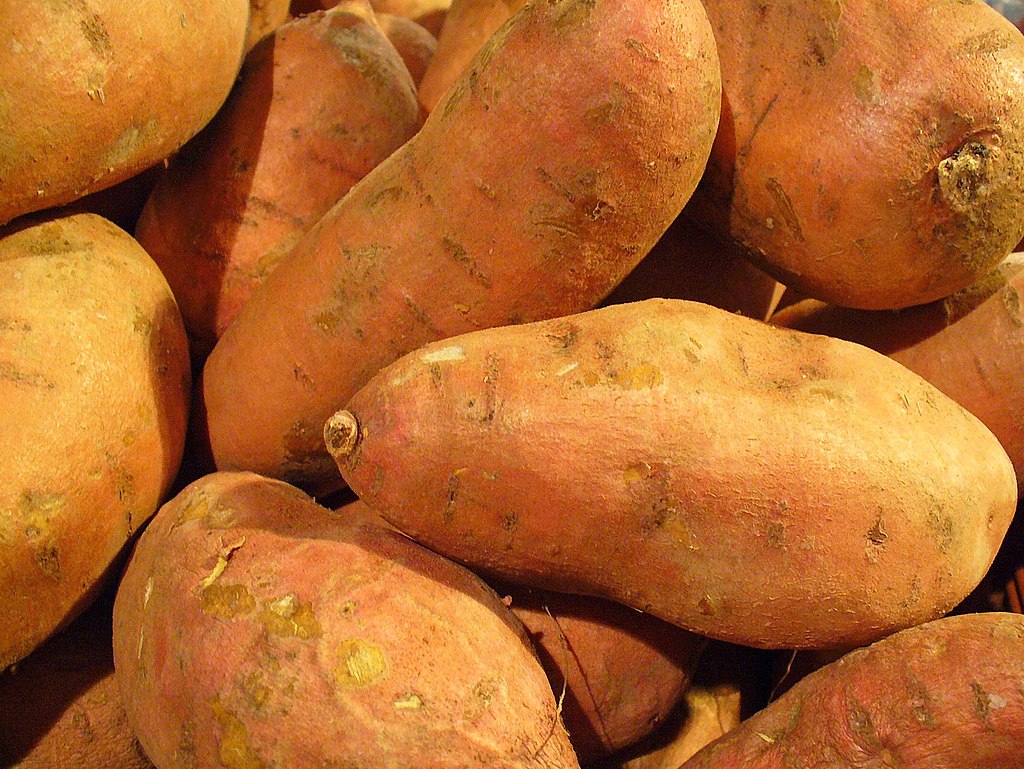
Ipomoea batatas 006.JPG
Ipomoea batatas, Convolvulaceae, Sweet Potato, storage roots; Karlsruhe, Germany. The plant is used in homeopathy as remedy: Ipomoea batatas (Ipom-b.)
Wikimedia.org     Llez  
..........................................................................................


Home


6 Anti-Inflammatory Powerhouses

Clean eating can put out the fire that's making you sick.

August 24, 2015


Chronic inflammation has been associated with an increased risk of arthritis, diabetes, heart disease, high blood pressure, osteoporosis, and cancer. Sure, some inflammation is good—like the acute kind is a form of self-protection, your body's immune response to a cut or pathogens entering the body. Chronic inflammation, however, means that your body is constantly producing immune cells, which can damage the body. This harmful inflammation is a result of never-ending stress, being overweight, or a diet high in things like sugar, trans fats, and various toxins.

But while the wrong diet promotes excessive inflammation, a diet rich in clean foods can help reduce it and its harmful effects on your body. The following foods in particular are anti-inflammatory powerhouses:
Spices and Herbs
 
Herbs and spices like basil, rosemary, thyme, oregano, turmeric, peppercorns, ginger, and cinnamon are loaded with all sorts of antioxidants that have even been found to reduce pro-inflammatory compounds that build up on meat during grilling. And ginger and turmeric, in particular, have been linked to joint pain relief. Add them to marinades, dressings, spice rubs, and teas for a dose of health and flavor.

Soy
 
Soy can reduce the inflammation marker C-reactive protein, which is linked to cardiovascular disease. Incorporate clean sources of soy into your diet, such as tempeh or edamame.
Try It: Eating clean has never been tastier or easier!


Read More Here


.................................

Herbs and Spices
File:Spices, seasonings, herbs and vegetables.jpg
Spices, seasoning, herbs and vegetables
Zak Greant from Vancouver, Canada   Wikimedia.org
.....................................................................
Cold Water Fish
File:Essaouira, Fish Market.JPG
Essaouira,_Fish_Market   Attribution: Donar Reiskoffer    Wikimedia.org
................................................................................................
Walnuts
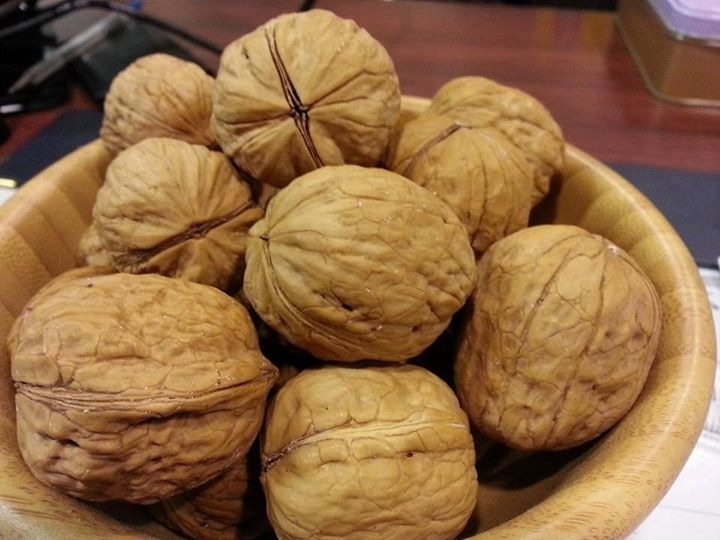
Nueces y cascanueces.jpg
Boca Dorada - Nueces     Wikimedia.org
.......................................................................................................
Teas
File:Colorful Spices and Teas.jpg
Colorful Spices and TeasChristopher from Shanghai, China   Wikimedia.org
........................................................................................................
See how these inflammation busting foods can help you here

Sunday, December 13, 2015

How Zinc Deficiency Affects The Whole Body


Read More Here

For just pennies a day Flaxseed may protect against dozens of life-threatening health conditions.


70 Reasons To Eat More Flaxseed

70 Reasons To Eat More Flaxseed

The science has never been clearer: flaxseed deserves to be top of the list of the world's most powerful medicinal foods. For just pennies a day it may protect against dozens of life-threatening health conditions. 


Many of us have been enculturated to think about the nutritional dimension of our food intake in terms of the government's recommended daily allowances (RDAs), focusing on getting the "right" amounts of carbohydrate, proteins, fats, vitamins, and minerals. However, I believe this focus on the quantifiable dimensions of food versus the qualitative elements has profoundly lead us astray. We bear witness to this in the fact that Americans are some of the most overfed yet simultaneously malnourished people on the planet. It is no wonder that we we are dying by the droves, with heart disease and cancer representing the most common (and also most preventable) causes of premature death.

What if there was a nutrient-packed super-food which costs pennies a day that can greatly reduce the risk of dying not only these, but dozens of other life-threatening conditions? Would you take it? The good news is there already is: welcome to the amazing nutritional/medicinal potential of flaxseed!

70 Reasons To Consume Flaxseed Daily

Admittedly, the title of this article is a bit over the top. Wouldn't five good reasons, or even just one good reason be enough to consume it more regularly? After all, think of the millions of people around the world who take aspirin daily only because it promises to reduce the risk for one condition: namely, prevention of heart attack. A practice, incidentally, that is dubious at best, and for which natural and likely far safer and effective alternatives may exist. If we can establish the preventive value of flaxseed in only one serious condition, perhaps this alone would be compelling enough to convince our readers to start incorporating it into their daily dietary regimen. However, for those nutrition geeks out there who like to read the first-hand research, here's our flaxseed database page, wherein you will find all the abstracts we have gathered on the topic of this seed's immense potential in preventing and/or treating up to 70 different health conditions.


Read More Here

Saturday, December 12, 2015

DuPont and Dow Chemical—announce plans to merge into a $130 billion giant, taking us one giant step closer to a total monopoly on our food suppy


Home
Published on
by

The DuPont and Dow Chemical Merger: Bad Deal for People and the Planet

Groups are calling on the Department of Justice to reject the deal to protect food supply
 
 
"Just a handful of large chemical companies including Dow and DuPont already control most of the seed supply used to grow crops like corn and soybeans, as well as the herbicides that genetically engineered seeds are designed to be grown with," said Wenonah Hauter of Food & Water Watch. (Photo: Desmanthus4food/Wikimedia/cc)


"Just a handful of large chemical companies including Dow and DuPont already control most of the seed supply used to grow crops like corn and soybeans, as well as the herbicides that genetically engineered seeds are designed to be grown with," said Wenonah Hauter of Food & Water Watch. (Photo: Desmanthus4food/Wikimedia/cc)


Watchdog groups are sounding the alarm after two of the oldest and largest corporations in the United States—DuPont and Dow Chemical—announced Friday plans to merge into a $130 billion giant, thereby establishing the world's biggest seed and pesticide conglomerate.

The new behemoth, named DowDuPont, would then be split into "three independent, publicly traded companies through tax-free spin-offs," according to a joint corporate statement marking one of the the largest deals of 2015.

These companies would focus on agriculture, material science, and "technology and innovation-driven Specialty Products company," the statement continues. Together, they would form the second-largest chemical company world-wide.

The merger, if it goes through, is expected to slash numerous jobs.

And it would expand the influence of two Big Ag players, with the combined venture retaining control over "17 percent of global pesticide sales and about 40 percent of America’s corn-seed and soybean markets," according to the calculations of Washington Post analysts.

Rights groups warn that this large share would be very bad for people and the planet—and called on the Department of Justice to block the merger.


"The Department of Justice needs to block this merger to prevent the further corporate control of the basic building blocks of the food supply."

—Wenonah Hauter, Food & Water Watch


"Just a handful of large chemical companies including Dow and DuPont already control most of the seed supply used to grow crops like corn and soybeans, as well as the herbicides that genetically engineered seeds are designed to be grown with," said Wenonah Hauter, executive director of advocacy organization Food & Water Watch, in a statement released Friday.

"Any merger that consolidates this market into fewer hands will give farmers fewer choices and put them at even more economic disadvantage," Hauter continued. "And it will make it harder for agriculture to get off the GMO-chemical treadmill that just keeps increasing in speed. The Department of Justice needs to block this merger to prevent the further corporate control of the basic building blocks of the food supply."

According to the New York Times, "Despite the eventual breakup, the deal would undergo rigorous antitrust scrutiny for all three companies, particularly the agricultural chemicals company."
Diana Moss, president of the American Antitrust Institute, confirmed Friday that "any merger on the agricultural inputs side of DuPont and Dow will get antitrust scrutiny."

Nonetheless, watchdog groups warn that the merger announcement is a bad sign, in an industry that has already undergone dramatic consolidation.

"Some of the markets for biotech and seeds are highly concentrated, which has been driven by Monsanto having made so many acquisitions in the past. If you put a new merger in the this mix, it's going to raise concerns about leaving only two or maybe three firms," Moss explained. "Farmers could be squeezed even more and consumers could pay higher prices."

Robert Reich, University of California at Berkeley professor and former Secretary of Labor, took to social media to warn that the merger would result in greater political power for the corporation, as well as "higher prices for you for food and a variety of other products."

"Crop prices continue to drop, so the only way these giant companies can increase earnings is by increasing their market power to raise prices (Monsanto is also on the prowl to buy a Big Ag or chemical company)," Reich continued. "That means more of your paycheck will be going to them, directly or indirectly."

......................................................................................................

Tuesday, December 8, 2015

Home-delivered meals reduce feelings of loneliness among seniors


Published: Tuesday 8 December 2015 at 3am PST


Homebound seniors who have home-delivered meals report significantly less loneliness than those who do not, according to a study published in Journals of Gerontology, Series B.
 
 
Senior man receives home delivered meal from female visitor
 
There was a significant reduction in self-reported feelings of loneliness among homebound seniors who had home-delivered meals, compared with those who did not.
Image credit: Michael Cohea/Brown University
 
The pressure to cut costs brings with it the possibility of overlooking the less tangible benefits when seeking alternative models in the provision of a public service.

Nutrition service providers are no exception, and the new study - conducted as a randomized, controlled trial - shows that home-delivered meals do more than nourish physical well-being; they also have a positive emotional effect in the lives of older people who are stuck at home.

It appears that the regular knock on the door, with the opportunity to exchange some friendly words with the person delivering the meal, goes a long way to reducing feelings of loneliness in older people in need.

Lead author Kali Thomas, assistant professor (research) of health services, policy and practice at Brown University School of Public Health in Providence, RI, says:
"This continues to build the body of evidence that home-delivered meals provide more than nutrition and food security."

Prof. Thomas, a former volunteer for Meals on Wheels, believes the study is one of only a few that has rigorously examined the long-presumed psychological benefits of home-delivered meal service. It is certainly the first randomized, controlled trial to measure the effect on loneliness, she notes.

Many participants socially isolated

The trial participants were 626 older adults from eight American cities who were on waiting lists to receive Meals on Wheels. They were randomly assigned to three groups.

In one group, the participants received a daily fresh meal, in another they received a weekly delivery of frozen meals, and in the third group they remained on the waiting list - this was the control group.
The trial ran for 15 weeks. All participants were interviewed at the start and end of the period.


Read More Here

Monday, December 7, 2015

The Lymphatic System: How to Make It Strong & Effective


Dr. Axe

Food is Medicine


Lymphatic system - Dr. Axe


What is the lymphatic system? It’s a critical part of the immune system, vital for protecting us from illness and damaging, disease-causing inflammation. Essentially, the lymphatic system is the the body’s inner “drainage system,” a network of blood vessels and lymph nodes that carry fluids from tissues around the body into the blood and vice versa.

The lymphatic system has the primary role of protecting the body against outside threats — such as infections, bacteria and cancer cells — while helping keep fluid levels in balance

The best way to protect the complex series of criss-crossing lymphatic vessels and “nodes” that span almost the entire body (every one except for the central nervous system) is to eat a healing diet, exercise and take steps to detoxify the body naturally.


Lymphatic vessels carry fluid that is managed through “valves,” which stop fluid from traveling the wrong way, similar to how blood flow works within the arteries and veins. In fact, the lymphatic system is very similar to the circulatory system made up of branches of veins, arteries and capillaries — both bring essential fluids around the whole body and are vital for keeping us alive.


Read More Here

Sunday, December 6, 2015

Adrenal fatigue is estimated to affect around 80 percent of people in the world. Here are 3 steps to help heal adrenal fatigue.


Dr Axe

Food is Medicine

Heal Adrenal Fatigue Title

It’s hard to believe, but adrenal fatigue is estimated to affect around 80 percent of people in the world! According to James Wilson (author of “Adrenal Fatigue: The 21st Century Stress Syndrome“), chronic stress and lifestyle affect the body’s ability to recuperate from physical, mental or emotional stress.

In fact, whether for a short time or a chronic condition, most people struggle with adrenal fatigue at some point in their lives. Symptoms include:

  • body aches
  • trouble concentrating
  • racing thoughts
  • moodiness and irritability
  • always tired
  • feeling overwhelmed
  • hormone imbalance
  • cravings for sweet and salty foods
These symptoms can be indicative of a few different disorders and are often overlooked by doctors, but more and more people are starting to realize that a combination of these could indicate the onset of adrenal fatigue, also known as adrenal insufficiency.

And if you have adrenal fatigue, it can also be a major cause of excess fat storage and low energy levels. So, let’s talk about exactly what your adrenal glands do and how you can heal adrenal fatigue in three simple steps.


Your Amazing Adrenal Glands

adrenal glands above kidneys
.....

Read More Here

7 Herbs and Spices Everyone Needs To Eat. Spices are important for both health reasons and great flavor.


Home
File:Wiberg Gewürze2.jpg
Ppsw   Wikimedia.org
.........................................................................................................

7 Herbs & Spices Everyone Needs To Eat

Variety is the spice of life. Or maybe spice is the variety of life? Spices are important for both health reasons and great flavor. So you get a picture of how potent they are, think about this: Just a half teaspoon of ground cinnamon has as many antioxidants as a half cup blueberries, and a half teaspoon dried oregano has the antioxidant power of 3 cups of raw spinach.

So below, in order of most beneficial, are the top bulletproof herbs and spices.
Turmeric 

Turmeric is the king of all spices. Ounce for ounce, it's the most anti-inflammatory, antiviral, antibacterial, anticancer, antifungal one of the bunch, so you should eat it as much as possible when you're becoming Bulletproof.

In Ayurveda and Traditional Chinese Medicine, it's used to treat everything from diabetes and allergies to Alzheimer's and arthritis. Turmeric's active ingredient is curcumin, an antioxidant compound that reduces inflammation and also gives it its vibrant yellow color. (Beware getting turmeric on anything white; it stains.) Curcumin has actually been shown to reduce growth in cancer cells, and if there's any good reason to eat a spice, I'd say that's it. Turmeric also contains other anti-inflammatory compounds that inhibit swelling and pain and block the plaques that cause Alzheimer's disease.

So the takeaway is? Eat more turmeric. Add it to salad dressings, meat and fish marinades, or even turmeric infused tea, latte, or lemonade. It's surprisingly tasty.


Chile Peppers And Cayenne
 
Cayenne's active ingredient is capsaicin, which delivers both a chile pepper's medicinal qualities and its spicy heat. The hotter a pepper, the more capsaicin it has. In addition to a long history of medicinal uses in India and China, Native American healers favored cayenne for digestive and circulatory problems. For all its good benefits though, there are some negative aspects of capsaicin. Like black pepper, cayenne is highly likely to have high amounts of mold toxins, so proper sourcing and storage is really key.


Read More Here

Tuesday, December 1, 2015

Iodine deficiency linked to thyroid and breast cancer, fibrocystic breast disease, infertility, obesity, mental retardation & halide toxemia


http://www.alphaomegalabs.com/store/media/catalog/product/cache/2/image/9df78eab33525d08d6e5fb8d27136e95/7/-/7-percent-concentrate-lugols-iodine.jpg
Lugol's Iodine Solution
...............................................

Allergy and Nutrition Clinic

Laura Power, PhD, LDN

.....
Summary by Laura Power, PhD, LDN
© August, 2006
Based on research of: Guy Abraham, MD, David Brownstein, MD, and Linnette Beck

 
There is an epidemic of Iodine deficiency in this country - one that affects every man, woman and child - and especially vegetarians. Over the last 30 years our Iodine intake has declined 50% (removed from our food supply!), while the ingestion of toxic competing halogens (bromine, fluorine, chlorine, perchlorate) has dramatically increased in food, water, medicines and the environment. [For example: Iodine in wheat has been replaced with Bromine, the gas used to fumigate your house for termites!] Simultaneously there has been a related increase in the rates of thyroid disease, breast cancer, fibrocystic breast disease, prostate cancer, and obesity -- plus developmental delays and mental retardation in children! Meanwhile in Japan Iodine intake is up to 100 times higher, while all of these same diseases are significantly lower!
Symptoms of Iodine or thyroid deficiency 

Do you have any of these symptoms? Brittle nails, cold hands and feet, cold intolerance, depression, difficulty swallowing, dry skin, dry hair or hair loss, fatigue, high cholesterol, hoarseness, infertility, lethargy, menstrual irregularities, early menopause, poor memory or concentration, slower heartbeat, throat pain, or weight gain. Or more serious diseases: thyroid dysfunction, fibrocystic breast disease, breast cancer, ovarian cancer, endometrial cancer, or prostate cancer? Does your child have any of these symptoms? Developmental delays (ADD, PDD, LD), mental retardation, or Down's Syndrome. If so, iodine deficiency or hypothyroid could be the cause.

Symptoms of thyroid excess
Symptoms of hyper-thyroid (levels that are too high) include: racing pulse, heart palpitations, and Graves Disease. Graves Disease is an autoimmune condition that reflects toxemia, where a foreign substance binds to TSH receptors, causing the body to make higher and higher amounts of thyroid hormones. It can become life threatening.


Read More Here


..........................................................................


Bembu
Superfoods That Are Super Rich In Iodine

22 Foods Highest in Iodine

Iodine is an essential mineral that’s vital to the proper functioning of the thyroid. The thyroid gland is responsible for managing growth and metabolism. An iodine deficiency can cause symptoms such as fatigue, high cholesterol, lethargy, depression, and swelling of the thyroid gland. Prevent this dangerous deficiency by eating the right amount of iodine rich foods each day.
22 Iodine Rich Foods- this essential mineral is important in maintaining proper thyroid function and metabolic rates.

Baked Potatoes
In order to get the necessary nutrients, baked potatoes are a better option than mashed potatoes. Most of the important dietary staples, such as fiber, vitamins, and potassium are contained in the skin. Baked potatoes are also a great source of iodine; one medium potato provides about 40% of the recommended daily amount of iodine.
Serving Size (1 medium potato), 60 micrograms of iodine (40% DV), 161 calories.
Milk
Milk is usually the beverage of choice for anyone who’s worried about a calcium or Vitamin D deficiency. But milk also contains several other nutrients, including the essential mineral iodine. One cup of milk contains an impressive 56 micrograms of the mineral, or about 37% of what the average person must consume each day.
Serving Size (1 cup), 56 micrograms of iodine (37% DV), 98 calories.
nori
Dried Seaweed
For iodine deficiency, dried seaweed is the go-to remedy because of its incredible supply of this essential mineral. A quarter-ounce serving contains 4,500 micrograms of iodine. That’s way more than enough iodine for the body to absorb in a day (3000% of the daily value, to be exact.) Consume smaller portions over time in order to gain the health benefits.
Serving Size (1/4 ounce), 4,500 micrograms of iodine (3000% DV), 18 calories.
Cod
The meat of the cod fish is mild, moist, and delicious. It’s also low-fat, low-calorie, and packed with several nutrients. A three-ounce serving size of cod provides your body with 99 micrograms of iodine, or 66% of the recommended amount per day. Cod is also a healthy source of protein, calcium, magnesium, potassium, and Vitamin E.
Serving Size (3 ounces), 99 micrograms of iodine (66% DV), 89 calories.


Read More Here

Saturday, November 28, 2015

Research - the weight of evidence indicates that plants and not chemicals are the solution for reversing the global cancer epidemic.


Research: Plants Cure Cancer, Not Chemicals

Plants Are The Cure For Cancer, Not Chemicals

Unbeknownst to most, a Copernican revolution has already taken place in cancer theory. Today, the weight of evidence indicates that plants and not chemicals are the solution for reversing the global cancer epidemic.

Our understanding of what causes cancer has undergone something akin to a Copernican revolution in the past decade. Biological fatalism has been the predominant force in medicine over the past half century, where most conditions including cancer were believed predestined 'in the genes,' and therefore impossible to reverse. Instead of looking for root cause resolution of disease (RCRD), we resigned ourselves to 'finding it early' and in the case of cancer, when doing so (even when it was benign), we waged war against it, quite literally using weapons grade materials (mustard gas- and nuclear materials-derived agents). Now, however, in this post-Genomic era, factors above (epi-) the control of the genes – epigenetic factors – are taking center stage; these include environmental exposures, stress, nutritional factors, and various lifestyle-based variables that are within the ambit of our control and volition, and which are often reversible.

In other words, cancer is now being understood as epigenetic dysfunction, a direct and even adaptive response to the post-industrial, carcinogen-saturated environment, in addition to a diet of faux, mostly chemically-produced 'food,' combining to produce an environment – 'inner terrain--  within the body ideal for cancer promotion.

Indeed, in a new study published in the journal Food and Chemical Toxicology titled, "The use of plant-derived bioactive compounds to target cancer stem cells and modulate tumor microenvironment," the authors note the powerful implications of this new epigenetic view of cancer:
"A fundamental aspect to be taken into account is that epigenetic changes can possibly be reversed by modifying epigenetic factors, such as diet and lifestyle. Nowadays, identification of these factors is crucial to develop epigenetically-based preventions and more effective anti-cancer intervention strategies."
Moreover, they note that natural interventions are once again (after countless millennia of worldwide use), at the cutting edge of medical intervention:
"Virtually, all dietary compounds have the ability to act at the epigenetic level in cancer cells thus influencing the epigenome in a positive or negative way. Particularly, plant derived compounds, such as polyphenols, have the capacity to reverse adverse epigenetic mutations in cancer cells, to inhibit tumorigenesis progression, to prevent the metastatic process or to sensitize cancer cells to chemo and radiotherapy (Vanden Berghe, 2012)."
The new study highlighted the following points, the implications for the future of cancer treatment are truly revolutionary:
  • Cancer stem cells (CSCs) are chemo-radiotherapy resistant, causing tumor relapse.
  • CSCs are known to reside within specific hypoxic and acidic tumor niches.
  • Phytocompounds affect CSC self-renewal, metabolism and microenvironment.
  • Phytocompounds might be exploited for cancer prevention and treatment.


Read More Here

Tuesday, November 24, 2015

The Scientific Advisory Committee on Nutrition is calling for folic acid to be added to bread and flour. A measure that would save hundreds of babies.


Spina Bifida Resource Network

Folic Acid Everyday

Folic Acid Everyday!
home-page-left

Folic Acid Everyday!

How much do you know about Folic Acid? Here is our Folic Acid Top 10.
home-page-right

Find Tasty Recipes!

Find Tasty Recipes! Eat Your Greens and Beans! Foods like leafy greens, broccoli, beans and avocado are high in folate! Here are recipes high in folate.

Facts About Spina Bifida

Spina Bifida is the most common permanently disabling birth defect in the United States. Learn more about Spina Bifida and how to prevent it with our Spina Bifida Fact Sheet.


.....................................................................................................


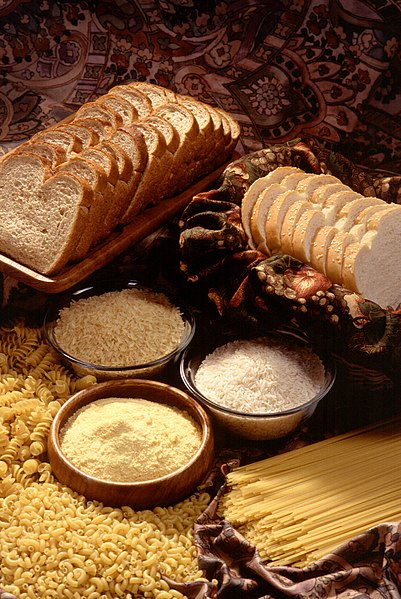
File:GrainProducts.jpg


Scott Bauer - United States Department of Agriculture
Wikimedia.org
..............................................................................................


The Telegraph

Adding folic acid to bread and flour would save hundreds of babies, say health experts

The Scientific Advisory Committee on Nutrition is calling for folic acid to be added to bread and flour

Folic acid should be added to bread and flour to prevent hundreds of babies being born or aborted every year with diseases like spina bifida, health experts have urged.
Although pregnant women have been urged to take folic acid supplements for decades the rates of
neural tube defects - birth defects of the brain, spine or spinal cord – have not fallen.
 
"Implementing advice to add folic acid to flour would reduce the risk of birth defects, such as spina bifida, in pregnancy"
Dr Alison Tedstone, Public Health England
The Food Standards Agency has recommended that folic acid be added to bread and flour, like in the US, but the government has still not acted on the advice.
In research published in the British Medical Journal (BMJ), experts from the Scientific Advisory Committee on Nutrition (SACN), said voluntary measures were failing.

Read More Here

Thursday, November 19, 2015

7 Spices Loaded with Serious Flavor And Health Benefits

...
Care2 Healthy Living


Cayenne pepper really hit its prime in the early aughts. When Giselle Bundchen credited cayenne with helping maintain her slim, Victoria’s Secret-worthy figure, the spice was suddenly stylish.

It’s almost too easy—just a pinch of some magic powder and suddenly you’re a fat-burning machine? Well maybe not a machine, but fiery cayenne does seem to have an effect on increasing the metabolism. It’s well documented that turmeric has anti-inflammatory properties that give Advil a run for its money, and cinnamon is coveted amongst those with metabolic disorders thanks to its blood sugar-lowering effect.

The rest of your spice rack isn’t to be overlooked—there are some superfood seasonings hidden in the pantry that are worthy of a little more love. Put down the salt and start cooking with these spices—your blood pressure, waistline, and tastebuds will thank you.

Paprika
Sweet, spicy, smoky—paprika comes in tons of different flavors and varieties, but it’s always a vibrant brick red. Thanks to its plenitude of antioxidants that impart its quintessential color, paprika is also full of vitamins A and E. Together, they fight free radical damage in the body, but vitamin A also promotes cell growth and recovery, which supports anti-aging.

Fennel
With its distinct taste and smell, fennel is often loved or loathed. If you fall into the latter category, this classic Italian seasoning is worth your adoration—full of phytonutrients, fennel has been proven to have anticancer and anti-inflammatory effects. A special phytonutrient called anethole found in fennel has been linked to slowing the growth of cancer cells and apoptosis, or cell death, in breast cancer cells. Additionally, fennel’s antioxidants can help reverse damage to liver cells… So after a really rough night out, look to this spice to help heal your hangover.

 
Cloves
Especially popular in some of the most beloved holiday foods—gingerbread, hot toddies, and pumpkin pie, to name a few—cloves are a warming and aromatic addition to any dish. Along with their lovely flavor, cloves impart another interesting element to dishes: eugenol. A compound found specifically in clove oil, eugenol is incredibly effective at protecting the body from external toxins found in the environment, like carbon tetrachloride. It’s also a potent natural pesticide, so mixing a little clove oil into your lotion can ward off annoying mosquitos and bugs.

Read More Here

Monday, November 16, 2015

A simple tablespoon daily of coconut oil could promote weight loss and improve cardiovascular health, reveals a new clinical study.


Only 1 TBSP of Coconut Oil Produces Powerful Health Changes, Study Confirms


A simple tablespoon daily of coconut oil could promote weight loss and improve cardiovascular health, reveals a new clinical study. 

A new study titled, "A coconut extra virgin oil-rich diet increases HDL cholesterol and decreases waist circumference and body mass in coronary artery disease patients," holds great promise in those suffering from overweight, obesity, and heightened cardiovascular disease risk, and against which pharmaceutical approaches often fail.

Coconut oil was once considered a "bad fat," as it contains saturated fatty acids which conventional nutritionists did not distinguish from synthetically produced ones such as margarine. We know far better now, and increasingly, natural sources of saturated fats are gaining appreciation as not only "not-bad," but actually beneficial, particularly for the brain. You can check out the first hand literature on coconut's helath benefits on the GreenMedInfo.com database, or read our article, 13 Evidence-Based Health Benefits of Coconut Oil.

The new study evaluated the health effects of a nutritional treatment with extra virgin coconut oil, focusing primarily on how it affects HDL cholesterol and a range of anthropmetric measurements (e.g. body weight, size, circumference).

The average age of the participants was 62.4 ± 7.7 years, with 70% of elderly individuals, and 63.2% of males. All of them were hypertensive and 94.5% had blood lipid profiles indicating "dyslipidemia" and on standard, cholesterol lowering drug treatment.

In the first phase, a three month period, 136 enrollees were put on a standardized diet. From the third month onward, the 116 who completed the first phase were place in two intervention groups: 22 remained on the diet, and 92 were put on the diet + 13 ml (.43 ounces) daily of extra virgin coconut oil, which is equivalent to about 14 grams, or about 1 Tablespoon (15 grams).

The results of the the three-month coconut oil intervention showed that relative to the standard diet, the coconut group saw a decrease in all six of the bodily parameters measured, including:

  • Weight: -.6 kilograms (1.322 pounds)
  • Body Mass Index: - .2 kg/m2
  • Waist Circumference: -2.1 cm
  • Neck Perimeter: -4 cm
  • Systolic Blood Pressure: -3.3 points
  • Diastolic Blood Pressure:  -3.5 points

Read More Here

Wednesday, November 11, 2015

Doctors in China have removed 420 kidney stones from a man's body, blaming an excessive amount of tofu in his daily diet.


Doctors remove 420 kidney stones 'caused by excessive tofu' from patient in China

The operation to remove hundreds of tiny stones took doctors around two hours

The stones removed by doctors
The stones removed by doctors Photo: EuroPics
 
Doctors in China have removed 420 kidney stones from a man's body, blaming an excessive amount of tofu in his daily diet.

Mr He from Zhejiang Province in eastern China, checked into the Dongyang People's Hospital complaining of intense pain in his abdomen last month. A CT scan revealed that his left kidney was packed full of stones, most of them tiny.

Doctors operated on Friday in an agonising procedure that lasted about two hours.

Mr He said he had a history of suffering from kidney stones. Twenty years ago he had 10 stones removed using a procedure called lithotripsy, which sends shock waves to break up stones in the kidney, bladder, or ureter until they are small enough to pass in the urine.

"I have worked as a doctor for 30 years and have never seen so many stones," said Zhou Changchun, the attending surgeon, according to state newspaper Qianjiang Evening Post.

The unusually high number of stones was attributed to the high concentration of gypsum tofu, a popular local food, in Mr He's diet. The tofu contains calcium sulphate, which cannot be expelled from the body without a sufficient intake of water.

Read More Here

Saturday, November 7, 2015

When You Eat Just 5 Walnuts, This Will Happen In 4 Hours

Healthy Food House


https://upload.wikimedia.org/wikipedia/commons/b/b4/HK_nut_%E5%A0%85%E6%9E%9C_Juglans_regia_%E5%90%88%E6%A1%83_Dec-2013.JPG
Boteojoe200       Wikimedia.org
...............................................................................
Walnuts should be part of your regular for they are considered to be a superfood, due to the high content of healthy fats along with the numerous health benefits they provide. These foods comprise anything from almonds and pistachios to peanuts and walnuts.

This article will let you know how walnuts can improve your health in numerous ways. Walnuts are so abundant in various vitamins and minerals, that only a handful of these will suffice until your next meal.

Some of these include the following:
  • antioxidants
  • vitamin E
  • omega-3 fatty acids
  • polyunsaturated fats
  • phenols
As previously stated, walnuts are excellent for your health, as they provide you with a number of health benefits:

Read More Here

...........................................................................................


Read More Here

Thursday, November 5, 2015

Why We’re All Deficient In Magnesium, The Many Signs & What To Do


Collective-EvolutionCollective Evolution


lackvitamins


Signs of magnesium deficiency are everywhere in the United States, if you know what to look for. Unfortunately, the symptoms are so incredibly common that they constantly slip under the radar! Hardly anyone, especially doctors, notice that the ailments we suffer from on a daily basis are actually magnesium deficiency symptoms… and we’re all paying for it.
 
Just about every single person you come into contact with – especially those with a health problem, but even those with only minor complaints – are suffering in some way from this nationwide deficiency. Including you!
 

What Exactly Is Magnesium?


Magnesium is life.

It is the 4th most abundant mineral in the body, right next to sulfur (which is JUST as important).
Along with being a mineral, magnesium is also an electrolyte. “Sports drinks” (aka sugar-filled scams) claim to contain electrolytes such as magnesium, potassium, and sodium because we sweat away these important nutrients during exercise, and their deficiency is what leads to the common problems athletes face, such as muscle cramping! But believe me – electrolytes (especially magnesium) do so much more than treat and prevent muscle cramps.

First off, electrolytes are what allow us to be living, electrical beings. They are responsible for all electrical activity (and thus brain conductivity) in the body. Without electrolytes like magnesium, muscles can’t fire, your heart cannot beat, and your brain doesn’t receive any signals. We need magnesium to stay alive, point blank. As soon as we don’t have enough of it, we start to lose the energy and conductivity that keeps us going. Technically, as soon as we become deficient, we slowly begin to die, getting more aches and pains day by day, feeling worse year after year. I can’t stress it enough… signs of magnesium deficiency are everywhere, if you just look.

Magnesium is a cofactor in over three hundred reactions in the body, necessary for transmission of nerve impulses, temperature regulations, detoxification in the liver, and formation of bones and teeth. However, magnesium shows its true power in cardiovascular health. The Weston A. Price foundation writes, “Magnesium alone can fulfill the role of many common cardiac medications: magnesium inhibits blood clots (like aspirin), thins the blood (like Coumadin), blocks calcium uptake (like calcium channel-blocking durgs such as Procardia) and relaxes blood vessels (like ACE inhibitors such as Vasotec) (Pelton, 2001).”


Nearly EVERYONE has signs of magnesium deficiency but we don’t realize it…
Symptoms include:

  • Constipation
  • High blood pressure (Hypertension)
  • Anxiety
  • Depression
  • Insomnia
  • Behavioral disturbances
  • Lethargy
  • Impaired memory/thinking
  • Seizures
  • Fatigue
  • Sleep disturbances
  • Pain
  • Muscle cramps
  • Chronic back pain
  • Headaches
  • Migraines
  • Muscular pain
  • Tendonitis
  • Anger
  • Aggression
  • ADHD
  • Brain fog
  • Tension
  • Anxiety disorders such as OCD


Read More Here

SCIENCE WARNING: Genetically modified soybeans cause stunted growth of animal offspring


NaturalNews's profile photo
NaturalNews


soy

(NaturalNews) Pregnant goats fed a diet of genetically modified (GM) soybeans produced small, slow-growing offspring compared with goats fed a diet of non-GM soybeans, according to a study conducted by Italian researchers and published in the journal Small Ruminant Research.

The soybeans used in the study were "Roundup Ready," engineered for resistance to Monsanto's global bestselling herbicide Roundup (glyphosate). This is the GM soybean variety most widely grown around the world.

Further analysis revealed that the milk produced by the goats fed GM soy was less nutritious and contained lower levels of a key growth-promoting class of antibodies.

Milk from GMO-fed goats is deficient

Sixty days before kidding, the researchers assigned pregnant Cilentana goats to be fed a diet containing either Monsanto's Roundup Ready soybeans at one of two different concentrations or the same concentrations of non-GM soybeans. After birth, the kids were fed only their mothers' milk for 60 more days. The growth of the kids was assessed at 30 and 60 days after birth.

The researchers found that kids of mothers fed GM soy were an average of 20 percent shorter and weighed 20 percent less than kids from the control groups.

Analysis of the mothers' colostrum (the type of milk produced for the first period following birth) revealed surprising findings. The milk from the mothers fed GM soy was significantly lower in quality, with lower levels of both fat and protein. For example, the milk from the control goats was 18 percent protein, while the milk from the GMO-fed goats was only 6 percent protein. These differences disappeared after several weeks. Perhaps even more significantly, the antibody composition was significantly different between the two groups. Milk from mothers fed GM soy had significantly lower levels of IgG antibodies, which promote growth and development of the immune system.

"This was a carefully conducted study," said Judy Carman of the Institute of Health and Environmental Research, Australia, who was not involved in the research.

"The differences in the composition of the colostrum between the mothers fed the GE soy and the non-GE soy were particularly striking. The colostrum from the GE-fed mothers contained only 2/3 of the fat, 1/3 of the protein and close to half of the IgG of the mothers fed the non-GM soy."

The researchers also detected transgenic (modified) DNA in the colostrum of 10 of the 16 GMO-fed goats, and in none of the colostrum of the control goats. This confirms prior findings that transgenic DNA from the diet can pass into the milk of ruminant mammals.

Another reason to avoid GM crops and Roundup

Because there was no significant difference in size between kids from the two groups at birth, the researchers believe that the differences observed in the mothers' milk likely account for the growth differences in the kids. There might also have been other changes in nutrient content of the milk that the researchers did not test for.

Significantly, prior studies have shown that IgG antibodies also play a role in nutrient absorption by promoting newborn gut development.

"It is already known that Roundup Ready soybeans have various defects including a Manganese deficiency," said Allison Wilson of The Bioscience Resource Project, who was not involved in the study. "Yet regulators and GMO developers have continuously dismissed credible reports of GMO crops causing apparent harm to animals, from many different research groups."

Roundup Ready crops are also known to be coated with higher average levels of glyphosate residue than non-GM crops. Glyphosate, in turn, has been linked to various toxic effects, including on the reproductive system and on growth and development, in addition to causing cancer.

Sources for this article include:

IndependentScienceNews.org

NaturalNews.com


About NaturalNews

The NaturalNews Network is a non-profit collection of public education websites covering topics that empower individuals to make positive changes in their health, environmental sensitivity, consumer choices and informed skepticism. The NaturalNews Network is owned and operated by Truth Publishing International, Ltd., a Taiwan corporation. It is not recognized as a 501(c)3 non-profit in the United States, but it operates without a profit incentive, and its key writer, Mike Adams, receives absolutely no payment for his time, articles or books other than reimbursement for items purchased in order to conduct product reviews.

The vast majority of our content is freely given away at no charge. We offer thousands of articles and dozens of downloadable reports and guides (like the Honest Food Guide) that are designed to educate and empower individuals, families and communities so that they may experience improved health, awareness and life fulfillment.
Learn More About Natural News Here