Chronic
inflammation has been associated with an increased risk of arthritis,
diabetes, heart disease, high blood pressure, osteoporosis, and cancer.
Sure, some inflammation is good—like the acute kind is a form of
self-protection, your body's immune response to a cut or pathogens
entering the body. Chronic inflammation, however, means that your body
is constantly producing immune cells, which can damage the body. This
harmful inflammation is a result of never-ending stress, being
overweight, or a diet high in things like sugar, trans fats, and various
toxins.
But while the wrong diet promotes excessive inflammation,
a diet rich in clean foods can help reduce it and its harmful effects
on your body. The following foods in particular are anti-inflammatory
powerhouses:
Spices and Herbs Herbs and spices
like basil, rosemary, thyme, oregano, turmeric, peppercorns, ginger,
and cinnamon are loaded with all sorts of antioxidants that have even
been found to reduce pro-inflammatory compounds that build up on meat
during grilling. And ginger and turmeric, in particular, have been
linked to joint pain relief. Add them to marinades, dressings, spice
rubs, and teas for a dose of health and flavor. Soy
Soy can reduce the inflammation marker C-reactive protein, which is
linked to cardiovascular disease. Incorporate clean sources of soy into
your diet, such as tempeh or edamame. Try It: Eating clean has never been tastier or easier!
The
science has never been clearer: flaxseed deserves to be top of the list
of the world's most powerful medicinal foods. For just pennies a day it
may protect against dozens of life-threatening health conditions.
Many
of us have been enculturated to think about the nutritional dimension
of our food intake in terms of the government's recommended daily
allowances (RDAs), focusing on getting the "right" amounts of
carbohydrate, proteins, fats, vitamins, and minerals. However, I believe
this focus on the quantifiable dimensions of food versus the qualitative elements
has profoundly lead us astray. We bear witness to this in the fact that
Americans are some of the most overfed yet simultaneously malnourished
people on the planet. It is no wonder that we we are dying by the
droves, with heart disease and cancer representing the most common (and also most preventable) causes of premature death.
What
if there was a nutrient-packed super-food which costs pennies a day
that can greatly reduce the risk of dying not only these, but dozens of
other life-threatening conditions? Would you take it? The good news is
there already is: welcome to the amazing nutritional/medicinal potential
of flaxseed!
70 Reasons To Consume Flaxseed Daily
Admittedly,
the title of this article is a bit over the top. Wouldn't five good
reasons, or even just one good reason be enough to consume it more
regularly? After all, think of the millions of people around the world
who take aspirin daily only because it promises to reduce the risk for
one condition: namely, prevention of heart attack. A practice,
incidentally, that is dubious at best, and for which natural and likely far safer and effective alternatives may exist.
If we can establish the preventive value of flaxseed in only one
serious condition, perhaps this alone would be compelling enough to
convince our readers to start incorporating it into their daily dietary
regimen. However, for those nutrition geeks out there who like to read
the first-hand research, here's our flaxseed database page,
wherein you will find all the abstracts we have gathered on the topic
of this seed's immense potential in preventing and/or treating up to 70
different health conditions.
What is the lymphatic system? It’s a critical part of the immune system, vital for protecting us from illness and damaging, disease-causing inflammation.
Essentially, the lymphatic system is the the body’s inner “drainage
system,” a network of blood vessels and lymph nodes that carry fluids
from tissues around the body into the blood and vice versa.
The
lymphatic system has the primary role of protecting the body against
outside threats — such as infections, bacteria and cancer cells — while
helping keep fluid levels in balance
The best way to protect the
complex series of criss-crossing lymphatic vessels and “nodes” that span
almost the entire body (every one except for the central nervous
system) is to eat a healing diet, exercise and take steps to detoxify the body naturally.
Lymphatic vessels
carry fluid that is managed through “valves,” which stop fluid from
traveling the wrong way, similar to how blood flow works within the
arteries and veins. In fact, the lymphatic system is very similar to the
circulatory system made up of branches of veins, arteries and
capillaries — both bring essential fluids around the whole body and are
vital for keeping us alive.
It’s
hard to believe, but adrenal fatigue is estimated to affect around 80
percent of people in the world! According to James Wilson (author of “Adrenal Fatigue: The 21st Century Stress Syndrome“), chronic stress and lifestyle affect the body’s ability to recuperate from physical, mental or emotional stress.
In
fact, whether for a short time or a chronic condition, most people
struggle with adrenal fatigue at some point in their lives. Symptoms
include:
These
symptoms can be indicative of a few different disorders and are often
overlooked by doctors, but more and more people are starting to realize
that a combination of these could indicate the onset of adrenal fatigue,
also known as adrenal insufficiency.
And if you have adrenal fatigue, it can also be a major cause of excess fat storage and low energy levels. So, let’s talk about exactly what your adrenal glands do and how you can heal adrenal fatigue in three simple steps.
(NaturalHealth365) Whether you suffer from seasonal allergies or are susceptible to common year-round allergy triggers,
such as certain foods or dust, allergy symptoms can impact your
everyday life. Allergens release histamines that attack your body’s
cells, causing the familiar symptoms of runny nose, sneezing and watery
eyes.
While there are dozens of over-the-counter antihistamines to
choose from, their negative effects can far outweigh the benefits.
Rather than risk the problems associated with these drugs, you can
choose from several effective, natural antihistamines that can put a halt to your symptoms without putting your health at risk.
Brain function gets damaged with toxic pharmaceuticals
When
your body is exposed to allergens, it reacts by releasing histamines
that attack cells in the body, causing them to swell up and leak fluid.
This results in the common allergy symptoms of watery eyes, congestion,
swelling of the nasal passages, itching, sneezing and runny nose.
The
most common over-the-counter antihistamine medications, known as
first-generation antihistamines, work by blocking histamines. However,
they also cross the blood-brain barrier, interacting with a number of
unintended receptor sites.
The result is a sedating effect. While
dangerous in itself, particularly for driving or operating machinery,
this sedation also induces an unnatural sleep, interfering with the
body’s recovering time, when the brain normally stores memories and
retains learning. The sleepy feeling brought on by these antihistamines
can lead to impaired psychomotor performance, cognitive functions and
memory problems.
Unbeknownst
to most, a Copernican revolution has already taken place in cancer
theory. Today, the weight of evidence indicates that plants and not
chemicals are the solution for reversing the global cancer epidemic.
Our
understanding of what causes cancer has undergone something akin to a
Copernican revolution in the past decade. Biological fatalism has been
the predominant force in medicine over the past half century, where most
conditions including cancer were believed predestined 'in the genes,'
and therefore impossible to reverse. Instead of looking for root cause
resolution of disease (RCRD), we resigned ourselves to 'finding it early' and in the case of cancer, when doing so (even when it was benign),
we waged war against it, quite literally using weapons grade materials
(mustard gas- and nuclear materials-derived agents). Now, however, in
this post-Genomic era,
factors above (epi-) the control of the genes – epigenetic factors –
are taking center stage; these include environmental exposures, stress,
nutritional factors, and various lifestyle-based variables that are
within the ambit of our control and volition, and which are often reversible.
In other words, cancer is now being understood as epigenetic dysfunction,
a direct and even adaptive response to the post-industrial,
carcinogen-saturated environment, in addition to a diet of faux, mostly
chemically-produced 'food,' combining to produce an environment – 'inner
terrain-- within the body ideal for cancer promotion.
Indeed, in a new study published in the journal Food and Chemical Toxicology
titled, "The use of plant-derived bioactive compounds to target cancer
stem cells and modulate tumor microenvironment," the authors note the
powerful implications of this new epigenetic view of cancer:
"A
fundamental aspect to be taken into account is that epigenetic changes
can possibly be reversed by modifying epigenetic factors, such as diet
and lifestyle. Nowadays, identification of these factors is crucial to
develop epigenetically-based preventions and more effective anti-cancer
intervention strategies."
Moreover, they note that
natural interventions are once again (after countless millennia of
worldwide use), at the cutting edge of medical intervention:
"Virtually,
all dietary compounds have the ability to act at the epigenetic level
in cancer cells thus influencing the epigenome in a positive or negative
way. Particularly, plant derived compounds, such as polyphenols, have
the capacity to reverse adverse epigenetic mutations in cancer cells, to
inhibit tumorigenesis progression, to prevent the metastatic process or
to sensitize cancer cells to chemo and radiotherapy (Vanden Berghe,
2012)."
The new study highlighted the following points, the implications for the future of cancer treatment are truly revolutionary:
Cancer stem cells (CSCs) are chemo-radiotherapy resistant, causing tumor relapse.
CSCs are known to reside within specific hypoxic and acidic tumor niches.
Phytocompounds affect CSC self-renewal, metabolism and microenvironment.
Phytocompounds might be exploited for cancer prevention and treatment.
Diseases display a variety of symptoms, but curiously enough, there is a common denominator!
The Truth About "All Disease"
A recent series presented via GreenMedInfo, "The Truth About Cancer"
could have been more accurately titled, "The Truth about All Disease."
The elements of cancer protocols: nutrient/mineral correction, detoxification,
helpful supplements, various energy therapies and lifestyle choices,
really apply to healing all chronic disease. The idea of personal
empowerment applies to all disease as well. Survivors emerged from the
shock of a cancer diagnosis, stepped away from conventional treatments
and "willed" their healing, which proves once again the critical
importance of mental states and the reality of placebo-nocebo effects.
Yes, it can be done!
We get misdirected by complex medical studies
and lose sight of the common denominator in chronic disease; all are
symptoms of oxidative stress and inflammation. Every symptom that ever
occurs starts with a shortage of cellular bio-energy: electrons. Colds,
bronchitis, indigestion, high blood pressure, bleeding gums or depression
are first signs of inflammation and a progression toward heart disease,
arthritis and cancers that arrive decades later. The fooler is that
symptoms may appear in different locations in the body, yet reflect a
predictable correlation with a range of specific insults. So cut to the
cure, identify the root causes that come from toxins, wrong nutrition,
poor lifestyle choices and negative personality traits/emotional
stress/fear of death. Take appropriate steps at this seed level.
The
public is not only convinced pharma-medicine is "real" medicine, but is
deprived of accurate information and even the very idea of alternative
treatments...and doctors have little time to coach patients on
self-care. The best interests of the patient would be better served by a
Nurse Advocate (schooled in CAM) offering personal instructions rather
than a quick prescription. Leave the allopathic paradigm of a drug for
every symptom...behind. Natural health proponents borrow the same
pigeonhole framework by substituting an herb or supplement for a drug,
repeating the idea that there is a specific silver bullet for each
malady. Not so! Basic oxidation-reduction (redox) chemistry, though it
seems foreign to medical thinking, is the most certain scientific and
holistic point of view that goes to the root of health and healing.
There
are many reasons why learning about essential oils is useful for
preppers. Not the least of those reasons is to lessen the reliance on
expensive and often ineffective and toxic pharmaceuticals. How often
have you filled an expensive prescription only to have side effects or
find that the drug simply did not work? Other than add these meds to
your SHTF barter kit, you are out of luck.
On the other hand, most
essential oils are quite inexpensive and have the added bonus that a
prescription is not required. With essential oils you have the freedom
of where to shop, how much to pay, and how to use them. You can dilute
essential oils in a carrier oil or salve, use them in a compress, or
diffuse them, or use them in a myriad of other ways suitable to your
situation.
With that in mind, today I want to answer one of the
most frequently asked questions I get regarding essential oils: what are
the best essential oils to set aside for my survival kit? In other
words, what are the specific “set it and forget it” oils that are on par
with emergency food and water storage?
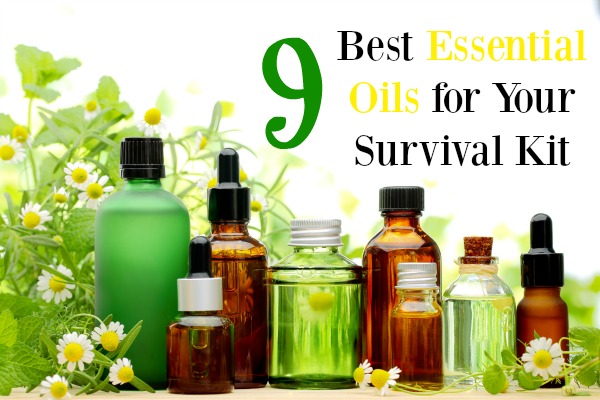
Nine Essential Oils for the Long Term Survival Kit
There
are many factors that have gone into my choices, including an oil’s
versatility and its ability to resolve multiple woes. I have also taken
into consideration price and shelf life. More about that in bit; but
first, here is my own list of the nine best essential oils for the
long-term survival kit along with my top 4 uses for each of them.
Cayenne pepper really hit its prime in the early aughts. When Giselle Bundchen credited cayenne with helping maintain her slim, Victoria’s Secret-worthy figure, the spice was suddenly stylish.
It’s
almost too easy—just a pinch of some magic powder and suddenly you’re a
fat-burning machine? Well maybe not a machine, but fiery cayenne does
seem to have an effect on increasing the metabolism. It’s well documented that turmeric has anti-inflammatory properties that give Advil a run for its money, and cinnamon is coveted amongst those with metabolic disorders thanks to its blood sugar-lowering effect.
The
rest of your spice rack isn’t to be overlooked—there are some superfood
seasonings hidden in the pantry that are worthy of a little more love.
Put down the salt and start cooking with these spices—your blood pressure, waistline, and tastebuds will thank you.
Paprika
Sweet, spicy, smoky—paprika comes in tons of different flavors and
varieties, but it’s always a vibrant brick red. Thanks to its plenitude
of antioxidants that impart its quintessential color, paprika is also
full of vitamins A and E.
Together, they fight free radical damage in the body, but vitamin A
also promotes cell growth and recovery, which supports anti-aging.
Fennel
With its distinct taste and smell, fennel is often loved or loathed. If
you fall into the latter category, this classic Italian seasoning is
worth your adoration—full of phytonutrients, fennel has been proven to
have anticancer and anti-inflammatory effects. A special phytonutrient
called anethole found in fennel has been linked to slowing the growth of cancer cells and apoptosis, or cell death, in breast cancer cells. Additionally, fennel’s antioxidants can help reverse damage to liver cells… So after a really rough night out, look to this spice to help heal your hangover.
Cloves
Especially popular in some of the most beloved holiday
foods—gingerbread, hot toddies, and pumpkin pie, to name a few—cloves
are a warming and aromatic addition to any dish. Along with their lovely
flavor, cloves impart another interesting element to dishes: eugenol. A
compound found specifically in clove oil, eugenol is incredibly
effective at protecting the body from external toxins found in the
environment, like carbon tetrachloride. It’s also a potent natural pesticide, so mixing a little clove oil into your lotion can ward off annoying mosquitos and bugs.
Oh,
the sound of rain on a tin roof, or the rustling of leaves on a crisp
fall afternoon. Both of these things may prompt you to want to sit and
relax with a warm cup of tea.
Sipping tea is not a new art and
countless cultures have been doing so for centuries. The history of tea
spans back to its birthplace, China. An old legend states that an
Emperor, Shen Nung, an avid herbalist was sitting under a tree while his
servant boiled some drinking water.
When the leaves from the tree
blew into the water, the Emperor decided to try the mixture and was
pleasantly surprised by the taste. The tree, Camellia sinensis is what
we now call tea.
What is chamomile tea?
Unlike
green or black tea, chamomile tea actually comes, not from a tree but
from a daisy-like plant. Plants in this family produce tea that is most
commonly known for its relaxing, sleep-inducing properties. A flavonoid,
chrysin, found in the plant is partially responsible for its reputation
as a sleep aid.
This herbal tea has a fruit-like flavor similar
to apple and besides being delicious, has a number of valuable
therapeutic properties. It has been found to contain 28 terpenoids and
36 flavonoid compounds including the bioactive components – coumarins,
flavonoids, terpenoids and mucilage. Together, these properties give
this delicate little flower its potent healing touch.
The dry
chamomile flower is known for its anti-inflammatory, antioxidant,
antifungal, antispasmodic, anti-ulcer and astringent healing properties.
Here are just a few of the ways that a warm cup of chamomile tea can improve your health and wellbeing.
The
new study evaluated the health effects of a nutritional treatment with
extra virgin coconut oil, focusing primarily on how it affects HDL
cholesterol and a range of anthropmetric measurements (e.g. body weight,
size, circumference).
The average age of the
participants was 62.4 ± 7.7 years, with 70% of elderly individuals, and
63.2% of males. All of them were hypertensive and 94.5% had blood lipid
profiles indicating "dyslipidemia" and on standard, cholesterol lowering drug treatment.
In
the first phase, a three month period, 136 enrollees were put on a
standardized diet. From the third month onward, the 116 who completed
the first phase were place in two intervention groups: 22 remained on
the diet, and 92 were put on the diet + 13 ml (.43 ounces) daily of
extra virgin coconut oil, which is equivalent to about 14 grams, or
about 1 Tablespoon (15 grams).
The results of the the
three-month coconut oil intervention showed that relative to the
standard diet, the coconut group saw a decrease in all six of the bodily
parameters measured, including:
Modern medicine is in crisis. The reason: it’s just not working.
Chronic diseases such
as diabetes, heart disease, cancer, arthritis, obesity, and allergies
are increasing with no letup in sight and account for seven of the top
ten causes of death as of 2010. Heart disease and cancer accounted for
forty eight percent of all deaths. Modern medicine may be great at
dealing with infectious disease and traumatic injuries, but has failed
to stem the tide of chronic disease.
In addition, surveys
indicate that two-thirds of patients feel disrespected by their
physicians, forty-four percent feel doctors don’t spend enough time with
them and a quarter believe physicians don’t answer questions and don’t
adequately involve them in treatment decisions, and use medical terms
with no explanation.
Numerous health systems have gained
prominence in the West as alternatives to what is known as mainstream or
biomedicine. Naturopathy, Homeopathy, Ayurveda, Chiropractic, Chinese
medicine, Acupuncture, Massage Therapy and Reiki have arisen as popular
alternative healing methods. The most recent National Health Interview Survey
estimates that up to forty percent of Americans have tried one or more
of these alternatives and are spending $34 billion annually on them.
Cooking with vegetable oils releases toxic chemicals linked to cancer and other diseases, according to leading scientists, who are now recommending food be fried in olive oil, coconut oil, butter or even lard.
The
results of a series of experiments threaten to turn on its head
official advice that oils rich in polyunsaturated fats – such as corn
oil and sunflower oil – are better for the health than the saturated
fats in animal products.
Scientists
found that heating up vegetable oils led to the release of high
concentrations of chemicals called aldehydes, which have been linked to
illnesses including cancer, heart disease and dementia.
Martin
Grootveld, a professor of bioanalytical chemistry and chemical
pathology, said that his research showed “a typical meal of fish and
chips”, fried in vegetable oil, contained as much as 100 to 200 times
more toxic aldehydes than the safe daily limit set by the World Health
Organisation.
“The human brain is changing in a way that is as serious as climate change threatens to be"
Professor John Stein, Oxford University’s emeritus professor of neuroscience
In
contrast, heating up butter, olive oil and lard in tests produced much
lower levels of aldehydes. Coconut oil produced the lowest levels of the
harmful chemicals.
Concerns over toxic chemicals in heated oils
are backed up by separate research from a University of Oxford
professor, who claims that the fatty acids in vegetable oils are
contributing to other health problems.
Scientists
said meal fried in vegetable oil such as fish and chips contains 100 to
200 times more aldehydes than the daily limit set by the World Health
Organisation (WHO).
Cooking with vegetable oil releases
toxic chemicals linked to cancer and even the degeneration of the brain,
according to experts.
Lard, butter, coconut and olive oil are all
better dietary choices, leading scientists have said - in advice which
directly contradicts the NHS.
When
heated, corn, sunflower, palm and soya bean oils - often called
"vegetable" oils - release chemicals called aldehydes which have been
linked to various cancers and neurogenerative diseases such as
Alzheimer's.
Using
butter, olive and lard in the frying pan, however, was found to produce
much lower levels of aldehydes - with coconut oil coming out as
healthiest.
Apple
Cider Vinegar has a plenty of valuable and restorative properties.
There have been assets composed on all the astonishing advantages that
Apple Cider Vinegar (ACV) has regarding different physical diseases and
additionally cleaning and DIY purposes.
ACV
is a successful and not an expensive multi-purpose cleaner, you can add
it to your water, tea and salad for an invigorating punch and benefit
from the various medical zing you’ll be accepting.
Why All The Fuss Over Apple Cider Vinegar?
The
word vinegar means vin aigre, is french for “sour wine”. The
restorative employments of vinegar date back to when it was found in
5000 BC by a courtier in Babylonia. MD’s amid the 18th century utilized
it as a multi purpose treatment or ailments like dropsy, stomach ache
and even diabetes. (1)
Columbus
had barrels of apple cider vinegar on his boats to avoid scurvy. Apple
fruit juice vinegar was utilized amid the Civil War to purify wounds and
Japanese Samurais drank it for quality and force.
Hippocrates utilized vinegar to treat seventeen distinct conditions (2), from ulcers to fractures.
Apple Cider Vinegar is
stacked with vitamins, minerals, and amino acids, its different
compounds help with absorption and 1 Tbs equivalent is only 3 calories.
Cleaning
ACV joined with 2 sections water makes a compelling regular disinfectant solution for all surfaces (3).
It’s
amazingly moderate contrasted with commercial regular cleaning items
and the odor is truly wonderful, you could include a couple drops of
hoodlums oil and have an extraordinary antibacterial shower for
countertops, restroom, kitchen and carpet deodorizer.
Hair rinse
There’s
another hair craze on the rise and it depends on the straightforward
system for utilizing baking soda as a cleanser and ACV as a conditioning
hair wash.
As opposed to spending
loads on garbage free shampoos and conditioners, this “no poo” (short
for shampoo) strategy for hair care lives up to expectations truly well
and makes your hair super delicate.
On
account of the pH adjusting impacts that ACV has, episodic reports
claim it can include sparkle, delicate quality and split down build up
from other hair items.
Dandruff and Thinning Hair
The
high acridity and capable compound in ACV slaughter the microbes in
charge of dandruff and hair loss, battle bacilli, and fortifies our hair
normal oils to discharge all the more adequately and saturate our
scalps better. I additionally prescribe utilizing coconut oil for a dry
scalp treatment.
Soak the scalp with
ACV and let it stay that way for a couple of hours on the off chance
that you can utilize the same treatment for thinning hair and irritated
scalp (4).
Pets
ACV
is an incredible solution for repulsing insects from your dog’s skin,
it’s absolutely sheltered to utilize so you don’t need to stress over
your pet getting debilitated from licking.
It
deals with pets the same way as with people, restoring the correct acid
mantle of the skin to repulse organisms and different bugs.
You
can likewise add Apple Cider Vinegar to your pets nourishment to keep a
sound pH adjust in their gut and to avert hypersensitivities, hinder
parasites, ringworm, ticks, growth and different organisms from
attacking.
A 50 lb. dog would get
around 2 tsp every day with nourishment, and in the event that you
needed to utilize ACV remotely you could blend it 50:50 with water and
place it in a splash jug, soaking the dog’s coat once a day (5).
Attempt this!
Tahini Apple Cider Vinegar Salad Dressing
Ingredients
1 clove garlic, minced
4 Tbs olive oil
½ tsp sea salt
1 tsp Dijon mustard
2 Tbs ACV
1 Tbs Tahini
1 tsp honey
Instructions:
Place
all the ingredients in a jar and shake until emulsified, enjoy with
some new greens and pieces of apple. Another delicious method for using Apple Cider Vinegar is to add it to your meat marinades.
Skin Toner
Most
skin care items are on the soluble side of the pH scale, a few
individuals take a stab at everything for their skin issues however
nothing appears to work! The issue is most items are damaging the acid
mantle, a defensive layer on our skin.
ACV
is awesome in light of the fact that its acidity is closer to the
characteristic pH of our skin, which keeps the acid mantle in place to
carry out its employment, securing against germs and outside microbes
which can be sustaining the skin issue.
On
the off chance that you need to attempt ACV as a toner, simply join one
section ACV with a few sections of water, you’ll need to include more
water for exceptionally touchy skin.
Apply this mixture to your face subsequent to purifying and permit it to ingest into your skin.
Detoxifying
In
a world loaded with such a variety of poisons, we ought to all be
taking preliminary measures by including protective foods into our
eating regimens.
The remarkable acids stuck ACV dilemma to poisons and permit us to discharge them all the more adequately.
You
can likewise use the prescription of ACV by adding a mug to a hot
shower with some Epsom salts, to kick start your lymphatic system into
discharging poisons (6).
Allergies and Congestion
Not just does ACV help separate mucous, it likewise has a characteristic anti-histamine impact.
Whether
your affliction from occasional anaphylaxes, natural or pet related,
ACV can diminish the sneezy, wheezy, uncomfortable side effects (7).
Candida
If
you aren’t acquainted with candida abundance, view yourself as
fortunate. Candida is a parasitic microbes which cause yeast excess
prompting low vitality, poor processing, yeast contaminations, ulcer and
other uncomfortable side effects.
Candida
abundance happens frequently when a man has a poor diet, high in
refined sugar and carbs, and it can assume control when the gut greenery
traded off by anti-microbial utilize or birth control.
ACV
is a compelling device in the unit of somebody attempting to free
themselves of depleting candida. You can likewise take a gander at lemon
water as a conceivable arrangement when treating Candida.
It
meets expectations by helping advance better assimilation and a
corrosive/soluble balance more adjusted to elevating solid microbes to
at the end of the day flourish in the gut (8).
Vinegar has been utilized as a cure for foot fungus and is great for killing molds.
Since
yeast is a growth, ACV would help in keeping the parasite under
control, despite the fact that to date there hasn’t been any particular
examination of ACV specifically as a candida executioner.
Signs of magnesium deficiency are everywhere in the United States, if
you know what to look for. Unfortunately, the symptoms are so
incredibly common that they constantly slip under the radar! Hardly
anyone, especially doctors, notice that the ailments we suffer
from on a daily basis are actually magnesium deficiency symptoms… and
we’re all paying for it.Just about every single person you come into contact with – especially those with a health problem, but even those with only minor complaints – are suffering in some way from this nationwide deficiency. Including you!
What Exactly Is Magnesium?
Magnesium is life.
It is the 4th most abundant mineral in the body, right next to sulfur (which is JUST as important).
Along with being a mineral, magnesium is also an electrolyte.
“Sports drinks” (aka sugar-filled scams) claim to contain electrolytes
such as magnesium, potassium, and sodium because we sweat away these
important nutrients during exercise, and their deficiency is what leads to the common problems athletes face, such as muscle cramping! But believe me – electrolytes (especially magnesium) do so much more than treat and prevent muscle cramps.
First
off, electrolytes are what allow us to be living, electrical beings.
They are responsible for all electrical activity (and thus brain
conductivity) in the body. Without electrolytes like magnesium, muscles
can’t fire, your heart cannot beat, and your brain doesn’t receive any
signals. We need magnesium to stay alive, point blank. As soon as we
don’t have enough of it, we start to lose the energy and conductivity
that keeps us going. Technically, as soon as we become deficient, we
slowly begin to die, getting more aches and pains day by day, feeling
worse year after year. I can’t stress it enough… signs of magnesium
deficiency are everywhere, if you just look.
Magnesium is a
cofactor in over three hundred reactions in the body, necessary for
transmission of nerve impulses, temperature regulations, detoxification
in the liver, and formation of bones and teeth. However, magnesium shows
its true power in cardiovascular health. The Weston A. Price foundation
writes, “Magnesium alone can fulfill the role of many common cardiac
medications: magnesium inhibits blood clots (like aspirin), thins the
blood (like Coumadin), blocks calcium uptake (like calcium
channel-blocking durgs such as Procardia) and relaxes blood vessels
(like ACE inhibitors such as Vasotec) (Pelton, 2001).”
Nearly EVERYONE has signs of magnesium deficiency but we don’t realize it…
Symptoms include:
(NaturalNews)
If you're shopping for an all natural toothpaste, the list of
ingredients to avoid includes diethanolamine, propylene glycol,
fluoride, aspartame, saccharine, sodium lauryl sulfate, Triclosan,
glycerin, sorbitol, and microbeads. After careful examination of the
ingredients, the discerning shopper will see the similarities between
food products and other body care products. There are a lot of
toothpaste companies that are merely pretending to be healthy.
Finding
a toothpaste that is actually good for you, in other words, one that
actually helps improve oral health, can be challenging. So why not make
your own?
All you need is a formula that you can brush into the
teeth and gums that helps to scrub away and kill bacteria and other
microbes while it polishes the teeth lightly without acidifying the
mouth with toxins that damage tissue and leach calcium from the teeth.
It's actually not so hard when you forgo the chemicals! Here are four
recipes for oral health that you can use to mix and match and come up
with your own regimen. You'll save some money and extend the life of
your yappers.
Simple Toothpaste Recipe
You can make homemade toothpaste, that's not really a paste, with the following:
Ingredients
1 teaspoon baking soda
1/2 teaspoon unrefined sea salt, finely ground
Instructions
Just
mix the ingredients. You can also add an essential oil like peppermint
or cinnamon; you can easily add a drop on the brush before brushing.
Homemade Earth-paste Recipe
If you like the earthy shampoos and soaps, then this toothpaste formula is right up your alley:
Combine
2 tablespoons of water with the bentonite clay in a glass bowl and mix
well using a non-metal spoon (the clay shouldn't come in contact with
metal)
Add tea tree oil, stevia, and peppermint essential oil
Add salt, mix well
Add water to taste and texture
Store toothpaste in a glass with a lid (the toothpaste will dry out over time if left uncovered)
Homemade Remineralizing and Whitening Toothpaste Recipe
Make
your own remineralizing toothpaste with calcium, magnesium, stevia,
coconut oil, and essential oils to help your teeth stay strong and your
gums stay healthy.
Ingredients
5 parts calcium/magnesium powder (the best calcium for this can be obtained with this homemade calcium recipe)
2 parts baking soda
1 part unrefined sea salt, finely ground
3-5 parts coconut oil to get desired texture
Optional
ingredients: Essential oils for flavor and/or kill germs (mint,
cinnamon, tea tree, peppermint, orange), and stevia (takes very little)
Instructions
Mix calcium, salt, and baking soda in a bowl
Add coconut oil, one part at a time until you reach the desired consistency
Add any optional ingredients
Store in small glass container
Hydrogen
peroxide is added to many homemade toothpastes, especially those
formulated for whitening. But hydrogen peroxide is one of those
ingredients you are not supposed to swallow and it can irritate the
gums. It is not a good idea for kids or for anyone with sensitive,
damaged, or diseased gums.
Conclusion
If you
suffer from oral health issues such as gingivitis or cavities, add oil
pulling, chewing on garlic, and Shillington's Tooth and Gum recipe,
which you can find in Fight Cavities and Gingivitis Naturally With Homemade DIY Oral Health. We also recommend addressing gut health and the first three sources below for acute gum infections and other more serious oral health issues.
About the author: Kali Sinclair is a copywriter for Green Lifestyle Market, and a lead editor for Organic Lifestyle Magazine.
Kali was very sick with autoimmune disease and realized that
conventional medicine was not working for her. She has been restoring
her health by natural means and is interested in topics including
natural health, environmental issues, and human rights.
...................................................................................................
About NaturalNews
The
NaturalNews Network is a non-profit collection of public education
websites covering topics that empower individuals to make positive
changes in their health, environmental sensitivity, consumer choices and
informed skepticism. The NaturalNews Network is owned and operated by
Truth Publishing International, Ltd., a Taiwan corporation. It is not
recognized as a 501(c)3 non-profit in the United States, but it
operates without a profit incentive, and its key writer, Mike Adams,
receives absolutely no payment for his time, articles or books other
than reimbursement for items purchased in order to conduct product
reviews.
The vast majority of our content is freely given away at
no charge. We offer thousands of articles and dozens of downloadable
reports and guides (like the Honest Food Guide)
that are designed to educate and empower individuals, families and
communities so that they may experience improved health, awareness and
life fulfillment.
5-Year Old Beat Leukemia With Cannabis Oil When Chemotherapy Failed
Two years ago, Landon Riddle had acute lymphocytic leukemia (ALL), a cancer of the blood and bone marrow which is the most common cancer in children. His mother says his condition improved so much following treatment with medical marijuana that chemotherapy was not needed. But the Children's Hospital of Colorado, disagreed insisting chemotherapy poisons were the best choice and threatened his mother with legal action and removal of her child from her care.
.....
.....
It all started back in September 2012. Landon, then 2, was living
with his mother, Sierra Riddle, in St. George, Utah, when he developed a
sore throat and swollen lymph nodes. The emergency room doctor said it
was a virus and sent him home.
Two days later he went back. His armpits were swollen.
"They thought it was either a virus or infection in the lymph nodes, so they gave him some antibiotics," Sierra Riddle says.
But
on the fifth day, his mother says she was changing his diaper and
noticed his groin was also swollen, as well as his abdomen and throat.
He was having trouble breathing.
That time, she got a frightening diagnosis: cancer.
Landon was flown to a children's hospital in Salt Lake City.
"His
whole chest was full of leukemia tumors, which is why he couldn't
breathe," his mother says. "They started him on chemo, but told us that
he probably wasn't going to make it."
Landon's cancer had quickly progressed, leading doctors to give him an 8% chance of survival, she says.
In general, ALL is one of the most curable cancers. According to the American Cancer Society, more than 90% of children diagnosed with the disease survive.
Chemotherapy
is the standard treatment, and Riddle says doctors put Landon on a
four-year treatment plan. The first two months of chemo went fairly
well, but then Landon became extremely ill.
"Most days he couldn't get off the couch," Riddle remembers. "He would just lay there and throw up and throw up."
Riddle
says he also developed neuropathy -- a symptom of nerve damage that can
cause weakness, numbness and pain -- in his legs that left him barely
able to walk.
Around that time, a friend set up a Facebook page called Offer Hope for Landon, and recommendations started streaming in, including several endorsing cannabis -- medical marijuana -- as a treatment.
Medical
marijuana, however, isn't legal in Utah. Still, desperate for answers,
Sierra Riddle and her mother, Wendy Riddle, started looking into it.
They
considered going to California or Oregon. Then their research led them
to the Stanley brothers in Colorado. The six brothers are one of that
state's biggest cannabis growers and dispensary owners.
The
Stanleys produce about 500 pounds of medical marijuana a year. At the
time, much of it was high in THC -- tetrahydrocannabinol, the
psychoactive ingredient in pot that gets users high but also helps
patients with an array of conditions including pain and nausea.
But
the Stanleys were also growing something quite revolutionary: a plant
cross-bred to reduce the THC and increase another compound found in
cannabis called cannabidiol, or CBD. Many researchers believe CBD is one
of the compounds in marijuana that has medicinal benefits. According to
the National Cancer Institute, it's thought to have significant analgesic, anti-inflammatory and anti-tumor activity without the psychoactive effect.
The Stanleys expect to produce over 1,000 pounds this year, most of it the cross-bred variety, according to Joel Stanley.
Riddle, herself a recovering heroin addict, struggled with the idea of giving Landon marijuana.
"I was telling my mom, you know, 'We really need to think about this.'"
But,
says Riddle, her son was already prescribed medications like OxyContin
and morphine -- medications with significant side effects.
Landon
suffered from stomach failure, and "the OxyContin made him so
miserable, when he had hair, he would literally try to pull his hair
out."
In the end, she decided she
had nothing else to lose and moved to Colorado. She rented a room, got
Landon's medical marijuana card and began giving him marijuana -- THC
for the pain and nausea, but also CBD. The dose was based on Landon's
weight. He first took it in oil form, but now takes a pill.
Once the doses started, "Landon's (red and white blood cell) counts increased dramatically," she says.
Six months later, encouraged by Landon's progress, she stopped his chemotherapy treatments completely.
"Once
I took the chemo out, I see these amazing results. And no more need for
blood transfusion and platelet transfusions," Riddle says. "I think
that the chemo in combination with the cannabis did put him into
remission and now the cannabis will keep him there."
But Landon's doctor at the Children's Hospital of Colorado was shocked.
"She
told me with no uncertainty that if I refused chemo, she would have no
choice but to report me to the proper authorities," Riddle says.
So Riddle found a lawyer willing to take her case.
"Nobody
wants to hurt Landon here," says attorney Warren Edson. "This is about
making him better. We have no problem making sure he's monitored
throughout this process. And again, if there's any indication this is
doing him harm, I can't imagine Sierra doing anything other than the
right thing."
Children's Hospital
Colorado, in a statement, says it is "committed to protecting the
well-being of our patients." The hospital says it cannot discuss
specific cases, but provided information from Dr. Stephen Hunger,
director of the hospital's Center for Cancer and Blood Disorders.
Children's Hospital Colorado is "one of the largest centers in the country that treats children with ALL," the statement says.
"The
Center for Cancer and Blood Disorders at Children's Hospital Colorado
has always done its best to work closely with families to provide the
most appropriate treatment for cancer, while also seeking to minimize
side effects and maximize quality of life.
"Today,
chemotherapy is a required part of therapy for children with leukemia.
Many supportive care medications are used in children and adults with
cancer, including those considered to be complementary and alternative
medicine (also referred to as integrative health).
"Marijuana
or a product derived from marijuana is often used to decrease side
effects in adults with cancer," the hospital says. "There are several
FDA-approved and commercially available anti-nausea medicines derived
from marijuana (cannabinoids) that are frequently used by adults and
children with cancer, and we often prescribe these medications."
In
an effort to stave off a legal wrangle, Riddle, her mother and Edson
met with the doctors in charge of Landon's care in October.
"They
said they were willing to work with us. They said they were willing to
alter the chemo plan, and they did not," Riddle says.
Child
protective services -- which Riddle says had already been notified and
visited the family's home -- was also at the meeting, along with Dr.
Margaret Gedde, who wrote Landon's original prescription for marijuana
and is monitoring his care.
"I could
see a large gulf between the doctors who were making the point this is a
fatal disease -- 'You know, he needs this treatment to survive,' and
pretty much that was their stance," says Gedde.
"The
family wanted to discuss more alternative modes of treatment and really
things that wouldn't make him so sick, but again, the doctors being
convinced that really it had to be done the way that they were used to
it (being done) -- that just made it very much really a confrontation
there of two different mindsets. I felt sympathetic to both."
Child protection officials declined comment on the case.
"There
are many challenges with marijuana research as it relates to cancer,"
the organization says in a statement. "While it shows promise for
controlling cancer pain among some patients, there is still concern that
marijuana may cause toxic side effects in some people and that the
benefits of THC must be carefully weighed against its potential risks.
There is no available scientific evidence from controlled studies in
humans that cannabinoids can cure or treat cancer."
For
now, Landon is still in remission with no sign of recurrence. Still,
Gedde is cautious and says she can't recommend cannabis over chemo.
"When
you look at children who go through that same course of treatment and
compare Landon to them, it seems like he's doing better than what would
be expected," she says.
"I'm very
hopeful and very encouraged that the CBD is probably having a beneficial
effect for him, but I think we're still looking to have the disease
course play out and find out. I think in cancer, you don't really know
until later."
Wendy Riddle says they have no regrets and will continue to fight.
"It's
not just fighting for Landon. It's not just about him, it's about all
of the kids to come," she says. "When Landon is 15 years old and we talk
about this, I want Landon to know that we did everything in our power
to be compassionate in his care and to protect him."
Little
attention has been given to the long-term side-effects of chemotherapy
drugs. This is of paramount importance as long-term effects could
considerably compromise patients’ quality of life. Also, a better
understanding of the whole spectrum of chemotherapy adverse events--both
short and long term--should an issue of investigation for oncologists
to refine the use of such therapy, in terms of both scheduling and
individual patients’ risks and preferences.
Dr.
Robert Atkins, MD, of Atkins Diet fame once announced there are several
cures for cancer, but there’s no money in them. They’re natural,
effective, and inexpensive, no expensive drugs are involved but they
require quite a lot of self-discipline from patients. It costs millions
to fund research and clinical trials needed to produce a new cancer drug
that can be patented and sold. Often these drugs create more illness.
It has been said that the key to success in the health business is to
pull off the trick of making people patients for life. Consider how many
people who registered a couple of abnormal blood pressure readings have
been kept on medication until the medication killed them, when a quick
fix course of drugs supported by major changes of diet and lifestyle
would have returned their physical condition to an unmedicated healthy
state.






 Collective Evolution


