Showing posts with label stress. Show all posts

Monday, December 21, 2015

A diet rich in clean foods can help reduce inflammation and its harmful effects on your body.

Ipomoea batatas 006.JPG
Ipomoea batatas, Convolvulaceae, Sweet Potato, storage roots; Karlsruhe, Germany. The plant is used in homeopathy as remedy: Ipomoea batatas (Ipom-b.)
Wikimedia.org     Llez  
..........................................................................................


Home


6 Anti-Inflammatory Powerhouses

Clean eating can put out the fire that's making you sick.

August 24, 2015


Chronic inflammation has been associated with an increased risk of arthritis, diabetes, heart disease, high blood pressure, osteoporosis, and cancer. Sure, some inflammation is good—like the acute kind is a form of self-protection, your body's immune response to a cut or pathogens entering the body. Chronic inflammation, however, means that your body is constantly producing immune cells, which can damage the body. This harmful inflammation is a result of never-ending stress, being overweight, or a diet high in things like sugar, trans fats, and various toxins.

But while the wrong diet promotes excessive inflammation, a diet rich in clean foods can help reduce it and its harmful effects on your body. The following foods in particular are anti-inflammatory powerhouses:
Spices and Herbs
 
Herbs and spices like basil, rosemary, thyme, oregano, turmeric, peppercorns, ginger, and cinnamon are loaded with all sorts of antioxidants that have even been found to reduce pro-inflammatory compounds that build up on meat during grilling. And ginger and turmeric, in particular, have been linked to joint pain relief. Add them to marinades, dressings, spice rubs, and teas for a dose of health and flavor.

Soy
 
Soy can reduce the inflammation marker C-reactive protein, which is linked to cardiovascular disease. Incorporate clean sources of soy into your diet, such as tempeh or edamame.
Try It: Eating clean has never been tastier or easier!


Read More Here


.................................

Herbs and Spices
File:Spices, seasonings, herbs and vegetables.jpg
Spices, seasoning, herbs and vegetables
Zak Greant from Vancouver, Canada   Wikimedia.org
.....................................................................
Cold Water Fish
File:Essaouira, Fish Market.JPG
Essaouira,_Fish_Market   Attribution: Donar Reiskoffer    Wikimedia.org
................................................................................................
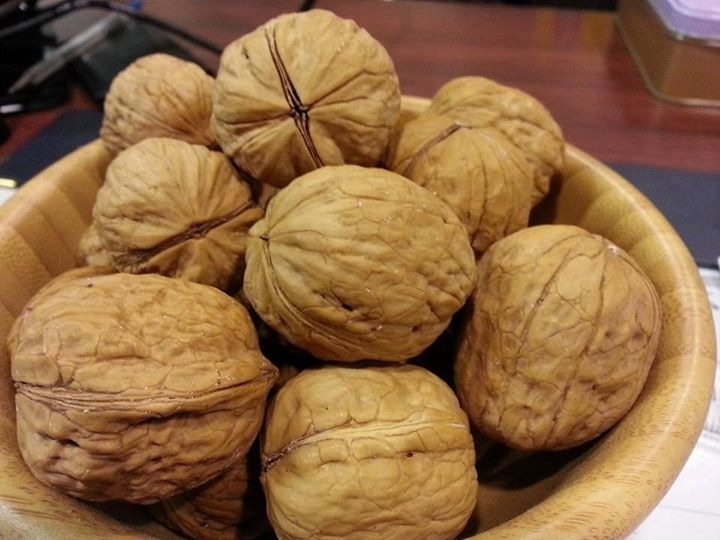
Walnuts
Nueces y cascanueces.jpg
Boca Dorada - Nueces     Wikimedia.org
.......................................................................................................
Teas
File:Colorful Spices and Teas.jpg
Colorful Spices and TeasChristopher from Shanghai, China   Wikimedia.org
........................................................................................................
See how these inflammation busting foods can help you here

Tuesday, November 24, 2015

Diseases display a variety of symptoms, but curiously enough, there is a common denominator! Oxidative stress and inflammation.


Is This The Common Denominator Of All Disease?

Pigeonholing Diseases
Diseases display a variety of symptoms, but curiously enough, there is a common denominator!

The Truth About "All Disease"

A recent series presented via GreenMedInfo, "The Truth About Cancer" could have been more accurately titled, "The Truth about All Disease." The elements of cancer protocols: nutrient/mineral correction, detoxification, helpful supplements, various energy therapies and lifestyle choices, really apply to healing all chronic disease. The idea of personal empowerment applies to all disease as well. Survivors emerged from the shock of a cancer diagnosis, stepped away from conventional treatments and "willed" their healing, which proves once again the critical importance of mental states and the reality of placebo-nocebo effects. Yes, it can be done!

We get misdirected by complex medical studies and lose sight of the common denominator in chronic disease; all are symptoms of oxidative stress and inflammation. Every symptom that ever occurs starts with a shortage of cellular bio-energy: electrons. Colds, bronchitis, indigestion, high blood pressure, bleeding gums or depression are first signs of inflammation and a progression toward heart disease, arthritis and cancers that arrive decades later. The fooler is that symptoms may appear in different locations in the body, yet reflect a predictable correlation with a range of specific insults. So cut to the cure, identify the root causes that come from toxins, wrong nutrition, poor lifestyle choices and negative personality traits/emotional stress/fear of death. Take appropriate steps at this seed level.

The public is not only convinced pharma-medicine is "real" medicine, but is deprived of accurate information and even the very idea of alternative treatments...and doctors have little time to coach patients on self-care. The best interests of the patient would be better served by a Nurse Advocate (schooled in CAM) offering personal instructions rather than a quick prescription. Leave the allopathic paradigm of a drug for every symptom...behind. Natural health proponents borrow the same pigeonhole framework by substituting an herb or supplement for a drug, repeating the idea that there is a specific silver bullet for each malady. Not so! Basic oxidation-reduction (redox) chemistry, though it seems foreign to medical thinking, is the most certain scientific and holistic point of view that goes to the root of health and healing.


Read More Here

Saturday, November 7, 2015

When You Eat Just 5 Walnuts, This Will Happen In 4 Hours

Healthy Food House


https://upload.wikimedia.org/wikipedia/commons/b/b4/HK_nut_%E5%A0%85%E6%9E%9C_Juglans_regia_%E5%90%88%E6%A1%83_Dec-2013.JPG
Boteojoe200       Wikimedia.org
...............................................................................
Walnuts should be part of your regular for they are considered to be a superfood, due to the high content of healthy fats along with the numerous health benefits they provide. These foods comprise anything from almonds and pistachios to peanuts and walnuts.

This article will let you know how walnuts can improve your health in numerous ways. Walnuts are so abundant in various vitamins and minerals, that only a handful of these will suffice until your next meal.

Some of these include the following:
  • antioxidants
  • vitamin E
  • omega-3 fatty acids
  • polyunsaturated fats
  • phenols
As previously stated, walnuts are excellent for your health, as they provide you with a number of health benefits:

Read More Here

...........................................................................................


Read More Here

Thursday, November 5, 2015

Why We’re All Deficient In Magnesium, The Many Signs & What To Do


Collective-EvolutionCollective Evolution


lackvitamins


Signs of magnesium deficiency are everywhere in the United States, if you know what to look for. Unfortunately, the symptoms are so incredibly common that they constantly slip under the radar! Hardly anyone, especially doctors, notice that the ailments we suffer from on a daily basis are actually magnesium deficiency symptoms… and we’re all paying for it.
 
Just about every single person you come into contact with – especially those with a health problem, but even those with only minor complaints – are suffering in some way from this nationwide deficiency. Including you!
 

What Exactly Is Magnesium?


Magnesium is life.

It is the 4th most abundant mineral in the body, right next to sulfur (which is JUST as important).
Along with being a mineral, magnesium is also an electrolyte. “Sports drinks” (aka sugar-filled scams) claim to contain electrolytes such as magnesium, potassium, and sodium because we sweat away these important nutrients during exercise, and their deficiency is what leads to the common problems athletes face, such as muscle cramping! But believe me – electrolytes (especially magnesium) do so much more than treat and prevent muscle cramps.

First off, electrolytes are what allow us to be living, electrical beings. They are responsible for all electrical activity (and thus brain conductivity) in the body. Without electrolytes like magnesium, muscles can’t fire, your heart cannot beat, and your brain doesn’t receive any signals. We need magnesium to stay alive, point blank. As soon as we don’t have enough of it, we start to lose the energy and conductivity that keeps us going. Technically, as soon as we become deficient, we slowly begin to die, getting more aches and pains day by day, feeling worse year after year. I can’t stress it enough… signs of magnesium deficiency are everywhere, if you just look.

Magnesium is a cofactor in over three hundred reactions in the body, necessary for transmission of nerve impulses, temperature regulations, detoxification in the liver, and formation of bones and teeth. However, magnesium shows its true power in cardiovascular health. The Weston A. Price foundation writes, “Magnesium alone can fulfill the role of many common cardiac medications: magnesium inhibits blood clots (like aspirin), thins the blood (like Coumadin), blocks calcium uptake (like calcium channel-blocking durgs such as Procardia) and relaxes blood vessels (like ACE inhibitors such as Vasotec) (Pelton, 2001).”


Nearly EVERYONE has signs of magnesium deficiency but we don’t realize it…
Symptoms include:

  • Constipation
  • High blood pressure (Hypertension)
  • Anxiety
  • Depression
  • Insomnia
  • Behavioral disturbances
  • Lethargy
  • Impaired memory/thinking
  • Seizures
  • Fatigue
  • Sleep disturbances
  • Pain
  • Muscle cramps
  • Chronic back pain
  • Headaches
  • Migraines
  • Muscular pain
  • Tendonitis
  • Anger
  • Aggression
  • ADHD
  • Brain fog
  • Tension
  • Anxiety disorders such as OCD


Read More Here

Thursday, October 22, 2015

How To Make Lavender Lemonade To Get Rid Of Headaches & Anxiety


lavender
So many people suffer from anxiety and headaches these days. I believe this to be a mixture of our lifestyles and many of the changes that are taking place in our world that are pushing people to question what we’ve been doing as a society repetitively for many years. You know what I mean… that feeling that there is something more than just going to work, making money, coming home, eating and repeating it all. It may sound cliche, but it’s evident.

Deep down we can feel it, that something isn’t quite “right” with our world anymore and there’s a certain sense of freedom from it all that is calling us from deep within ourselves. Not knowing what that feeling is exactly or what to do, we sometimes will feel anxiety or overwhelm as we look at our lives. How do we deal with these things? There are a number of actions we can take to address the core issue which you can explore here.

It’s important that we begin to explore this feeling inside. That knowing that things can be different, that our world doesn’t have to be the way it is. Whether it is people getting fed up with the 9 – 5, feeling disconnected from themselves and others or feeling the desire to do what we love and are passionate about, our patience with avoiding these things is continuously growing thin. It’s time, it’s time to explore it!

Other than inspiring people to begin that exploration and letting them know “you’re not crazy, many people are feeling this too,” I also wanted to share something simple that can aid us while we are making more long-term adjustments.


Read More Here

Friday, May 2, 2014

Researchers : How well a person recovers from traumatic events may depend in part on their self-esteem

File:Connectome.jpg
"Why we are the way we are: the Internet of our brains. These are axonal nerve fibers in the real brain as determined by the measured anisotropy (directionality) of water molecules inside them. 3T 30 channel GRAPPA DTI scan protocol, deterministic tractography performed using TrackVis/FACT algorithm. You might know the subject :-)"
jgmarcelino from Newcastle upon Tyne, UK
Wikimedia . org
.....
LiveScience

Disaster Survivors: How Stress Changes the Brain

How well a person recovers from traumatic events may depend  in part on their self-esteem, according to researchers who examined the effects of a major earthquake on the survivors' brains.
The researchers had conducted brain scans of university students for a study before the Great East Japan Earthquake struck in 2011. After the earthquake, they repeated the scans on 37 of the same people, and tracked stress-induced changes in their brains in the following months.
"Most importantly, what these findings show, is that the brain is dynamic — that it's responding to things that are going on in our environment, or things that are part of our personality," said Rajita Sinha, professor of psychiatry at Yale School of Medicine, who wasn't involved in the study. [Top 10 Mysteries of the Mind]
In the brain scans taken immediately after the incident, the researchers found a decrease in the volume of two brain regions, the hippocampus and orbitofrontal cortex, compared with the scans taken before the incident.
One year later, the researchers repeated the scans and found that the hippocampus continued to shrink, and people's levels of depression and anxiety had not improved.

Read More Here

.....

Japan Quake Shows How Stress Alters the Brain


HealthDay SHARE

TUESDAY, April 29, 2014 (HealthDay News) -- A small study of people who experienced the devastating 2011 earthquake in Japan shows that although traumatic events can shrink parts of the brain, some of those regions can rebound once a person's self-esteem returns.
"Higher self-esteem is one of the most important traits of resilience in the context of stressful life events," said study author Atsushi Sekiguchi, who noted that these latest findings also illustrate that brain changes are dynamic and fluid over time.
Sekiguchi's prior research had already demonstrated that people with lower self-esteem following a traumatic event are likely to experience a quick, short-term drop in the size of their orbitofrontal cortex and hippocampus. The first brain region is involved in decision-making and emotions, while the second area is involved in memory.
But by tracking the same individuals over time, Sekiguchi's team observed that the "part of the brain volume which had decreased soon after a stressful life event [ultimately] increased, especially in individuals with [renewed] high self-esteem."
Sekiguchi, from the division of medical neuroimage analysis at Tohoku University in Sendai, Japan, and his team report the findings in the April 29 online edition of Molecular Psychiatry.
To gain insight into how the 2011 earthquake -- and ensuing tsunami that heavily damaged several nuclear reactors in northern Japan -- affected its victims, the researchers focused on 37 men and women who were about 21 at the time.
All had MRI brain scans right after the earthquake, and then again one year later.
At the same time, the earthquake victims were given psychological assessments to gauge anxiety, depression, low self-esteem and other characteristics of post-traumatic stress disorder (PTSD).
Investigators concluded that none of the patients ever developed full-blown PTSD.
Yet, the group did experience a big dip in self-esteem immediately following the earthquake. And by comparing their brain scans with those of 11 other people taken before the earthquake, the team determined that the loss of self-esteem was accompanied by a downsizing of the brain's orbitofrontal cortex.

Read More Here
.....
Enhanced by Zemanta

Sunday, April 6, 2014

The Fort Hood tragedy : Vets, Docs Worry Fort Hood Shootings Will Deepen PTSD Stigma


Vets, Docs Worry Fort Hood Shootings Will Deepen PTSD Stigma

The word “PTSD” had barely left the mouth of Fort Hood’s commander late Wednesday when, across the nation, many veterans with those symptoms and doctors who treat the malady understood they faced a renewed battle: a resurgence of the stigma that comes with that diagnosis.
The Fort Hood tragedy –- 16 wounded and four killed, including identified shooter Ivan Lopez, a soldier being evaluated for PTSD –- is precisely the type of event that makes combat veterans cringe. Many worry they’ll be further mislabeled as dangerous time bombs, as the next to snap, and that post-traumatic stress will again be misrepresented and misunderstood as a condition that sparks public, violent outbursts.
“That is not what post-traumatic stress is or what it does,” said Ingrid Herrera-Yee, a clinical psychologist in the Washington, D.C. area who treats veterans diagnosed with Post Traumatic Stress Disorder and other mental health issues as well as their family members and civilians. Her husband, Army National Guard Staff Sgt. Ian Yee, spent three combat deployments in Iraq and Afghanistan.

“Yes, there is anger and irritability (associated with PTSD), but it’s usually internalized. You’re more likely to see it as someone who is withdrawn, anxious and numb, who’s lost interest in life. Some veterans explain it to me this way: ‘The last thing you want is to go out and lash out,” said Herrera-Yee, adding: “Just like any victims of a trauma –- rape or domestic violence -– they can become fearful of their surroundings, but they’re not going to react angrily toward their surroundings. For them, it’s all about avoidance.”
"You’re more likely to see it as someone who is withdrawn, anxious and numb, who’s lost interest in life. Some veterans explain it to me this way: ‘The last thing you want is to go out and lash out.'"
For years, Pentagon brass and branch commanders have urged troops and veterans to seek mental-health help if they feel the need, while repeating the message that, if they do see a doctor, they will not be viewed as weak but as strong. That campaign seems to have finally dented the macho-military mantra that every soldier can handle his or her own business. Many veterans are turning to doctors to begin addressing post-service anxiety issues, often fueled by repeated or long deployments.

Enhanced by Zemanta

Thursday, December 5, 2013

5 Ingredients for 5 Healing Baths

relaxing in the tubSlipping into a warm tub feels wonderful on a cold day. If you are blessed with a bathtub (and doubly blessed with a deep one), try taking your soak to another level by adding one of these various healing and nutrifying elements.
Essential Oils: Perhaps the easiest way to add a benefit to your bath, aromatherapy doesn't just smell good; studies show it can influence how you feel. Organic pure essential oils can be purchased at natural products stores, and one bottle will last a long time. Be sure to mix the oils into the bath water before stepping in, as undiluted essential oils can irritate the skin. For a calming bath, add lavender, chamomile or clary sage. To energize, add peppermint or rosemary. Eucalyptus and tea tree will offer purifying benefits.
Stress-Relieving Mineral Bath: Adding sea salt to a bath can turn an ordinary bathtub into a mineral pool. The trick is to add quality sea salt that contains naturally existing minerals. Sea salt has a purifying and healing effect. How much salt to add to a tub depends on the condition of your skin; start with a small handful and increase until you are comfortable. We recommend Natural Vitality's Calm Bath, which is a blend of the anti-stress mineral magnesium and Redmond Real Salt, which is rich in trace minerals.

Read More Here
Enhanced by Zemanta

Monday, November 11, 2013

NHK Documentary: "Healing Children through Art"

MissingSky101 MissingSky101


Published on Nov 11, 2013
Note:
This video does not pertain to any radiation issues from the Fukushima Nuclear Power Plant meltdown. "Healing Children through Art" is a message of hope, support, encouragement and love for the children living in the disaster stricken area of Tohoku.
Healing Children through Art
Ms. Harumi Torii, Founder of Kids Earth Fund, believes in the healing power of creative activities. She holds variety of events to help children in the disaster area to freely express their feelings through painting. One day she shows some children a big canvas and encourages them to complete a painting of artistic messages from children around the world. This is a story of how traumatized children reacted and were comforted through heart to heart exchanges with the world.
Kids Earth Fund
Sadly, even in affluent countries such as Japan there are many children who suffer emotional problems as a result of the damaging influence they have received growing up in a materialistic society. In Japan, KIDS EARTH FUND hosts projects and workshops that are designed to help these children. Professional artist, specialist and musician volunteers design programs that foster children's imagination and help build their self-esteem and interest in helping others. 1000 children have participated in these Japan-based events.
http://www.kidsearthfund.jp/en/injapa...
Enhanced by Zemanta