Showing posts with label United States. Show all posts

Sunday, December 13, 2015

Syngenta mixed GMOs into US crops to force the world to accept untested biotechnology, lawsuit claims


NaturalNews's profile photo
NaturalNews


Syngenta


(NaturalNews) Agri- and biotech giant Syngenta is being sued by hundreds of farmers in at least 20 states for shocking business practices, including using the American people as GMO guinea pigs.
According to Arkansas Business, one of the lawsuits against the Swiss seed manufacturer, which has been filed on behalf of two Newport-area farms, alleges that Syngenta "has engaged in a criminal conspiracy to contaminate the U.S. corn crop to force China (and) other nations that buy U.S. corn and U.S. farmers to accept" GMO corn.

The publication further reported in online editions:

The suit, field by the Emerson Poynter law firm, which has offices in Little Rock and Houston, alleges that Syngenta violated the Racketeer Influenced & Corrupt Organizations Act, or RICO, which is usually used to fight organized crime.

The firm filed the class-action suit in January on behalf of Eagle Lake Farms and Kenny Falwell, both operating farms in the Newport area. The suit was filed in U.S. District Court for the Eastern District of Arkansas. At least eight other suits have also been filed against the seed maker, the news report said.

In all, there are hundreds of pending suits against Syngenta that have been filed by American farmers since last fall. The suits claim that Syngenta caused financial losses of between $1 billion and $2.9 billion to U.S. corn farmers after selling them GMO corn that China had yet to approve for use. China is a major (and growing) importer of American corn and maize-related byproducts.

Drop in value


In particular, the suits identified the Agrisure Viptera seed, also known as MIR 162. The suits say the seeds have been genetically altered to resist corn pests including earworms and cutworms. The seed was approved by the U.S. Department of Agriculture in 2010.

In November 2013, China began banning shipments of U.S. corn after its scientists detected the GMO trait, leading to a dramatic decrease in the price and value of U.S. corn. The suits allege that even farmers who did not use the GMO corn suffered economic losses as well.

Farmers in 20 states have filed suit. Together, they represent 86 percent of all corn planted in the United States last year, plaintiffs' lawyers said.

Arkansas Business further reported:

China went on to approve Viptera in December, but plaintiffs' lawyers say the development has little, if any, effect on their case. Scott Powell of Hare Wynn Newell & Newton of Birmingham, Alabama, is one of those lawyers.

China, with its rapidly expanding middle class, has "a voracious appetite for corn," Powell said, and when it stopped buying U.S. corn, it found other vendors, like Brazil. And once a country finds a substitute vendor for a product, it rarely switches back.

It's not just farmers lining up to sue Syngenta for its shady practice. Other agri-business giants are suing as well.

'We don't mess with China'


For example ADM, one of the world's largest processors of corn, filed suit against the Swiss company in November. "Syngenta chose to sell a corn seed product with traits that were not approved in all major export markets, without undertaking reasonable stewardship practices to prevent the resulting crop from commingling with or otherwise tainting the rest of the U.S. corn supply," an ADM spokeswoman told Arkansas Business.

For it's part, Syngenta says the suits are baseless, saying it "believes that the lawsuits are without merit and strongly upholds the right of growers to have access to approved new technologies that can increase both their productivity and their profitability," as reported by AgWeb.com.

The company added that it "commercialized the trait in full compliance with regulatory and legal requirements," "obtained import approval from major corn importing countries," and "has been fully transparent in commercializing the trait over the last four years."

U.S. farmers take China's business seriously.

"We don't mess with China," Deb Volnek, a Nebraska farmer involved in the suit against Syngenta, told Reuters. "When China buys something, the markets go up. When they don't, the markets go down."


Sources:

http://www.arkansasbusiness.com
http://www.agweb.com
http://www.reuters.com

..........................................................................................

About NaturalNews

The NaturalNews Network is a non-profit collection of public education websites covering topics that empower individuals to make positive changes in their health, environmental sensitivity, consumer choices and informed skepticism. The NaturalNews Network is owned and operated by Truth Publishing International, Ltd., a Taiwan corporation. It is not recognized as a 501(c)3 non-profit in the United States, but it operates without a profit incentive, and its key writer, Mike Adams, receives absolutely no payment for his time, articles or books other than reimbursement for items purchased in order to conduct product reviews.
The vast majority of our content is freely given away at no charge. We offer thousands of articles and dozens of downloadable reports and guides (like the Honest Food Guide) that are designed to educate and empower individuals, families and communities so that they may experience improved health, awareness and life fulfillment.
Learn More About Natural News Here

Tuesday, December 8, 2015

Home-delivered meals reduce feelings of loneliness among seniors


Published: Tuesday 8 December 2015 at 3am PST


Homebound seniors who have home-delivered meals report significantly less loneliness than those who do not, according to a study published in Journals of Gerontology, Series B.
 
 
Senior man receives home delivered meal from female visitor
 
There was a significant reduction in self-reported feelings of loneliness among homebound seniors who had home-delivered meals, compared with those who did not.
Image credit: Michael Cohea/Brown University
 
The pressure to cut costs brings with it the possibility of overlooking the less tangible benefits when seeking alternative models in the provision of a public service.

Nutrition service providers are no exception, and the new study - conducted as a randomized, controlled trial - shows that home-delivered meals do more than nourish physical well-being; they also have a positive emotional effect in the lives of older people who are stuck at home.

It appears that the regular knock on the door, with the opportunity to exchange some friendly words with the person delivering the meal, goes a long way to reducing feelings of loneliness in older people in need.

Lead author Kali Thomas, assistant professor (research) of health services, policy and practice at Brown University School of Public Health in Providence, RI, says:
"This continues to build the body of evidence that home-delivered meals provide more than nutrition and food security."

Prof. Thomas, a former volunteer for Meals on Wheels, believes the study is one of only a few that has rigorously examined the long-presumed psychological benefits of home-delivered meal service. It is certainly the first randomized, controlled trial to measure the effect on loneliness, she notes.

Many participants socially isolated

The trial participants were 626 older adults from eight American cities who were on waiting lists to receive Meals on Wheels. They were randomly assigned to three groups.

In one group, the participants received a daily fresh meal, in another they received a weekly delivery of frozen meals, and in the third group they remained on the waiting list - this was the control group.
The trial ran for 15 weeks. All participants were interviewed at the start and end of the period.


Read More Here

Thursday, December 3, 2015

Think the CDC is a public entity working on behalf of the people to protect us all from disease ? Think Again!


NaturalNews's profile photo
NaturalNews

CDC exposed as private corporation colluding with Big Pharma to defraud American taxpayers: see the evidence


CDC corruption
 
(NaturalNews) The illusory notion that the federal regulatory agency known as the Centers for Disease Control and Prevention (CDC) is somehow a public entity working on behalf of the people to protect us all from disease is simply laughable.

The CDC, by definition, is a private corporation working on behalf of its stakeholders, which include key players in the pharmaceutical and vaccine industries that profit from the spread of disease, not from real prevention and cures.

The first and most obvious clue that the CDC isn't what it appears on the surface is the fact that this supposed government agency is listed in the official Dun & Bradstreet (D&B) directory as a for-profit corporation.

D&B is a Fortune 500 company based in New Jersey that maintains databases on more than 235 million companies worldwide – it's a who's who of the global business climate, and is recognized as one of the first companies to be publicly traded on the New York Stock Exchange (NYSE).
Here's a screenshot of the CDC's listing on D&B, courtesy of the AntiCorruption Society:


image

Big Pharma and the CDC: one in the same

Anyone who tries to argue with you that the CDC is looking out for public safety as its first priority just needs to take a glance at D&B to see that the CDC is actually looking out for its own bottom line, and that of its corporate allies. Which brings us into our second piece of evidence that the CDC is a corrupt, drug-pandering sham – many of the CDC's top health "experts" have ties to the pharmaceutical industry.

An investigation by the British Medical Journal (BMJ) and the Bureau of Investigative Journalism (BIJ) found that three key "scientists" who helped develop official swine flu policy for the World Health Organization (WHO), recommending that practically everyone be vaccinated, received cash payments from both Roche and GlaxoSmithKline (GSK), two pharmaceutical giants that manufacture swine flu vaccines.

These two companies, as reported by The Guardian in 2010, paid off policymakers in multiple countries, including in the U.S. (at the CDC), to write the WHO's guidelines for swine flu that pushed dangerous swine flu vaccines on millions of people globally. With the help of the CDC and other corrupt agencies, these pharmaceutical corporations pocketed billions of dollars.

"The tentacles of drug company influence are in all levels in the decision-making process," stated Paul Flynn, a British Member of Parliament who spoke out against this racket as it was occurring.

CDC pushes fake science promoting deadly drugs, vaccines

The CDC has also been complicit in forging fake science to push other dangerous vaccines like the MMR jab for measles, mumps and rubella. Robert F. Kennedy Jr. blew the lid on this scandal that same year, outing now-shamed scientist Poul Thorsen for stealing $2 million in research money while covering up the link between MMR and autism, which the CDC ate right up in its quest to protect the reputation of MMR.

Top CDC scientist Dr. William Thompson has also since come forward as a whistleblower to expose the CDC for manipulating research findings that showed MMR causes autism at a disproportionately higher rate in young black boys compared to other children – though MMR causes autism in all types of children, this same research found.

"As more and more 'vaccination' propaganda appears in the mainstream media, it is crucial that the American people become aware of the outrageous scam the CDC and the medical industrial complex are running," warns the AntiCorruption Society.

"All that is needed is for folks to educate themselves and join the many good people (professionals and non-professionals) working to get the truth out."


Sources for this article include:

AntiCorruptionSociety.com
TheGuardian.com
HuffingtonPost.com
NaturalNews.com

.................................................................................................

About NaturalNews

The NaturalNews Network is a non-profit collection of public education websites covering topics that empower individuals to make positive changes in their health, environmental sensitivity, consumer choices and informed skepticism. The NaturalNews Network is owned and operated by Truth Publishing International, Ltd., a Taiwan corporation. It is not recognized as a 501(c)3 non-profit in the United States, but it operates without a profit incentive, and its key writer, Mike Adams, receives absolutely no payment for his time, articles or books other than reimbursement for items purchased in order to conduct product reviews.
The vast majority of our content is freely given away at no charge. We offer thousands of articles and dozens of downloadable reports and guides (like the Honest Food Guide) that are designed to educate and empower individuals, families and communities so that they may experience improved health, awareness and life fulfillment.
Learn More About Natural News Here

Wednesday, December 2, 2015

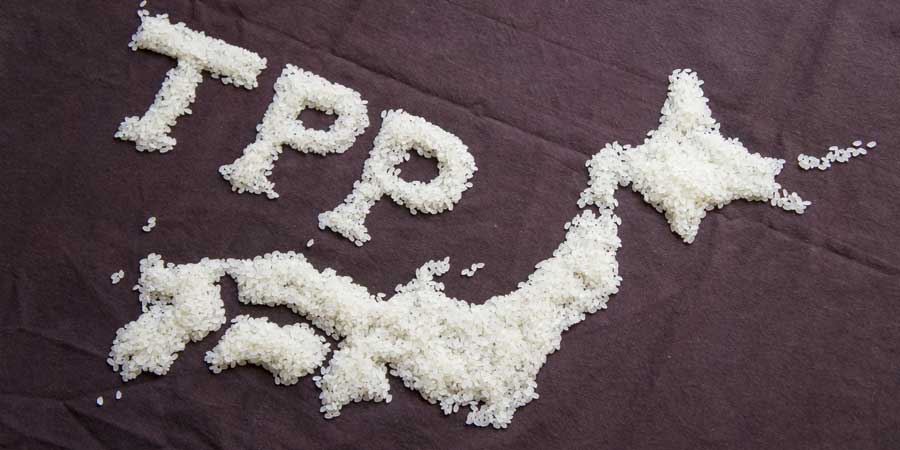
TPP a Disaster for Natural Health


TPP Deal Finally Revealed

Details of the long-secret Trans-Pacific Partnership are public at last: it will undermine the safety of our food supply, make medicine more expensive, and give power to the biotech monopoly. Action Alert!

A few weeks ago, the full text of the Trans-Pacific Partnership (TPP) trade deal was finally released after many years of closed-door negotiations between officials from the US and eleven other countries, all of whom border the Pacific Ocean. Its provisions were apparently kept secret from all but the biotech and pharmaceutical industries.

Leaked documents during the trade negotiations provided reason to be concerned about the final agreement. And now, a review of the deal’s twenty-nine chapters and five thousand pages proves these early concerns were completely justified. The final package now awaits a vote in Congress, which is likely to take place in Spring 2016.

Here are some of the most pressing concerns for natural health advocates:

It Undermines the Safety of the Food Supply


The TPP contains a number of provisions that threaten current food safety laws.

Generally speaking, passage of the TPP would mean that any US food safety law concerning things like pesticides, food additives, or labeling that is more stringent than “international standards” may be considered an “illegal barrier” to trade, and subject to enforcement. We have learned to beware of such “international standards.” They are largely determined by global special interests.

The TPP expands corporate power in other ways. The deal includes an investor-state dispute settlement (ISDS) system in which multinational corporations can challenge a host company’s regulations in an international court. ISDS has been a fixture in other trade treaties, including NAFTA (the North Atlantic Free Trade Agreement), and has been used to challenge countries’ economic policies, anti-smoking efforts, and environmental preservation laws. It is another giveaway to Big Food and other powerful multinational interests—a recurring theme throughout the TPP document.
The trade agreement also undercuts US efforts to inspect food imports. The agreement limits food import inspections at the border “to what is reasonable and necessary,” and if an issue arises, a country must also provide an “opportunity for a review of the decision.” This provision, referred to as the Rapid Response Mechanism, may give exporting countries the right to challenge basic food safety provisions in the US.

It Gives New Patent Protections to Big Pharma


The TPP contains an entire chapter on intellectual property rights, with many provisions relating to pharmaceutical patents. No doubt heavily influenced by the pharmaceutical industry, the trade deal will force signatory countries to accept many of the same patent laws that have kept drug prices so astronomically high in the US.

The deal would extend and broaden certain patent and data protections for the pharmaceutical industry, which Big Pharma can then use to keep prices high and delay competition from generics. It is a wonderful gift to the pharmaceutical industry—but a grave loss to patients in developing countries looking for access to affordable drugs.

The TPP also allows a practice known as “evergreening,” which lets drug companies extend a patent on an old drug when it can be used to treat a new condition—another boon for Big Pharma’s monopoly power.

Even when Big Pharma loses in the TPP, it wins. One of the more controversial topics in TPP negotiations concerned patent and data protections for biologic drugs—medicines derived not from inert chemical compounds but from living organisms. Big Pharma wanted twelve years of exclusivity— they already have this in the US—and US trade officials pushed hard in the negotiations to make this the standard. Instead, the deal grants them at least five years of exclusivity and as much as eight.

It’s Also a Gift to Biotech Seed Companies


Finally, the TPP deal expands biotech’s monopoly over the seed industry. The deal requires all twelve countries to join a number of global intellectual property treaties. One of these treaties is the 1991 International Convention for the Protection of New Varieties of Plants (UPOV91), which emphasizes the rights of seed companies over farmers. Among other things, UPOV91:

  • Requires intellectual property (IP) protection for all plant species;
  • Provides IP protection for 20 to 25 years; and
  • Stops farmers from exchanging seeds—a common and important practice in many developing nations and indeed throughout human history.

In countries that have not already turned agriculture over to the biotech industry, this could mean a substantial rewrite of regulations meant to protect farmers.

Other treaties that signatory countries are compelled to join make it easier to apply for patents—making it very likely that more plants and seeds will be patented.

If these gifts to industry were not enough, President Obama moved earlier this summer to have the deal “fast-tracked”—that is, Congress will be given a fixed period to review the agreement, after which time legislators must make a yes/no vote without the possibility of amending the deal. Essentially, it’s “take it or leave it.”

We say: leave it. And if the US does reject it, do not worry about losing the reduction of tariffs that is already included. There will just be a second (and, we hope, a better) version to replace it.
Action Alert! Write to your members of Congress and urge them to oppose the TPP deal, which undermines consumers and farmers and extends monopoly rights to major industries. Please send your message immediately.


Take-Action


Monday, November 30, 2015

Currently about 50 million Americans meet the USDA criteria for food insecurity. About 15 million of them are children.


(Brandon Warren / Flickr)

American Hunger-Related Healthcare Costs Exceeded $160 Billion in 2014, According to New Study

Food insecurity, especially for children, remains near record high despite the Great Recession’s official end.

BY Elizabeth Grossman
Currently about 50 million Americans meet the USDA criteria for food insecurity. About 15 million of them are children.

While the official end of the Great Recession is a full five years behind us, there are now nearly 12 million more Americans who lack enough resources to access adequate food than there were in 2007, a number that has only improved slightly since United States food insecurity peaked at over 21 percent in 2009. These statistics alone are disturbing. But as detailed in a new study released today as part of Bread for the World Institute’s 2016 Hunger Report, absence of food security in the U.S. carries enormous healthcare costs, more than $160 billion in 2014.

Using data from the U.S. Department of Agriculture (USDA), Census Bureau and research on food security published in peer-reviewed academic journals between 2005 and 2015, a team of researchers led by Boston University School of Medicine associate professor of pediatrics John Cook, estimated these health care costs by looking at the costs of treating diseases and health conditions associated with household food insecurity plus earnings lost when people took time off work because of these illnesses or to care for family members with illnesses related to food insecurity.

As Cook, who is also research scientist and principal investigator with Children’s Health Watch, explained to In These Times, lack of access to adequate food does not necessarily directly cause a particular illness but “plays a role in that disease occurring.” Years of research consistently shows food insecurity increases the risk for a range of health problems. These risks are particularly great for children but poor and inadequate nutrition also increases risk for adult health problems, including obesity and chronic diseases, among them diabetes, hypertension and cardiovascular disease. It also exacerbates illness duration and severity–in some cases simply because people lack money for medication–and therefore treatment costs.

Putting this in a broader economic context, Bread for the World Institute points out that the U.S. “spends more per capita on health care than any other high-income country but compares poorly with these others on key population health indicators such as life expectancy and child survival. This is due,” report authors, “in part to our tolerance as a nation, for higher levels of poverty and hunger.”

Currently about 50 million Americans meet the USDA criteria for food insecurity. About 15 million of them are children. In 2014, 19.2 percent of U.S. households with children were food 
insecure–about a third higher than households without. The Boston University research team found if the costs of special education for children whose learning abilities are adversely affected by food insecurity are factored in along with related education impacts for high-schoolers, the $160 billion rose by an additional  nearly $18 billion. This brings a total estimate of direct and indirect health care costs of U.S. food insecurity in 2014 to $178.93 billion.


Read More Here

AquaBounty’s genetically modified (GMO) salmon facing further backlash from national grocery stores and restaurant chains : Costco and Red Lobster Say No to GMO Salmon


Costco and Red Lobster Say No to GMO Salmon

| November 25, 2015 9:21 am |
 
 
The U.S. Food and Drug Administration’s (FDA) controversial approval of AquaBounty’s genetically modified (GMO) salmon has garnered further backlash from national grocery stores and restaurant chains.

Costco, the second largest retailer in the world with 487 stores and one of the largest retailers of salmon and seafood in the U.S., has made a firm commitment not to sell GMO salmon.


gmosalmonfight750


“Although the FDA has approved the sale of GM salmon, Costco has not sold and does not intend to sell GM salmon at this time,” the company said in a statement.

Costco’s move to reject GMO salmon comes after vehement opposition from anti-GMO activists.
According to a statement from Friends of the Earth, Walmart and Publix are among the last remaining large retail grocers in the U.S. that have not yet rejected GMO salmon.

“The market is rejecting GMO salmon. Stores won’t sell it and people don’t want to eat it,” said Friends of the Earth Campaigner Dana Perls. “Now other retailers like Walmart and restaurants need to follow suit, and we need mandatory GMO labeling so that consumers know how to avoid GMO salmon.”

More than 60 grocery store chains representing more than 9,000 stores across the U.S. have made commitments to not sell GMO salmon, including Safeway, Kroger, Target, Trader Joe’s, Whole Foods, Aldi and many others.

The nation’s largest seafood restaurant is also denying GMO salmon. Red Lobster, with 705 North American locations and more than 40 internationally, told the Dallas Morning News that it would not sell GMO salmon last Friday.

Incidentally, consumers might not even know they’re eating GMO salmon. AquaBounty’s salmon, which is genetically altered to grow to market size in half the time of conventional salmon, will not require a GMO label under FDA guidelines.

It’s unclear if we’ll  ever see labels for genetically altered food, period—not just salmon. Currently, the hotly contested Safe and Accurate Food Labeling Act—dubbed by opponents as the Denying Americans the Right to Know Act or DARK Actlanguishes in the Senate.

The act, H.R. 1599, which passed the House of Representatives in July, bans states from issuing mandatory labeling laws for foods containing GMOs. The bill gives the FDA the authority to establish national standards and regulations for GMO food. The Department of Agriculture would be granted full discretion over the law’s implementation.


Read More Here

Profit over People : Why the United States Leaves Deadly Chemicals on the Market


Why the United States Leaves Deadly Chemicals on the Market

November 21, 2015  
By Valerie Brown and Elizabeth Grossman

chemical_industry_influencing_regulation.jpg_850_593


Scientists are trained to express themselves rationally. They avoid personal attacks when they disagree. But some scientific arguments become so polarized that tempers fray. There may even be shouting.

Such is the current state of affairs between two camps of scientists: health effects researchers and regulatory toxicologists. Both groups study the effects of chemical exposures in humans. Both groups have publicly used terms like “irrelevant,” “arbitrary,” “unfounded” and “contrary to all accumulated physiological understanding” to describe the other’s work. Privately, the language becomes even harsher, with phrases such as “a pseudoscience,” “a religion” and “rigged.”


The rift centers around the best way to measure the health effects of chemical exposures. The regulatory toxicologists typically rely on computer simulations called “physiologically based pharmacokinetic” (PBPK) modeling. The health effects researchers—endocrinologists, developmental biologists and epidemiologists, among others—draw their conclusions from direct observations of how chemicals actually affect living things.

The debate may sound arcane, but the outcome could directly affect your health. It will shape how government agencies regulate chemicals for decades to come: how toxic waste sites are cleaned up, how pesticides are regulated, how workers are protected from toxic exposure and what chemicals are permitted in household items. Those decisions will profoundly affect public health: the rates at which we suffer cancer, diabetes, obesity, infertility, and neurological problems like attention disorders and lowered IQ.

The link from certain chemicals to these health effects is real. In a paper published earlier this year, a group of leading endocrinologists concluded with 99 percent certainty that environmental exposure to hormone-disrupting chemicals causes health problems. They estimate that this costs the European Union healthcare system about $175 billion a year.

Closer to home, Americans are routinely sickened by toxic chemicals whose health effects have been long known. To cite one infamous example, people exposed to the known carcinogen formaldehyde in FEMA trailers after Hurricane Katrina suffered headaches, nosebleeds and difficulty breathing. Dozens of cancer cases were later reported. Then there are workplace exposures, which federal government estimates link to as many as 20,000 cancer deaths a year and hundreds of thousands of illnesses.

“We are drowning our world in untested and unsafe chemicals, and the price we are paying in terms of our reproductive health is of serious concern,” wrote the International Federation of Gynecology and Obstetrics in a statement released on October 1.

Yet chemical regulation in the United States has proceeded at a glacial pace. And corporate profit is at the heart of the story.

That the chemical industry exerts political influence is well documented. What our investigation reveals is that, 30 years ago, corporate interests began to control not just the political process but the science itself. Industry not only funds research to cast doubt on known environmental health hazards; it has also shaped an entire field of science—regulatory toxicology—to downplay the risk of toxic chemicals.

Our investigation traces this web of influence to a group of scientists working for the Department of Defense (DOD) in the 1970s and 1980s—the pioneers of PBPK modeling. It quickly became clear that this type of modeling could be manipulated to minimize the appearance of chemical risk. PBPK methodology has subsequently been advanced by at least two generations of researchers—including many from the original DOD group—who move between industry, government agencies and industry-backed research groups, often with little or no transparency.

The result is that chemicals known to be harmful to human health remain largely unregulated in the United States—often with deadly results. For chemicals whose hazards are just now being recognized, such as the common plastics ingredient bisphenol A (BPA) and other , this lack of regulation is likely to continue unless the federal chemical review process becomes more transparent and relies less heavily on PBPK modeling.

Here we lay out the players, the dueling paradigms and the high-stakes health consequences of getting it wrong.

The dawn of PBPK simulation


The 1970s and 1980s saw a blizzard of environmental regulation. The Clean Air Act, Clean Water Act and Toxic Substances Control Act, along with the laws that established Superfund and Community Right-to-Know Programs, for the first time required companies— and military bases—using and producing chemicals to account for their environmental and health impacts. This meant greater demand for chemical risk assessments as the Occupational Safety and Health Administration (OSHA) and the Environmental Protection Agency (EPA) began to establish safety standards for workplace exposures and environmental cleanups.

In the 1980s, the now-defunct Toxic Hazards Research Unit at the Wright-Patterson Air Force Base in Dayton, Ohio, was investigating the toxicity and health effects of chemicals used by the military. Of particular concern to the DOD were the many compounds used by the military to build, service and maintain aircraft, vehicles and other machinery: fuels and fuel additives, solvents, coatings and adhesives. The military is responsible for about 900 of the approximately 1,300 currently listed Superfund sites, many of which have been contaminated by these chemicals for decades.

In the mid-1980s, scientists at the Wright-Patterson Toxic Hazards Research Unit began using PBPK simulations to track how chemicals move through the body. Known as in silico (in computers) models, these are an alternative to testing chemicals in vivo (in live animals) or in vitro (in a test tube). They allow scientists to estimate what concentrations of a chemical (or its breakdown products) end up in a particular organ or type of tissue, and how long they take to exit the body. The information can then be correlated with experimental data to set exposure limits—or not.
PBPK simulations made testing faster and cheaper, something attractive to both industry and regulators. But the PBPK model has drawbacks. “It tells you nothing about effects,” says Linda Birnbaum, director of both the National Institute of Environmental Health Sciences (NIEHS) and National Toxicology Program (NTP). Observational studies and laboratory experiments, on the other hand, are designed to discover how a chemical affects biological processes.

Even regulatory toxicologists who support PBPK acknowledge its limitations: “[PBPK models] are always going to be limited by the quality of the data that go into them,” says toxicologist James Lamb, who worked for the NTP and EPA in the 1980s and is now principal scientist at the consulting firm Exponent.

The late health effects researcher Louis Guillette, a professor at the Medical University of South Carolina famous for studies on DDT’s hormonedisrupting effects in Florida alligators, put it more bluntly: “PBPK? My immediate response: Junk in, junk out. The take-home is that most of the models [are] only as good as your understanding of the complexity of the system.”

Many biologists say PBPK-based risk assessments begin with assumptions that are too narrow, and thus often fail to fully capture how a chemical exposure can affect health. For example, a series of PBPK studies and reviews by toxicologist Justin Teeguarden of the Pacific Northwest National Laboratory in Richland, Wash., and his colleagues suggested that BPA breaks down into less harmful compounds and exits the body so rapidly that it is essentially harmless. Their research began with certain assumptions: that BPA only mimics estrogen weakly, that it affects only the body’s estrogen system, and that 90 percent of BPA exposure is through digestion of food and beverages. However, health effects research has shown that BPA mimics estrogen closely, can affect the body’s androgen and thyroid hormone systems, and can enter the body via pathways like the skin and the tissues of the mouth. When PBPK models fail to include this evidence, they tend to underestimate risk.

Because of its reliance on whatever data are included, PBPK modeling can be deliberately manipulated to produce desired outcomes. Or, as University of Notre Dame biologist Kristin Shrader-Frechette, who specializes in human health risk assessment, says: “Models can offer a means of avoiding the conclusions derived from actual experiments.” In other words, PBPK models can be customized to provide results that work to industry’s advantage.

That’s not to say PBPK itself is to blame. “Let’s not throw the baby out completely with the bathwater,” says New York University associate professor of environmental medicine and health policy Leo Trasande. “However, when you have biology telling you there are basic flaws in the model, that’s a compelling reason that it’s time for a paradigm shift.”

A handy tool for industry


That PBPK studies could be used to make chemicals appear safer was as clear in the 1980s as it is now. In a 1988 paper touting the new technique, Wright-Patterson scientists explained how their modeling had prompted the EPA to stop its regulation process for a chemical of great concern to the military: methylene chloride.

Methylene chloride is widely used as a solvent and as an ingredient in making plastics, pharmaceuticals, pesticides and other industrial products. By the 1990s, the U.S. military would be the country’s second greatest user. Methylene chloride was—and remains—regulated under the Clean Air Act as a hazardous air pollutant because of its carcinogenic and neurotoxic effects.

Between 1985 and 1986, the National Institute for Occupational Safety and Health estimated that about 1 million workers a year were exposed to methylene chloride, and the EPA classified the compound as a “probable human carcinogen.” A number of unions, including United Auto Workers and United Steelworkers, also petitioned OSHA to limit on-the-job exposure to methylene chloride.
In 1986, OSHA began the process of setting occupational exposure limits. Stakeholders were invited to submit public comments.

Among the materials submitted was a PBPK study by Melvin Andersen, Harvey Clewell—both then working at Wright-Patterson—and several other scientists, including two employed by methylene chloride product manufacturer Dow Chemical. Published in 1987, this study concluded,

“Conventional risk analyses greatly overestimate the risk in humans exposed to low concentrations [of methylene chloride].”

Later that year, the EPA revised its previous health assessment of methylene chloride, citing the Wright-Patterson study to conclude that the chemical was nine times less risky than previously estimated. The EPA “has halted its rulemaking on methylene chloride [based on our studies],” wrote Wright-Patterson scientists in 1988.

OSHA, too, considered the Wright-Patterson study in its methylene chloride assessment—and its rulemaking dragged on another 10 years before the agency finally limited exposure to the chemical.
The usefulness of PBPK modeling to industry did not escape the Wright-Patterson researchers. “The potential impact,” wrote Andersen, Clewell and their colleagues in 1988, “is far reaching and not limited to methylene chloride.” Using PBPK models to set exposure limits could help avoid setting “excessively conservative”—i.e., protective— limits that could lead to “unnecessary expensive controls” and place “constraints on important industrial processes.” In other words, PBPK models could be used to set less-stringent environmental and health standards, and save industry money.
So far, they’ve been proven right. The work done at Wright-Patterson set the stage for the next 30-plus years. Results obtained using PBPK modeling—especially in industry-funded research, often conducted by former Wright-Patterson scientists—have downplayed the risk and delayed the regulation of numerous widely used and commercially lucrative chemicals. These include formaldehyde, styrene, tricholorethylene, BPA and the pesticide chlorpyrifos. For many such chemicals, PBPK studies contradict what actual biological experiments conclude. Regulators often defer to the PBPK studies anyway.

A web of influence


At the time that PBPK modelling was being developed, the chemical industry was struggling with its public image. The Bhopal, India, disaster—the methyl isocyanate release that killed and injured thousands—happened in 1984. The following year, a toxic gas release at a West Virginia Union Carbide plant sent about 135 people to hospitals.

In response to these incidents, new federal regulations required companies to account for the storage, use and release of hazardous chemicals. The minutes from a May 1988 Chemical Manufacturers Association (CMA) meeting show industry was feeling the pressure. Noting the federal scrutiny and the growing testing requirements, the CMA recommended that industry help “develop exposure data” and “explore innovative ways to limit required testing to that which is needed.”

Industry had already begun to do this by founding a number of research institutes such as the Chemical Industry Institute of Toxicology (CIIT), a nonprofit toxicology research institute (renamed the Hamner Institutes in an act of linguistic detoxification in 2007). This period also saw the rise of for-profit consulting firms like Environ (1982), Gradient (1985), ChemRisk (1985) and K.S. Crump and Company (1986), with which industry would collaborate advantageously in the following decades.

“Our goal was to do the science that would help the EPA and other regulatory bodies make the policies,” explained William Greenlee, Hamner president and CEO, in an interview for a business website. Indeed, over the past 30 years, Hamner and these consultancies have produced hundreds of PBPK studies, often with the support of chemical companies or trade groups. Overwhelmingly, these studies downplay or cast doubt on chemicals’ health effects—and delay regulation.

“I have seen how scientists from the Hamner Institutes can present information in a way that carefully shapes or controls a narrative,” says Laura Vandenberg, an assistant professor of environmental health sciences at University of Massachusetts Amherst. She explains that Hamner scientists often use narrow time windows or present data in a limited context, rejecting information that does not conform to their models. “These are the kinds of tactics used to manufacture doubt,” she says.

A close look at the authors of studies produced by these industry-linked research groups reveals a web of influence traceable to Wright-Patterson (see chart on following page). At least 10 researchers employed at or contracted by Wright-Patterson in the 1980s went on to careers in toxicology at CIIT/Hamner, for-profit consulting firms or the EPA. About half have held senior positions at Hamner, including the co-authors of many of the early Wright-Patterson PBPK studies: Melvin Anderson, now a chief scientific officer at Hamner, and Harvey Clewell, now a senior investigator at Hamner and principal scientist at the consulting firm ENVIRON. “I’m probably given credit as the person who brought PBPK into toxicology and risk assessment,” Andersen told In These Times.

A revolving door between these industry-affiliated groups and federal regulators was also set in motion. More than a dozen researchers have moved from the EPA to these for-profit consultancies; a similar number have gone in the other direction, ending up at the EPA or other federal agencies.
Further blurring the public-private line, CIIT/Hamner has received millions of dollars in both industry and taxpayer money. The group stated on its website in 2007 that $18 million of its $21.5 million annual operating budget came from the “chemical and pharmaceutical industry.” Information about its corporate funders is no longer detailed there, but Hamner has previously listed as clients and supporters the American Chemistry Council (formerly the CMA, and one of the most powerful lobbyists against chemical regulation), American Petroleum Institute, BASF, Bayer CropScience, Dow, ExxonMobil, Chevron and the Formaldehyde Council. At the same time, over the past 30 years, CIIT/Hamner has received nearly $160 million in grants and contracts from the EPA, DOD and Department of Health and Human Services. In sum, since the 1980s, these federal agencies have awarded hundreds of millions of dollars to industry-affiliated research institutes like Hamner.

But the federal reliance on industry-linked researchers extends further. Since 2000, the EPA has signed a number of cooperative research agreements with the ACC and CIIT/ Hamner. All involve chemical toxicity research that includes PBPK modeling. And in 2014, Hamner outlined additional research it will be conducting for the EPA’s next generation of chemical testing—the ToxCast and Tox21 programs. Over the past five years, Hamner has received funding for this same research from the ACC and Dow.

Meanwhile, the EPA regularly contracts with for-profit consultancies to perform risk assessments, assemble peer review panels and select the scientific literature used in chemical evaluations. This gives these private organizations considerable sway in the decision-making process, often with little transparency about ties to chemical manufacturers. The upshot: Experts selected to oversee chemical regulation often overrepresent the industry perspective.

These cozy relationships have not gone unnoticed; the EPA has been called to task by both its own Office of Inspector General and by the U.S. Government Accountability Office. “These arrangements have raised concerns that ACC or its members could potentially influence, or appear to influence, the scientific results that may be used to make future regulatory decisions,” wrote the GAO in a 2005 report.

Asked for comment by In These Times, the EPA said these arrangements do not present conflicts of interest.

Decades of deadly delay


PBPK studies have stalled the regulation of numerous chemicals. In each case, narrowly focused models developed by industry-supported research concluded that risks were lower than previously estimated or were not of concern at likely exposure levels.

Take, for example, methylene chloride, the subject of the 1987 paper Wright-Patterson scientists bragged had halted the EPA’s regulatory process. Despite the chemical being identified as “probably carcinogenic to humans” by the U.N. International Agency for Research on Cancer, a “reasonably anticipated” human carcinogen by the U.S. National Toxicology Program, and an “occupational carcinogen” by OSHA, the EPA has yet to limit its use. EPA researchers noted this year that the 1987 PBPK model by the Wright-Patterson scientists remains the basis for the agency’s risk assessment.
Today, methylene chloride remains in use—to produce electronics, pesticides, plastics and synthetic fabrics, and in paint and varnish strippers. The Consumer Product Safety Commission, OSHA and NIOSH have issued health warnings, and the FDA bars methylene chloride from cosmetics— but no U.S. agency has totally banned the chemical. The EPA estimates that some 230,000 workers are exposed directly each year. According to OSHA, between 2000 and 2012, at least 14 people died in the United States of asphyxiation or heart failure after using methylene chloride-containing products to refinish bathtubs. The Center for Public Integrity reports that methylene chloride exposure prompted more than 2,700 calls to U.S. poison control centers between 2008 and 2013.

Another telling example of industry-funded PBPK studies’ influence is formaldehyde. This chemical remains largely unrestricted in the United States, despite being a well-recognized respiratory and neurological toxicant linked to nasal cancer and leukemia, as well as to allergic reactions and skin irritation. The EPA’s toxicological review of formaldehyde, begun in 1990, remains incomplete, in no small part because of delays prompted by the introduction of studies—including PBPK models conducted by CIIT/Hamner—questioning its link to leukemia.

If that link is considered weak or uncertain, that means formaldehyde—or the companies that employ the sickened workers—won’t be held responsible for the disease. The chemical industry is well aware that “more people have leukemia … than have nasal tumors,” says recently retired NIEHS toxicologist James Huff.

Some of this CIIT/Hamner research was conducted between 2000 and 2005 with funding from an $18,750,000 EPA grant. In 2010, Hamner received $5 million from Dow, a formaldehydeproduct manufacturer, for toxicity testing, including PBPK modeling. The ACC, which opposes formaldehyde restriction, also supported this research.

Consequently, apart from a few state regulations and a pending EPA proposal to limit formaldehyde emissions from composite wood products like plywood, companies can still use the chemical—as in the FEMA trailers.

Cosmetics and personal-care products can also be sources of formaldehyde exposure. This made headlines in 2011 after hair salon workers using a smoothing product called Brazilian Blowout reported nausea, sore throats, rashes, chronic sinus infections, asthma-like symptoms, bloody noses, dizziness and other neurological effects. “You can’t see it … but you feel it in your eyes and it gives you a high,” salon owner and hair stylist Cortney Tanner tells In These Times. “They don’t teach this stuff in beauty school,” she says, and no one warns stylists about these products or even suggests using a ventilator.

OSHA has issued a hazard alert for these products and the FDA has issued multiple warnings, most recently in September, but regulations prevent federal agencies from pulling the products from store shelves. So, for formaldehyde, as in the case of the paint strippers containing methylene chloride, exposures continue.

BPA rings alarm bells
 
The chemical currently at the center of the most heated debates about consumer exposure is BPA. The building block of polycarbonate plastics, BPA is used in countless products, including the resins that line food cans and coat the thermal receipt paper at cash registers and ATMs. While scientific evidence of adverse health effects from environmentally typical levels of BPA mounts, and many manufacturers and retailers have responded to public concern by changing their products, federal regulatory authorities still resist restricting the chemical’s use.

BPA does not produce immediate, acute effects, like those experienced by salon workers exposed to formaldehyde or machinists working with methylene chloride. But in laboratory tests on animals, BPA is a known endocrine disruptor. Structurally similar to natural hormones, endocrine disruptors can interfere with normal cellular processes and trigger abnormal biochemical responses. These can prompt numerous health problems, including cancer, infertility, and metabolic and neurological disorders. BPA has also been linked to increased risk of cardiovascular disease, diabetes and obesity.
To promote the idea that BPA is safe, the chemical industry routinely lobbies policymakers and “educates” consumers. What has not been widely discussed, however, is how industry has backed PBPK studies that marginalized research showing risks from environmentally typical levels of BPA. Many of these doubt-inducing studies have been conducted by researchers whose careers can be linked to the PBPK work done at Wright-Patterson. In published critiques, health effects researchers—among them Gail Prins and Wade Welshons—have detailed the many ways in which these PBPK models fail to accurately reflect BPA exposure.

PBPK and endocrine disruption
 
Over the past several decades, our evolving understanding of our bodies’ responses to chemicals has challenged previous toxicological assumptions— including those that are fed into PBPK models. This is particularly true of endocrine disruptors.

Cause-and-effect relationships between endocrine disruptors and health problems can be hard to pinpoint. We now know that early—even prenatal— exposure to endocrine disruptors can set the stage for adult disease. In addition, a pregnant woman’s exposures may affect not only her children but also her grandchildren. These transgenerational effects have been documented in animal experiments. The classic human evidence came from victims of DES, a drug prescribed in the 1940s, 1950s and 1960s to prevent miscarriages. Daughters of women who took the endocrine disruptor developed reproductive cancers, and preliminary research suggests their daughters may be at greater risk for cancer and other reproductive problems.

“The transgenerational work raises an incredible specter,” says Andrea Gore, who holds the Vacek Chair in Pharmacology at the University of Texas at Austin and edits the influential journal Endocrinology. “It’s not just what you’re exposed to now, it’s what your ancestors were exposed to.”
Complicating PBPK modeling further, hormone-mimicking chemicals, just like hormones, can have biological effects at concentrations as low as parts per trillion. In addition, environmental exposures most often occur as mixtures, rather than in isolation. And each individual may respond differently.
“PBPK doesn’t come close” to capturing the reality of endocrine disruption, the late developmental biologist Louis Guillette told In These Times, in part because modelers are “still asking questions about one chemical exposure with one route of exposure.” Even for health effects researchers, understanding of mixtures’ effects is in its infancy.

The debate over how endocrine disruption can be represented in PBPK models has intensified the unease between regulatory toxicologists and health effects researchers. That tension is particularly well-illustrated by a recent series of events that also reveal how some journal editors privilege the industry’s point of view.

A life-and-death debate


In February 2012 the World Health Organization (WHO) and the U.N. Environment Programme (UNEP) published a report intended to inform regulation worldwide. The authors were an international group of health effects researchers with long experience studying endocrine disruption.
“There is an increasing burden of disease across the globe in which [endocrine disruptors] are likely playing an important role, and future generations may also be affected,” said the report. These diseases, it continued, are being seen in humans and wildlife, and include male and female reproductive disorders, changes in the numbers of male and female babies born, thyroid and adrenal gland disorders, hormone-related cancers and neurodevelopmental diseases.

The backlash from toxicologists was immediate. Over the next few months—as the EU prepared to begin its regulatory decision-making on endocrine disruptors—the editors of 14 toxicology journals each published an identical commentary harshly criticizing the WHO/UNEP conclusions.
The commentary included a letter from more than 70 toxicologists urging the EU not to adopt the endocrine disruption framework. The letter said that the WHO/UNEP report could not be allowed to inform policy because its science is “contrary to all accumulated physiological understanding.”
This commentary was followed by further attacks. One critique, published in the journal Critical Reviews in Toxicology, was funded and vetted by the ACC.

These commentaries infuriated health effects researchers. Twenty endocrine journal editors, 28 associate editors and 56 other scientists—including several WHO/UNEP report authors—signed a statement in Endocrinology, saying in part:

The dismissive approach to endocrine disruption science put forth … is unfounded, as it is [not] based on the fundamental principles of how the endocrine system works and how chemicals can interfere with its normal function.

Endocrinology editor Andrea Gore tells In These Times that she and other health effects researchers don’t think the scientifically demonstrated dangers of endocrine disruptors are subject to debate. “There are fundamental differences between regulatory toxicologists and what I refer to as ‘people who understand the endocrine science.’ ”

The outcome of this debate and the structure of future regulatory toxicity testing in the United States and Europe is not yet clear. The EPA appears to be attempting to incorporate endocrine disruption into PBPK models, but many scientists are skeptical the process will produce reliable results, given the models’ limitations and the complexity of endocrine effects.

From science to activism


Although couched in complex language, these arguments are not academic, but have profound implications for public health. Disorders and diseases, increasingly linked to exposure to endocrine disruptors— including metabolic, reproductive, developmental and neurological problems—are widespread and increasing. About 20 percent of U.S. adults show at least three of the five indicators of metabolic syndrome: obesity, diabetes, high blood pressure, high cholesterol and heart disease. Neurological problems, including behavioral and learning disabilities in children as well as Parkinson’s disease, are increasing rapidly. Fertility rates in both men and women are declining. Globally, the average sperm count has dropped 50 percent in the last 50 years.

Scientists typically shy away from activism, but many now believe it’s what’s needed to punch through the machinations and inertia regarding chemical regulation. Shanna Swan, Mount Sinai professor of preventive medicine, obstetrics, gynecology and reproductive medicine, notes that some of the biggest reductions in chemical exposures have happened in response to consumer pressure on both industry and policymakers. Or, as the University of California’s Bruce Blumberg says, “I think we need to take the fight to the people.”

The Endocrine Society stressed the urgency of addressing these public health impacts in a statement released September 28. Not surprisingly, industry disagreed, calling this science “unsupported” and “still-unproven.”

Meanwhile, PBPK studies continue to succeed in sowing doubt about adverse health effects of endocrine disorders. Their extremely narrow focus leads to narrow conclusions that often result in calls for more research before regulation. In regulatory decisions, “the assumption is that if we don’t know something, it won’t hurt us,” says University of Massachusetts, Amherst professor of biology R. Thomas Zoeller. In other words, the burden of proof remains on health effects researchers to prove harm, not on industry to prove safety—and proving harm is difficult, especially when other scientists are seeding doubt.

But the clock is ticking. As Washington State University geneticist Pat Hunt told In These Times, “If we wait [to make regulatory decisions] for ‘proof’ in the form of compelling human data, it may be too late for us as a species.”

This investigation was supported by the Leonard C. Goodman Institute for Investigative Reporting and published originally in In These Times.

Sunday, November 22, 2015

AquaBounty genetically-modified salmon approved by FDA


AquaBounty has been working on approval for the genetically-modified fish for 20 years

CBC News Posted: Nov 19, 2015 11:27 AM ATLast Updated: Nov 20, 2015 3:25 PM AT
 
Media placeholder
 AquaBounty's salmon are genetically modified to grow twice as fast as regular salmon. (AquaBounty Technologies)
 
 
Genetically-modified salmon approved by FDA 2:25
A genetically modified salmon that grows at twice the rate of regular salmon has been approved as food by the U.S. Food and Drug Administration.

The eggs for the salmon are raised in a facility in the eastern P.E.I. community of Bay Fortune and exported to Panama, where they're grown in above-ground tanks.

 
This is the first genetically modified food animal approved for sale in the world.
"The FDA has thoroughly analyzed and evaluated the data and information submitted by AquaBounty Technologies regarding AquAdvantage Salmon and determined that they have met the regulatory requirements for approval, including that food from the fish is safe to eat," said Bernadette Dunham, director of the FDA's Center for Veterinary Medicine, in a news release.


The Massachusetts-based company AquaBounty Technologies first sought approval for its salmon 20 years ago.

In a news release, the company's CEO Ron Stotish called the product, AquAdvantage Salmon a "game-changer."


Read More Here

Thursday, November 19, 2015

Diabetes, obesity linked to chemical exposure – Endocrine Society


© David Gray
Scientific research has increasingly linked common chemicals found in everyday products to diabetes, obesity, cancer, and other major ailments, according to a new policy statement.
 
Endocrine-disrupting chemicals (EDCs) like bisphenol A and phthalates, found in food can linings, plastics, cosmetics, and pesticides, are common to the point that everyone on Earth has been exposed to one or more. EDCs – which influence the body's natural hormones – mimic, block, or simply interfere with hormone functions, leading to the malformation of cells.

The Endocrine Society now says in a new scientific statement that research in recent years has repeatedly pointed to links between these and other chemicals to not only diabetes and obesity, but infertility and breast cancer.

"In 2015, there is far more conclusive evidence about whether, when, and how endocrine-disrupting chemicals perturb endocrine systems, including in humans," said the Endocrine Society, which includes health specialists involved in EDC research.


READ MORE: TTIP will legalize cancer-causing chemicals banned by EU, trade union warns


"Thus, it is more necessary than ever to minimize further exposures, to identify new endocrine disrupting chemicals as they emerge, and to understand underlying mechanisms in order to develop methods to enable interventions in cases of endocrine disrupting chemical-associated disease. This is especially important because new chemicals may be released into the marketplace without appropriate safety testing."


Read More Here

Toxic Babies: Why Children Increasingly Share Their Parents’ Toxicity and Nutritional Deficiencies

.


Wake Up World
 
 
Baby

10th September 2013
By Raluca Schachter
Contributing Writer for Wake Up World

I have to admit, even the title sounds disturbing! But I believe it’s high time to stop sugar coating the reality we live in. I see in my practice more and more children who share their parents’ nutritional deficiencies and toxicity. Yes, a pure, innocent baby who’s barely starting life is also touched by the harsh environment we live in these days, and parents can pass down their imbalances to their baby.
This article is not supposed to offer a pessimistic view, but rather to help raise awareness, prepare and teach you about how to better take care of your children’s health.
This became really necessary considering that:
  • Environmental toxicity is one of the most important causes of chronic illness in the world today.
  • Heavy metals as well as petrochemicals play an important role in toxic buildup and disease.
  • Every man, woman and child in the United States has at least one petrochemical solvent in their blood stream and likely more than 100.
  • In the past 40 years, every single person tested in the United States has been found to have styrene in their blood…
  • … and given that everyone has styrene in their blood, the excretion of this petrochemical solvent in the urine should also show up on everyone’s test.
  • The most symptomatic and chronically ill individuals are those with poor excretion patterns.
 

How Toxic Is Our World Today?

Over 80,000 man-made chemicals have been added to our environment. Most of them are toxins and a great many are carcinogens and endocrine disrupters. The situation with each passing year grows worse, not better. Toxins now pervade the air we breathe, the water we drink, the food we eat, and the seemingly endless array of body care products — toothpastes, mouthwashes, hair products, makeup, shampoos, soaps, lip balms, body lotions, sun products, etc.
 
 
Read More Here.

Tuesday, November 17, 2015

Obamacare enrollees are reeling from high deductibles


Obamacare (c) Desert Rose Creations / Family Survival Protocol 2013 photo obamacarelogo_zps3de31909.jpg
Obamacare (c) Desert Rose Creations / Family Survival Protocol 2013
........................................................................................................


First, the administration revealed that enrollments for Obamacare next year will barely hit 10 million, far below previous projections.

Then last week, the consulting firm of McKinsey & Company estimated that premiums for policies under the Affordable Care Act, also known as Obamacare, were going up substantially in 2016. For instance, the median rate increase for the lowest priced, highly popular “Silver” plan will rise by 11 percent – compared to just a seven percent increase in 2015.

Related: Millions Face Premium and Deductible Sticker Shock under Obamacare

Now there are troubling reports  that consumers will be facing soaring out-of-pocket costs for deductibles next year – increases that in many cases will neutralize the benefits of their health care plans or discourage some from purchasing coverage.

“That these deductibles are so high is clearly one of the reasons people aren’t buying a plan—they simply don’t see themselves getting anything for the money,” Robert Laszewski, president of Health Policy & Strategy Associates, a business and policy consultant, said in a newsletter on Monday.

Department of Health and Human Services officials insist that there are still plenty of plans available with low premiums for those willing to aggressively shop on the federal and state operated insurance exchanges. Americans have until the end of the year to enroll for the third season of Obamacare. But even in cases where consumers find good deals on premiums, they are likely to be stung on the back end by requirements to pay sizeable out of pocket costs before their Obamacare coverage actually kicks in.

The average annual out-of-pocket costs per worker increased nearly 230 percent between 2006 and 2015, according to an annual survey of employer health benefits coverage by the Kaiser Family Foundation.


Read More Here


................................................................................................

Americans Give Health Insurers a Big Thumbs Down

 
Americans haven’t been this fed up with health insurance companies in a decade, and their frustration likely won’t fade soon.

Consumer satisfaction with health insurance providers fell to the lowest level since 2005, largely due to the slow processing of claims and the rising costs of premiums, deductibles and copays, according to a new survey from the American Customer Satisfaction Index that dates to 2001.


Related: How Workers Are Getting Slammed With Higher Health Care Costs
 

Americans are extremely cost sensitive, especially in the health sector, and take notice of how fast their costs go up, says ACSI managing director David VanAmburg.

Obamacare also plays an indirect role. Providers are unable to keep up with customer service as more people purchase insurance, he says. And many insurers haven’t beefed up their staffing to deal with the increase in demand. As insurers become responsible for more consumers, they may need to recalibrate, VanAmburg says.


Read More Here