Showing posts with label Metabolism. Show all posts

Sunday, December 13, 2015

How Zinc Deficiency Affects The Whole Body


Read More Here

Thursday, October 29, 2015

21 Best Foods To Balance Your Hormones


Your hormones are your body's control system. But in an age when hormone-disrupting chemicals lurk in processed foods, shampoos, and even scented candles and air fresheners, it doesn't take much to throw off that delicate balance. And out-of-whack hormones could affect almost every facet of your health, making it really hard to lose weight, have babies, and even feel happy. Unhealthy hormone levels can even increase your risk of certain cancers and other chronic diseases.
We turned to Natasha Turner, ND, author of the best-selling book, The Super-Charged Hormone Diet (Rodale), to help ID the best hormone-balancing foods nature has to offer—a snapshot of nutritious foods and drinks that can help you achieve hormonal balance, feel satisfied, fight disease, and lose fat.

1. Broccoli
 File:Broccoli geputzt und geschnitten.jpg
Pimpinellus - Wikipedia.org

Broccoli and other cruciferous vegetables like cauliflower, brussels sprouts, kale, and cabbage contain high amounts of phytonutrients called isothiocyanates, including indole-3-carbinol, which helps break down a harmful and potent estrogen metabolite that promotes tumor growth, especially in estrogen-sensitive breast cells. In 2008, researchers at the University of California–Berkeley showed that indole-3-carbinol halts the growth of breast cancer cells and may also offer protection against the spread of cancer.
Dose details: Just 2½ cups of broccoli a week is all you need to reduce your risk of several cancers, particularly those of the breast and prostate.

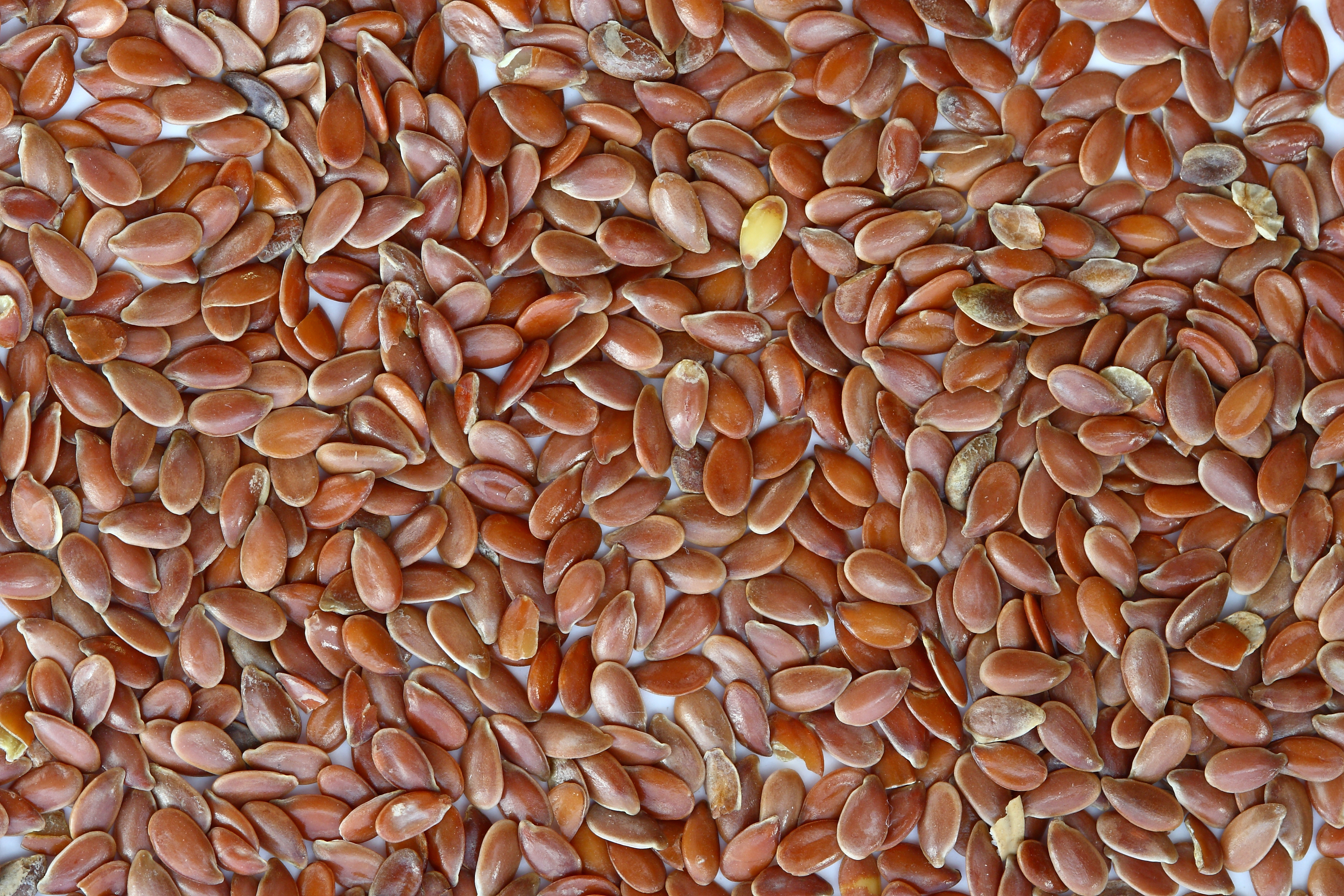
2. Flaxseed
File:Brown Flax Seeds.jpg
Sanjay Acharya - Wikipedia.org  Brown Flax seed
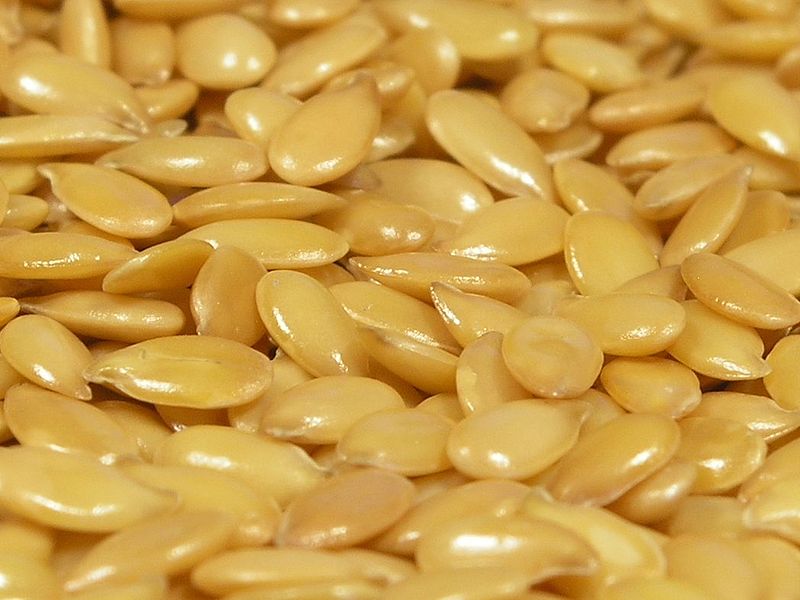
File:Flax seeds.jpg
Rumun999 - Wikipedia.org  Golden Flax seed

Flaxseed is full of lignans, phytoestrogenic compounds that have been proved to help protect us against certain kinds of cancers, especially breast, prostate, and colon.
Dose details: Adding 2 to 3 tablespoons of flaxseed to your smoothies, oatmeal, salads, or cereals daily can reduce your cancer risk and also provide a dose of fiber and essential fatty acids.
Bonus tip: The oils in flaxseed can go rancid quickly, so be sure to purchase ground flaxseed in a vacuum-sealed package and store it in the freezer. Better yet, you can grind your own daily.
Try this: NOW Foods Certified Organic Golden Flax Seeds

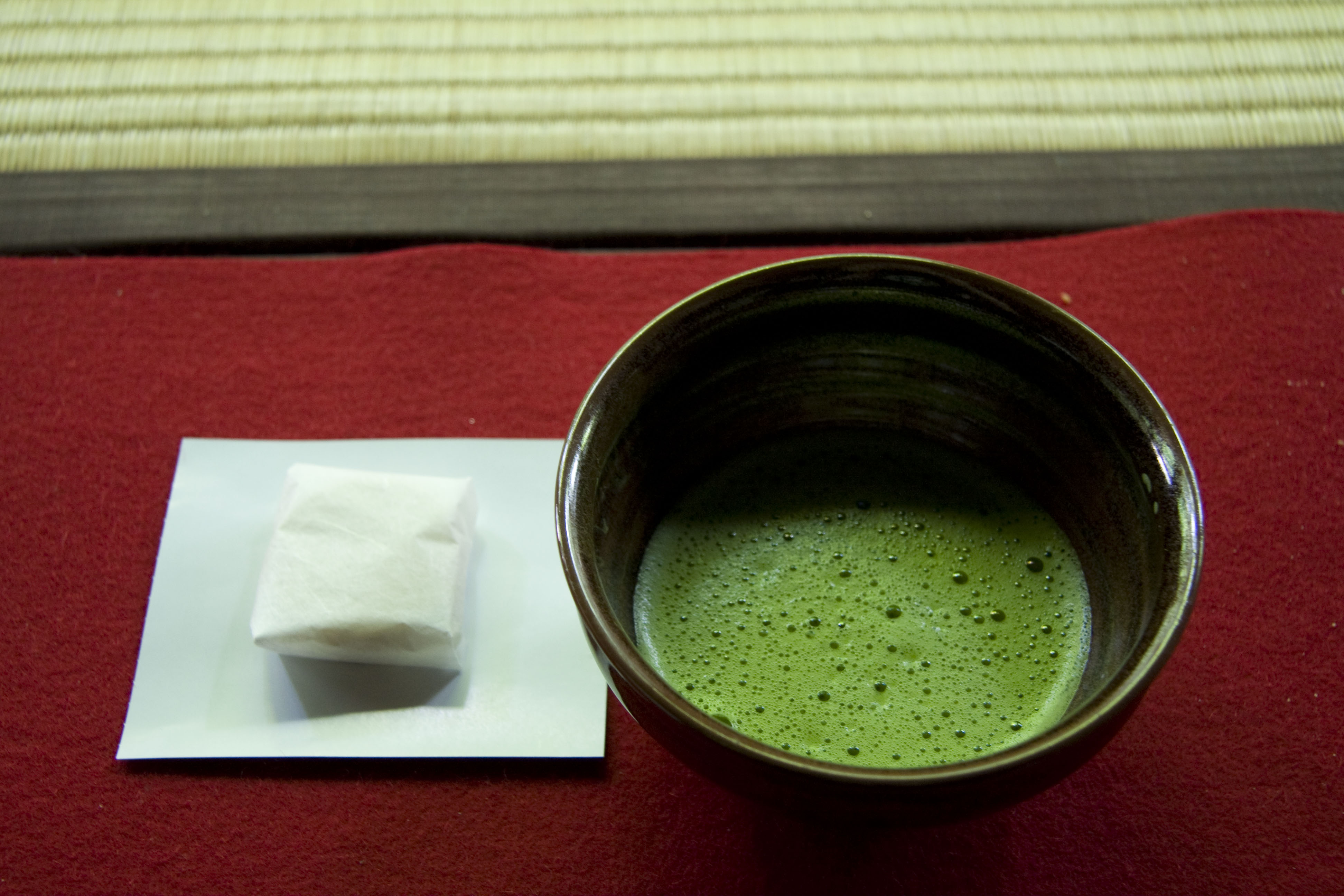
3. Green Tea
File:Nanzenji green tea.jpg
Chris Gladis   Nanzenji green tea  - Wikipedia.org 

A study published in the American Journal of Clinical Nutrition reported that green tea extract could significantly increase metabolism and fat burning. While caffeine does provide an energizing boost, the tea also offers calming effects because it contains theanine, a natural compound that blocks the release of cortisol—great for conquering belly fat.
Dose details: Drink 4 cups of this tasty tea daily, and you can enjoy weight loss, possibly even without a change in diet and exercise.
Try this: Stash Tea Company Organic Premium Green Tea

4. Red Wine
File:Copas-vino.jpg
Amanda Velocet   Artistic view of two glasses of wine
Wikimedia.org

The antioxidant polyphenols found in the skins and seeds of grapes, especially catechins and resveratrol, aid heart health, inhibit inflammation, and help prevent the development of certain cancers. According to researchers from Northwestern University Medical School, many benefits of resveratrol in wine are in fact due to its estrogenic properties. When consumed with or after a meal, red wine is also a good digestive aid.
Dose details: Healthy individuals should limit wine intake to two to three glasses a week. University of California–Davis researchers found that cabernet sauvignon, petit syrah, and pinot noir boasted the highest levels of disease-fighting flavonoids.


5. Extra Virgin Olive Oil

Oliven V1.jpg
Poyraz 72  Extra-virgin olive oil  - Wikimedia.org


When we include them in our daily diet, monounsaturated fats such as those in olive oil encourage the release of our appetite-suppressing hormone leptin. Olive oil, in particular, has been shown to improve our sensitivity to insulin. Another perk? In a 2003 study published in the British Journal of Nutrition, rats fed an olive oil–rich diet broke down more fat cells, compared with the group fed soybean oil. (Soybean oil actually hindered healthy hormone production.)
Dose details: Avoid industrial fats like margarine and use organic extra virgin olive oil instead.
Try this: Bragg Organic Extra Virgin Olive Oil

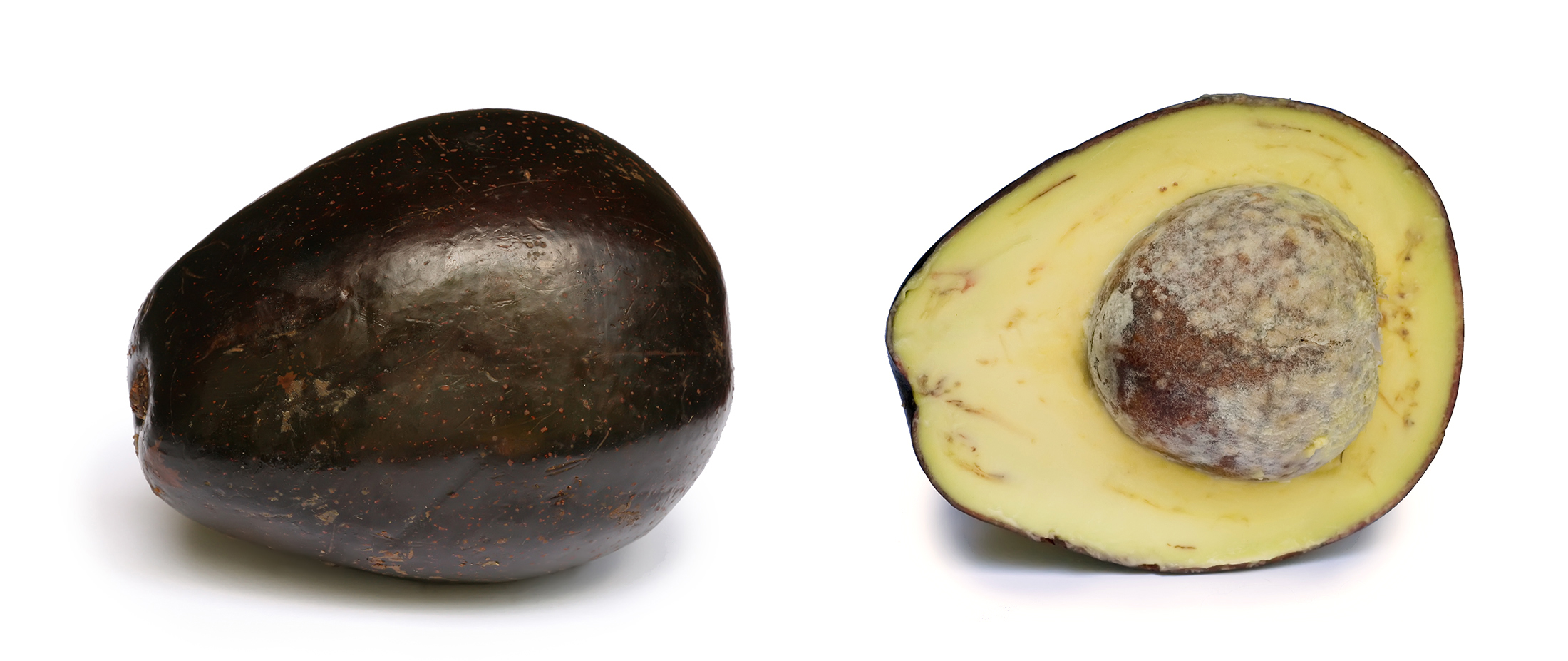
6. Avocados
File:Avocado with cross section edit.jpg

Muhammad Mahdi Karim   Wikipedia.org

Avocados are rich in beta-sitosterol, a natural substance shown to significantly lower blood cholesterol levels. That same compound also helps to balance the stress hormone cortisol, and it may help restore low DHEA (a hormone produced by the adrenal gland) and decrease the inflammation typically associated with the stress of intense exercise.
Dose details: Enjoy a quarter of an avocado per serving.


7. Organic Apples

Apples.jpg
Agricultural Research Service   Wikimedia.org

Apples contain quercetin, a flavonoid antioxidant and natural antihistamine. Like many other flavonoids, quercetin also has phytoestrogenic properties. A large Finnish study following more than 10,000 people for more than 30 years found eating a daily apple reduced the risk of almost every chronic disease associated with aging, including osteoporosis, heart disease, cancer, stroke, and type 2 diabetes.
Dose details: Just like the old saying, try to eat an organic apple a day to keep the doctor away!


8. Chia Seeds
File:Chiajf.JPG
Wikimedia.org

Chia seed is a gluten-free ancient grain that can be added to just about any food. On a per-gram basis, chia seed is touted to contain the highest amount of omega-3s in nature and also the most fiber. Chia's hormonal benefits include stabilizing blood sugar, improving insulin sensitivity, and easing metabolic syndrome symptoms like blood pressure and blood sugar spikes.
Dose details: Just 3½ ounces of chia seed offer an amazing 20 grams of omega-3s, which is equal to the amount in 1¾ pounds of Atlantic salmon.
Try this: Navitas Naturals Organic Raw Chia Seeds


9. Nuts
Nussmischung - Different nuts (19806609979).jpg
Marco Verch - Nussmischung / Different nuts   Wikimedia.org


Like avocados, most nuts are an excellent source of the plant sterol beta-sitosterol. Almonds, in particular, contain protein, fiber, plant sterols, and several other heart-healthy nutrients. Almonds are also known to slow the absorption of carbohydrates in the body, which may help with diabetes management. Research from the University of Texas Health Science Center published in the journal Nutrition showed that walnuts are a source of melatonin, a hormone that promotes better sleep.
Dose details: Just a small handful five times a week will provide an adequate dose of fats that will stimulate leptin release, which helps control your appetite.


10. Non-GMO, Organic Soy
Edensoy Quart Sampler #2
Eden Foods, Inc

Bone density, hormonal balance, and cholesterol levels change as we age, but a daily serving of soy can help lower cholesterol, keep bones strong, improve heart health, protect the prostate, and ease the symptoms of menopause. The therapeutic effects of soy products—when consumed in moderation—come from the phytoestrogens naturally present in soybeans. Research from the University of Illinois also suggests soy protein may help to increase metabolism, manage weight, and limit the growth of fat cells. (Don't go for soy, however, if you've noticed it has caused you gas, bloating, or digestive problems in the past, or if you've had breast cancer.)
Dose details: Just 1 cup of unsweetened, organic soy milk or yogurt, a handful of soy nuts, or a palm-size serving of tempeh can do the trick.
Try this: Westsoy Unsweetened Organic Soymilk

Read More Here

Monday, May 19, 2014

Studies show that Magnesium plays a crucial role in optimizing your metabolism , keeping your risk for type 2 diabetes low, 3,751 magnesium-binding sites on human proteins and is required by more than 300 different enzymes in your body.

Mercola

Low Magnesium May Play Key Role in Insulin Resistance and Diabetes

By Dr. Mercola
Magnesium is the fourth most abundant mineral in your body. If you don’t have enough of it, your body simply cannot function at its best. Insufficient cellular magnesium levels set the stage for deterioration of proper metabolic function that typically snowballs into more significant health problems.
As reported by GreenMedInfo,1 researchers have now detected 3,751 magnesium-binding sites on human proteins, reflecting how important this mineral is to a great many biological processes.
For example, magnesium plays a role in your body's detoxification processes and therefore is important for minimizing damage from environmental chemicals, heavy metals, and other toxins.
Even glutathione, considered by many to be your body's most powerful antioxidant, requires magnesium in order to be produced.
Magnesium also plays roles in preventing migraine headaches, cardiovascular disease (including high blood pressure, heart attacks, and strokes), sudden cardiac death, and even reduces death from all causes.
This important mineral is required by more than 300 different enzymes in your body, which play important roles in the following biochemical processes, many of which are crucial for proper metabolic function:

Creation of ATP (adenosine triphosphate), the energy molecules of your bodyProper formation of bones and teethRelaxation of blood vessels
Action of your heart musclePromotion of proper bowel functionRegulation of blood sugar levels

Low Magnesium Levels Consistently Found in Those with Elevated Insulin

In just the past year, there have been several significant studies about magnesium’s role in keeping your metabolism running like a well-oiled clock—specifically in terms of insulin sensitivity, glucose regulation, and protection from type 2 diabetes. Here are just a few:
  • One 2013 study involving pre-diabetics found that most had inadequate magnesium intake. Those with the highest magnesium intake reduced their risk for blood sugar and metabolic problems by a whopping 71 percent.2
  • An ADA study from October 20133 found that higher magnesium intake reduces risk of impaired glucose and insulin metabolism and slows progression from pre-diabetes to diabetes in middle-aged Americans. Researchers stated, “Magnesium intake may be particularly beneficial in offsetting your risk of developing diabetes, if you are high risk.”
  • In a large Japanese study (the Hisayama Study) published in Diabetic Medicine December 2013, researchers found magnesium intake was a significant protective factor against type 2 diabetes in the general Japanese population, especially among those “with insulin resistance, low-grade inflammation and a drinking habit.”4
  • And in the Framingham Offspring cohort (2006), higher magnesium intake improved insulin sensitivity and reduced type 2 diabetes risk.5

Why Is Magnesium So Critical for Proper Metabolic Function?

The mechanism by which magnesium controls glucose and insulin homeostasis appears to involve two genes responsible for magnesium homeostasis.6 Magnesium is also required to activate tyrosine kinase, an enzyme that functions as an “on” or “off” switch in many cellular functions and is required for the proper function of your insulin receptors.
It is well known that people with insulin resistance also experience increased excretion of magnesium in their urine, which further contributes to diminished magnesium levels. This magnesium loss appears to be secondary to increased urinary glucose, which increases urinary output.7
Therefore, inadequate magnesium intake seems to prompt a vicious cycle of low magnesium levels, elevated insulin and glucose levels, and excess magnesium excretion. In other words, the less magnesium your body has, the less it appears to be able to “hang onto it.8
Rarely do so many studies from around the world find universal agreement on a subject! The evidence is clear: if you want to optimize your metabolism and keep your risk for type 2 diabetes low, one of the things you need to do is consume adequate magnesium. Unfortunately, this is not the norm, as an estimated 80 percent of Americans are magnesium deficient.

Are Your Magnesium Levels Up to Par?

Dietary surveys suggest that the majority of Americans are simply not getting enough magnesium from their diets alone. Other factors that can make you more prone to magnesium deficiency include:

An unhealthy digestive system: which impairs your body's ability to absorb magnesium (Crohn's disease, leaky gut, etc.)Diabetes: especially if poorly controlled, leading to increased magnesium loss in urineAge: older adults are more likely to be magnesium deficient because absorption decreases with age and the elderly are more likely to take medications that can interfere with absorption
Unhealthy kidneys: which contribute to excessive loss of magnesium in the urineAlcoholism:  up to 60 percent of alcoholics have low blood levels of magnesiumCertain medications:  diuretics, antibiotics, and medications used to treat cancer can result in magnesium deficiency

Magnesium Deficiency Can Lead to Heart Arrhythmias, Coronary Spasms, and Seizures

There's no lab test that will give you an accurate reading of the magnesium status in your tissues. The reason for this is that only one percent of the magnesium in your body is found in your blood. Fifty to 60 percent resides in your bones, and the remaining is in your soft tissues. Since most of your magnesium is stored inside your cells and bone rather than in blood plasma, there are no satisfactory blood tests for assessing it.
That said, some specialty labs do provide an RBC magnesium test, which is reasonably accurate. Other tests your doctor may use to evaluate your magnesium status include a 24-hour urine test or a sublingual epithelial test. Still, these can only give you an estimate of your levels, and doctors typically need to evaluate them in light of the symptoms you exhibit. Early signs of magnesium deficiency may include headaches, loss of appetite, nausea, and vomiting, and fatigue or weakness. However, ongoing magnesium deficiency can lead to far more serious symptoms such as:
  • Abnormal heart rhythms and coronary spasms
  • Muscle cramps and contractions
  • Seizures
  • Numbness and tingling
  • Personality changes
In her book, The Magnesium Miracle, Dr. Carolyn Dean lists 100 factors that will help you decide whether or not you might be deficient. You can also follow the instructions in her blog post, “Gauging Magnesium Deficiency Symptoms,”9 which will give you a checklist to go through every few weeks. This will help you gauge how much magnesium you need in order to take away your deficiency symptoms.

Your Best Magnesium Source: REAL Food

Most people can keep their magnesium levels in the therapeutic range without resorting to supplements, simply by eating a varied diet, including plenty of dark-green leafy vegetables. However, it is important to remember that the magnesium content of your foods depends on the richness of magnesium in the soil where they're grown. Most soils are now sorely depleted of nutrients, and for this reason, some magnesium experts, such as Dr. Dean, believe that virtually everyone needs to take supplemental magnesium. Organic foods may have more magnesium if grown in nutrient-rich soils but it is very difficult to make that determination.

Read More Here

.....
One way to really increase your magnesium, as well as many other important plant-based nutrients, is by juicing your greens. I typically drink one pint to one quart of fresh green vegetable juice every day, and this is one of my primary sources of magnesium. An article in GreenMedInfo lists more than 20 foods that are exceptionally high in magnesium, including the following (for the full list, please refer to the original report). All listed portions equate to 100 grams, or just over three ounces:

File:Red Algae on bleached coral.JPG
Red Algae often grows vif coral becomes bleached
By  :  Johnmartindavies
Wikimedia.org

Powdered form
Seaweed, agar, dried (770 mg)
.....
File:A scene of Coriander leaves.JPG
A scene of Coriander (Coriandrum sativum) leaves
By  :  Thamizhpparithi Maari 
Wikimedia .org

Spice, coriander leaf, dried (694 mg)
.....
File:Pumpkin Seeds.jpg
Pumpkin seeds  By  :  Mk2010
Wikimedia.org
Dried pumpkin seeds (535 mg)
.....
File:Cocoa powder.jpg
 A bowl of cocoa powder.  By  :  blair

Wikimedia.org

Cocoa, dry powder, unsweetened (499 mg)

.....
File:Basil-Basilico-Ocimum basilicum-albahaca.jpg
Basil Fresh
Basil Basilico Ocimum basilicum albahaca (Thai Basil)
By  :  Castielli

Wikimedia.org


Dried form

Spices, basil, dried (422 mg)
.....
http://www.vitamedica.com/wp-content/uploads/2012/02/Ground-Flax-Seed.jpg
Whole and Ground Flax Seed
Vita Medica

Flaxseed (392 mg)
.....
File:Sa almonds.jpg
Raw Almonds  By  :  Sanjay ach
Wikimedia.org
...
almond butter

 Almond butter  Recipe  By  :   Hug A Tree With Me

Almond butter (303 mg)
.....
File:Whey powder.jpg
Whey Protein on Diplay at Health Food Store
By  :  Adrem68
Wikipedia.org

http://img2.tradeee.com/photo/11909798/Dried_Milk__Demineralized_Whey_Powder__.jpg
Powdered Whey

Whey, sweet, dried (176 mg)
.....
Enhanced by Zemanta

Thursday, October 3, 2013

Resveratrol ,a chemical found in red wine remains effective at fighting cancer even after the body's metabolism has converted it into other compounds.

File:Vino-atardecer.jpg

Image source  :  Wikimedia . Org
By  jenny downing
***************************************************************


Red Wine Chemical, Resveratrol, Remains Effective Against Cancer After the Body Converts It

Oct. 2, 2013
This is an important finding in a new paper published in the journal Science Translational Medicine by Cancer Research UK-funded researchers at the University of Leicester's Department of Cancer Studies and Molecular Medicine.
The paper reveals that resveratrol -- a compound extracted from the skins of red grapes -- is not rendered ineffective once it is metabolised by the body.
This is an important development, as resveratrol is metabolised very quickly -- and it had previously been thought that levels of the extracted chemical drop too quickly to make it usable in clinical trials.
The new research shows that the chemical can still be taken into cells after it has been metabolised into resveratrol sulfates.
Enzymes within cells are then able to break it down into resveratrol again -- meaning that levels of resveratrol in the cells are higher than was previously thought.
In fact, the results appear to show resveratrol may be more effective once it has been generated from resveratrol sulfate than it is if it has never been metabolised because the concentrations achieved are higher.
The team, led by University of Leicester translational cancer research expert Professor Karen Brown, administered resveratrol sulfate to mice models.
They were subsequently able to detect free resveratrol in plasma and a variety of tissues in the mice.
This is the first direct sign that resveratrol can be formed from resveratrol sulfate in live animals, and the researchers think it may help to show how resveratrol is able to have beneficial effects in animals.
The study also showed that resveratrol generated from resveratrol sulfate is able to slow the growth of cancer cells by causing them to digest their own internal constituents and stopping them from dividing.
Professor Karen Brown said: "There is a lot of strong evidence from laboratory models that resveratrol can do a whole host of beneficial things -- from protecting against a variety of cancers and heart disease to extending lifespan.
"It has been known for many years that resveratrol is rapidly converted to sulfate and glucuronide metabolites in humans and animals -- meaning the plasma concentrations of resveratrol itself quickly become very low after administration.
"It has always been difficult to understand how resveratrol is able to have activity in animal models when the concentrations present are so low, and it has made some people skeptical about whether it might have any effects in humans.
"Researchers have hypothesized for a long time that resveratrol might be regenerated from its major metabolites in whole animals but it has never been proven.
"Our study was the first to show that resveratrol can be regenerated from sulfate metabolites in cells and that this resveratrol can then have biological activity that could be useful in a wide variety of diseases in humans.
"Importantly, we did all our work with clinically achievable concentrations so we are hopeful that our findings will translate to humans.
"Overall, I think our findings are very encouraging for all types of medical research on resveratrol. They help to justify future clinical trials where, previously, it may have been difficult to argue that resveratrol can be useful in humans because of the low detectable concentrations.
"There is considerable commercial interest in developing new forms of resveratrol that can resist or overcome the issue of rapid metabolism. Our results suggest such products may not actually be necessary to deliver biologically active doses of resveratrol to people."
Dr Sarah Williams, Cancer Research UK health information officer, said: "This interesting study supports continued research into resveratrol as a therapeutic molecule, but it's important to note that any benefits from the molecule don't come from drinking red wine. It's well established that drinking any type of alcohol, including red wine, increases the risk of developing cancer."
The study was carried out over eight years, and was funded by the Cancer Research UK and National Institute for Health Research (NIHR) Experimental Cancer Medicine Centre in Leicester, and the US National Cancer Institute.

Story Source:
The above story is based on materials provided by University of Leicester, via AlphaGalileo.
Note: Materials may be edited for content and length. For further information, please contact the source cited above.

Journal Reference:
  1. Ketan R. Patel, Catherine Andreadi, Robert G. Britton, Emma Horner-Glister, Ankur Karmokar, Stewart Sale, Victoria A. Brown, Dean E. Brenner, Rajinder Singh, William P. Steward, Andreas J. Gescher and Karen Brown. Sulfate Metabolites Provide an Intracellular Pool for Resveratrol Generation and Induce Autophagy with Senescence. Science Translational Medicine, 2013 DOI: 10.1126/scitranslmed.3005870
Enhanced by Zemanta