This report describes the first long-term (2-year) rodent (rat) feeding study investigating possible toxic effects arising from consumption of an R-tolerant GM maize (NK603) and a complete commercial formulation of R herbicide. The aims of this investigation were essentially twofold. First, to evaluate whether the signs of toxicity, especially with respect to liver and kidney functions, seen after 90 days' consumption of a diet containing NK603 R-tolerant GM maize
[
3,
7] escalated into serious ill health or dissipated over an extended period of time. Second, to determine if low doses of full commercial R formulation at permitted levels were still toxic, as indicated by our previous
in vitro studies
[
8,
9]. The previous toxicity study with NK603 maize employed only this GM crop that had been sprayed with R during cultivation
[
3]. However, in our study presented here, in addition to extending the treatment period from 90 days to 2 years and in order to better ascertain the source of any ill health observed, we included additional test feeding groups. These consisted of NK603 maize grown without as well as with R application and R alone administered via drinking water. Furthermore, we used three levels of dosing in all cases rather than the two previously used
[
3], in order to highlight any dose response effects of a given treatment. It is also important to note that our study is the first to conduct blood, urine, and organ analyses from animals treated with the complete agricultural formulation of R and not just G alone, as measured by the manufacturer
[
35].
Our data show that the signs of liver and kidney toxicity seen at 90 days from the consumption of NK603 GM maize
[
3,
7] do indeed escalate into severe disease over an extended period. Furthermore, similar negative health effects were observed in all treatment groups (NK603 GM maize with or without R application and R alone).
What is also evident from our data is that ill effects were not proportional to the dose of either the NK603 GM maize ± R or R alone. This suggests that the observed disease may result from endocrine disruptive effects, which are known to be non-monotonic. Similar degrees of pathological symptoms occurred from the lowest to the highest doses, suggesting a threshold effect
[
36]. This corresponds to levels likely to arise from consumption or environmental exposure, such as either 11% GM maize in food, or 50 ng/L G equivalent of R-formulation, a level which can be found in some contaminated drinking tap waters and which falls within authorized limits.
Death in male rats was mostly due to the development of severe hepatorenal insufficiencies, confirming the first signs of toxicity observed in 90-day feeding trials with NK603 GM maize
[
7]. In females, kidney ion leakage was evident at a biochemical level at month 15, when severe nephropathies were observed in dead male animals at postmortem, at the anatomopathological level. Early signs of toxicity at month 3 in kidney and liver were also observed for 19 edible GM crops containing pesticide residues
[
1]. It is known that only elderly male rats are sensitive to chronic progressive nephropathies
[
37]. Therefore, the disturbed kidney functional parameters may have been induced by the reduced levels of phenolic acids in the GM maize feed used in our study, since caffeic and ferulic acids are beneficial to the kidney as they prevent oxidative stress
[
38,
39]. This possibility is consistent with our previous observation that plant extracts containing ferulic and caffeic acids were able to promote detoxification of human embryonic kidney cells after culture in the presence of R
[
40]. It is thus possible that NK603 GM maize consumption, with its reduced levels of these compounds, may have provoked the early aging of the kidney physiology, similarly to R exposure causing oxidative stress
[
41]. Disturbances in global patterns of gene expression leading to disease via epigenetic effects cannot be excluded, since it has been demonstrated that numerous pesticides can cause changes in DNA methylation and histone modification, thereby altering chromatin compaction and thus gene expression profiles
[
42].
Disturbances that we found to occur in the male liver are characteristic of chronic toxicity, confirmed by alterations in biochemical liver and kidney function parameters. The observation that liver function in female animals was less negatively affected may be due to the known protection from oxidative stress conferred by estrogen
[
43]. Estrogen can induce expression of genes such as superoxide dismutase and glutathione peroxidase via the MAP kinase-NF-kB signaling pathway, thus providing an antioxidant effect
[
43]. Furthermore, liver enzymes have been clearly demonstrated as sex-specific in their expression patterns, including in a 90-day rat feeding trial of NK603 GM maize
[
7]. However, in a long-term study, evidence of early liver aging was observed in female mice fed with R-tolerant GM soy
[
12]. In the present investigation, deeper analysis at an ultrastructural level revealed evidence of impediments in transcription and other defects in cell nuclear structure that were comparable in both sexes and dose-dependent in hepatocytes in all treatments. This is consistent with the well-documented toxic effect of very low dilutions of R on apoptosis, mitochondrial function, and cell membrane degradation, inducing necrosis of hepatocytes, and in other cell lines
[
8,
9,
44,
45].
The disruptions of at least the estrogen-related pathways and/or enhancement of oxidative stress by all treatments need further confirmation. This can be addressed through the application of transcriptomic, proteomic, and metabolomic methods to analyze the molecular profile of kidneys and livers, as well as the GM NK603 maize
[
46-
48]. Other possible causes of observed pathogenic effects may be due to disturbed gene expression resulting from the transgene insertional, general mutagenic, or metabolic effects
[
49,
50] as has been shown for MON810 GM maize
[
51,
52]. A consequent disruption of general metabolism in the GMO cannot be excluded, which could lead, for example, to the production of other potentially active compounds such as miRNAs
[
53] or leukotoxin diols
[
54].
The lifespan of the control group of animals corresponded to the mean for the strain of rat used (Harlan Sprague-Dawley), but as is frequently the case with most mammals, including humans
[
55], males on average died before females, except for some female treatment groups. All treatments in both sexes enhanced large tumor incidence by two- to threefold in comparison to our controls and also the number of mammary tumors in comparison to the Harlan Sprague-Dawley strain
[
56] and overall around threefold in comparison to the largest study with 1,329 Sprague-Dawley female rats
[
57]. This indicates that the use of historical data to compare our tumor numbers is not relevant, first, since we studied the difference with concurrent controls chronologically (and not only at the end of the experiment, as is the case in historical data), and second, since the diets of historical reference animals may have been contaminated with several non-monitored compounds including GMOs and pesticides at levels used in our treatments. In our study, the tumors also developed considerably faster than in controls, even though the majority of tumors were observed after 18 months. The first large detectable tumors occurred at 4 and 7 months into the study in males and females, respectively, further underlining the inadequacy of the standard 90-day feeding trials for evaluating GM crop and food toxicity
[
1]. Future studies employing larger cohorts of animals providing appropriate statistical power are required to confirm or refute the clear trend in increased tumor incidence and mortality rates seen with some of the treatments tested in this study. As already stated, our study was not designed as a carcinogenicity study that would have required according to OECD the use of 50 rats per sex per group. However, we wish to emphasize that the need for more rats to provide sufficient statistical power may be biased by the presence of contaminants in the diets used in gathering historical control data, increasing artificially the background of tumors, which would inappropriately be called in this case ‘spontaneous’ or due to the genetic strain. For instance, toxic, hormonal disrupting or carcinogenic levels of pesticides, PCBs, plasticizers, dioxins, or heavy metals may contaminate the diets or drinking water used for the establishment of ‘spontaneous’ tumors in historical data
[
58-
62].
In females, induced euthanasia due to suffering and deaths corresponded mostly to the development of large mammary tumors. This was observed independently of the cancer grade but according to impact on morbidity. These appeared to be related to the various treatments when compared to the control groups. These tumors are generally known to be mostly estrogen-dependent
[
63]. We observed a strikingly marked induction of mammary tumors in groups administered R alone, even at the very lowest dose (50 ng/L G equivalent dilution in adjuvants). At this concentration
in vitro, G alone is known to induce human breast cancer cell growth via estrogen receptors
[
64]. In addition, R with adjuvants has been shown to disrupt aromatase, which synthesizes estrogen
[
19], and to interfere with estrogen and androgen receptors in cells
[
8]. Furthermore, R appears to be a sex endocrine disruptor
in vivo in males
[
10]. Sex steroid levels were also modified in treated rats in our study. These hormone-dependent phenomena are confirmed by enhanced pituitary dysfunction in treated females. An estrogen-modified feedback mechanism may act at this level
[
65,
66]. The similar pathological profiles provoked by the GM maize + R diet may thus be explained at least in part by R residues present in this feed. In this regard, it is noteworthy that the medium dose of the R treatment tested (400 mg/Kg G equivalent) corresponds to acceptable residue levels of this pesticide in some edible GMOs.
Interestingly and perhaps surprisingly, in the groups of animals fed with the NK603 GM maize without R application, similar effects with respect to enhanced tumor incidence and mortality rates were observed. For instance, comparing the 11% GMO-treated female group to the controls, the assumption that the tumors are equally distributed is rejected with a level of significance of 0.54% with the Westlake exceedance test
[
67]. The classical tests of Kolmogorov-Smirnov (one-sided) and Wilcoxon-Mann-Whitney reach α values of significance, which are respectively of 1.40% and 2.62%.
A possible explanation for this finding is the production of specific compound(s) in the GM feed that are either directly toxic and/or cause the inhibition of pathways, which in turn generates toxic effects. This is despite the fact that the variety of GM maize used in this study was judged by industry and regulators as being substantially equivalent to the corresponding non-GM closest isogenic line
[
3,
30]. As the total chemical composition of the GM maize has not been measured in detail, the use of substantial equivalence as a concept in risk assessment is insufficient to highlight potential unknown toxins and therefore cannot replace long-term animal feeding trials for GMOs.
A cause of the ill effects resulting from NK603 GM maize alone observed in this study could be the fact that it is engineered to overexpress a modified version of the
Agrobacterium tumefaciens 5-enolpyruvylshikimate-3-phosphate synthase (EPSPS-CP4)
[
3], which confers R tolerance. The modified EPSPS is not inhibited by G, in contrast to the wild-type enzyme in the crop. This enzyme is known to drive the first step of aromatic amino acid biosynthesis in the plant shikimate pathway. In addition, estrogenic isoflavones and their glycosides are also products of this pathway
[
68]. A limited compositional analysis showed that these biochemical pathways were not disturbed in the GM maize used in our study. However, our analysis did reveal that the levels of caffeic and ferulic acids in the GM diet, which are also secondary metabolites of the plant shikimate pathway, but not always measured in regulatory tests, were significantly reduced. This may lower their protective effects against carcinogenesis and mammalian tumor formation
[
69,
70]. Moreover, these phenolic acids, and in particular ferulic acid, may modulate estrogen receptors or the estrogenic pathway in mammalian cells
[
71]. This does not exclude the possibility of the action of other unknown metabolites. This explanation also corresponds to the fact that the observed effects of NK603 GM maize and R were not additive but reached a threshold. This implies that both the NK603 maize and R may cause hormonal disturbances in the same biochemical and physiological pathways.


 Alex Pietrowski, Staff.
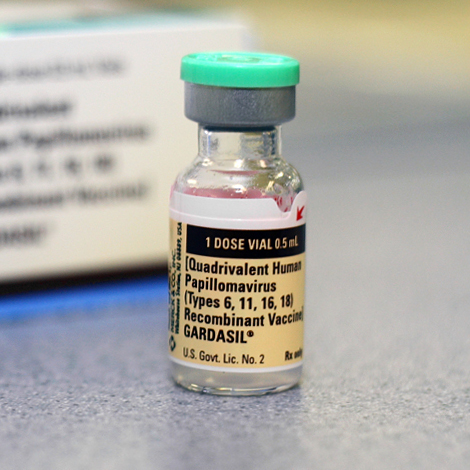
 Eighteen Irish teenage girls have recently come forward claiming to be suffering acute physical side-effects from the controversial HPV anti-cervical cancer vaccine administered in their schools. Parents came forward after the Sunday Independent revealed similar claims of suffering from 131 young women a weekend ago.





 Figure 1.
 Figure 2.
 Figure 3.
 Figure 4.
 Figure 5.
 Figure 6.
