Showing posts with label Food. Show all posts

Friday, October 30, 2015

11 Foods that Boost Your Immune System


The Active Times


Takeaway      Wikipedia.org
..................................................................................................
Foods that Boost Your Immune System

"Believe it or not, most immune support is based upon the health of the individual,” said Registered Dietitian for HelloFresh Rebecca Lewis. “If you eat an adequate healthy diet full of nutrient-dense foods, stay hydrated and exercise regularly—your ability to fight the common cold increases greatly. When you are feeling run down, it is always a good idea up your intake of fruits and vegetables to replace any critical vitamins and minerals you may be missing in your diet. It’s also important to manage your stress and get enough sleep to keep up your mental energy.”
While each of those tips are important for maintaining a strong immune system, it’s crucial to know which foods will help keep you cold- and flu-free this winter. We asked registered dietitians and nutritionists to name their top immune-boosting foods—these are their 11 picks.
Yogurt
 
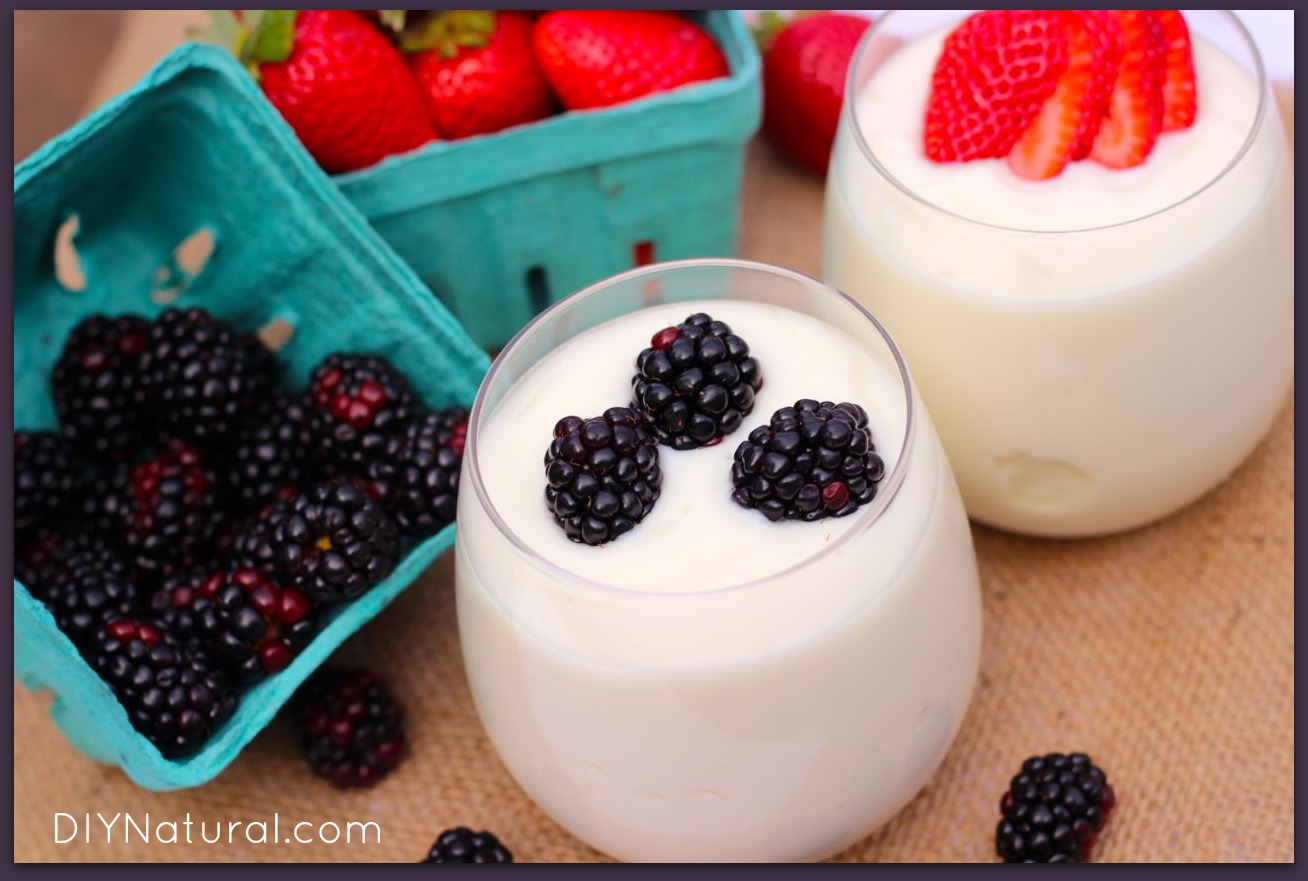
“Probiotics, or ‘live active cultures,’ found in yogurt are healthy bacteria that help the gut,” said Stephanie Green, a registered dietitian nutritionist, chef and author of The Complete Idiot’s Guide to Optimum Nutrition, which will be released in January. “Choose a low-sugar or plain variety and look for a label that says, ‘Live and Active Cultures’.”
Mushrooms
FotoosVanRobin from Netherlands - Asian mushrooms   -  Wikipedia.org
Commercial cultivated Japanese edible mushroom species. Clockwise from left, enokitake, buna-shimeji, bunapi-shimeji, king oyster mushroom and shiitake.
 

“These famous fungi have been used for centuries in various medicinal remedies. Mushrooms help to increase the production of white blood cells, which help fight off infection,” Green said. “Choose shiitake, maitake and reishi varieties for the biggest dose of immunity. Dice and add to pasta sauce, sprinkle over a salad, or sauté with olive oil and add to your morning omelet.”


Oats
File:Haferflocken.jpg
MarkusHagenlocher    -   Wkimedia.org

“These grains contain a type of fiber called beta-glucan, which contain antimicrobial properties,” Green said. “In addition to boosting immunity, oats can also speed wound healing and may help antibiotics work better.”

 
Sweet Potatoes


AlbertCahalan        -     Wikipedia.org
“Rich in an antioxidant called beta-carotene, sweet potatoes help to protect your skin, which is the body’s first line of defense against sickness,” Green said. “When beta-carotene is absorbed, the body turns it into Vitamin A whose major role acts as part of the production of connective tissue, a component of skin.”


Read More Here


Sunday, October 4, 2015

Foods We Won’t Have If We Keep Letting Bees Die


About one-third of the world’s crops depend on the honeybees for pollination. The past decades honeybees have been dying at an alarming rate. Fewer bees will eventually lead to less availability of our favorite whole foods and it will also drive up the prices of many of the fruits and veggies we eat on a daily basis.

While some actions have been taken in the past, our bees are still dying and something needs to be done to make sure our most favorite foods don’t go into extinction.

What’s Causing Massive Bee Deaths?


About fifty years ago our world looked a whole lot different. Bees had an abundance of flowers to feast on and there were fewer pests and diseases threatening their food chain. These days however, nature has to make place for industrialization and our bees are having a hard time finding good pollen and nectar.

And if clearing their dinner tables from good quality food wasn’t bad enough already, farmers are extensively using herbicides and insecticides, which cause a phenome called Colony Collapse Disorder (CCD) where bees get disorientated and poisoned and can’t find their way back to the hive. Or when they manage to get back, they die from intoxication.

“We need good, clean food, and so do our pollinators. If bees do not have enough to eat, we won’t have enough to eat. Dying bees scream a message to us that they cannot survive in our current agricultural and urban environments,” states Marla Spivak, an American entomologist, and Distinguished McKnight University Professor at the University of Minnesota.

List of Foods We Will Have To Go without If The Bees Go


While we don’t need bees to pollinate all our food because they either self-pollinate or rely on the wind (like rice, wheat, and corn), many of our favorite foods will disappear from our kitchen tables.
Foods in the danger zone include:

  • Apples
  • Mangos
  • Kiwi Fruit
  • Peaches
  • Berries
  • Onions
  • Pears
  • Alfalfa
  • Cashews
  • Avocados
  • Passion Fruit
  • Beans
  • Cruciferous vegetables
  • Cacao/Coffee
  • Cotton
  • Lemons and limes
  • Carrots
  • Cucumber
  • Cantaloupe
  • Watermelon
  • Coconut
  • Beets
  • Turnips
  • Chili peppers, red peppers, bell peppers, green peppers
  • Papaya
  • Eggplant
  • Vanilla
  • Tomatoes
  • Grapes
  • Many seeds and nuts

A substantial drop in population, or complete extinction, of honeybees will make these food scares or even non-existent. So to keep our body healthy and our kitchen table interesting we have to take action before it is too late.

What You can Do


  • Plant bee friendly plants in your garden or green community space.
  • Limit the use of pesticides or use organic alternatives.
  • Buy local, organically grown produce and honey to support the beekeepers and farmers in your area.
  • Donate to non-profit organizations, like Pollinator Partnership, to help protect, grow, and strengthen bee populations.


Sources: CNNNCBI, and onEarth.
Don’t forget to download my FREE Book “Amy’s Home Kitchen”, packed with my family’s favorite healthy, clean and delicious recipes. Or connect with me on Facebook or Google+
If you are interested in detoxing, clean eating, losing weight, and changing your lifestyle without feeling hungry and counting calories, click here

************************************************************

About NaturalNews

The NaturalNews Network is a non-profit collection of public education websites covering topics that empower individuals to make positive changes in their health, environmental sensitivity, consumer choices and informed skepticism. The NaturalNews Network is owned and operated by Truth Publishing International, Ltd., a Taiwan corporation. It is not recognized as a 501(c)3 non-profit in the United States, but it operates without a profit incentive, and its key writer, Mike Adams, receives absolutely no payment for his time, articles or books other than reimbursement for items purchased in order to conduct product reviews.

The vast majority of our content is freely given away at no charge. We offer thousands of articles and dozens of downloadable reports and guides (like the Honest Food Guide) that are designed to educate and empower individuals, families and communities so that they may experience improved health, awareness and life fulfillment.
Learn More About Natural News Here

Friday, May 16, 2014

The Highest Nutrient Dense Calcium Foods Are Not Dairy

Prevent Disease


May 6, 2014 by MARCO TORRES

You don't need milk or yogurt to benefit from highly bioavailable sources of calcium. In fact, contrary to popular belief, most dairy products do not possess any type of calcium that is easily absorbed in the body. Here are some of the best foods you can eat with both high nutrient density and high bioavailable calcium.

The pasteurization process involved in the manufacture of most dairy products creates calcium carbonate, which has absolutely no way of entering the cells without a chelating agent. When we drink milk, the body pulls the calcium from the bones and other tissues in order to buffer the calcium carbonate in the blood. This process weakens gradually weakens bones, not make them stronger. It's one of the reasons we have such high rates of osteoporosis in the United States.
Milk also has little to no nutrient density because pasteurization destroys enzymes, diminishes vitamin content, denatures fragile milk proteins, destroys vitamins C, B12 and B6, and kills beneficial bacteria. It's the main reason pasteurized milk promotes pathogens and is associated with allergies, increased tooth decay, colic in infants, growth problems in children, osteoporosis, arthritis, heart disease and cancer.
Many natural food sources have high bioavailable calcium, meaning they are absorbed and becomes available for the body to utilize physiologically after consumption. Nutrient density is the ratio of nutrient content to the total energy content. Thus, nutrient-dense foods are those foods that provide substantial amounts of vitamins and minerals and relatively few calories.
Eating a combination of these 20 foods will give you all the calcium and nutrient density you'll ever need.
In order of highest calcium:
1) Dried Herbs (Dried Basil, Thyme, Marjoram, Rosemary, Dill)
2113mg per 100 grams
2) Sesame Seeds
975mg per 100 grams

3) Chia Seeds (Dried)
631mg per 100 grams
4) Fireweed Leaves
429mg per 100 grams
5) Sardines
382mg per 100 grams
6) Grape Leaves
289mg per 100 grams
7) Chili Powder
278mg per 100 grams
8) Almonds
264mg per 100 grams
9) Flaxseeds
255mg per 100 grams
10) Collards Raw
232mg per 100 grams
11) Natto
217mg per 100 grams
12) Amaranth Greens (Chinese Spinach, Hinn Choy, Yin Tsoi, Rajgira, Bayam, Kulitis, Callaloo)
215mg per 100 grams
13) Garlic
181mg per 100 grams
14) Kelp (Seaweed)
168mg per 100 grams
15) Lotus Seeds
163mg per 100 grams

16) Brazil Nuts

160mg per 100 grams
17) Parsley
138mg per 100 grams
18) Dark Green Leafy Vegetables (Spinach, Swiss Chard, Beet Greens, Kale)
99mg per 100 grams Raw
19) Rhubarb
86mg per 100 grams
20) Fish (Herring, Pike, Bass, Perch, Rainbow Trout, Pollock)
74mg per 100 grams cooked
Marco Torres is a research specialist, writer and consumer advocate for healthy lifestyles. He holds degrees in Public Health and Environmental Science and is a professional speaker on topics such as disease prevention, environmental toxins and health policy.
Enhanced by Zemanta

Monday, April 28, 2014

Numerous studies show garlic’s amazing health potential in nearly every area of your body, from clogged arteries to gangrene to preventing insect bites and ear infections.

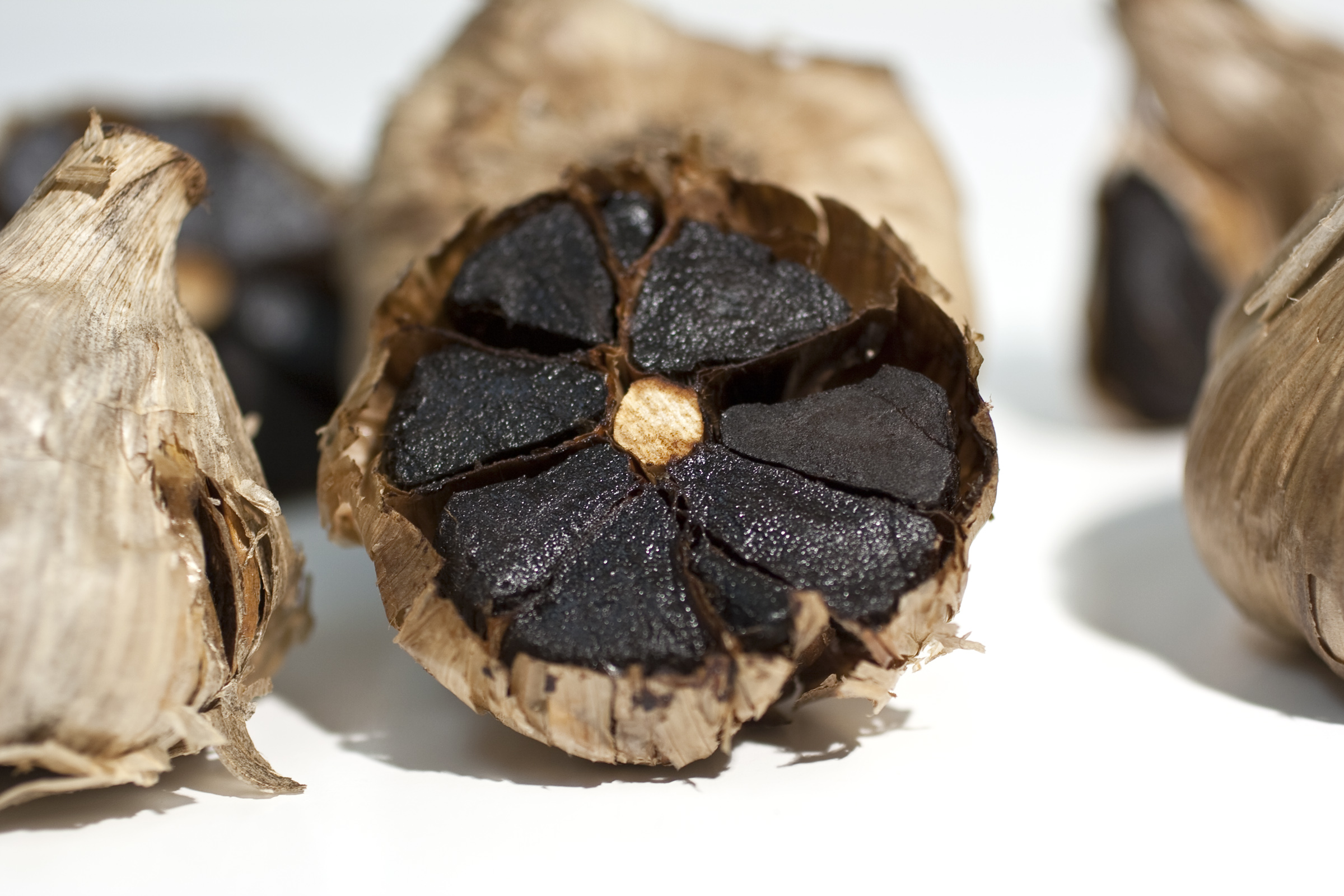
File:Black garlic.jpg 

Black garlic is a type of fermented garlic used as a food ingredient in Asian cuisine. It is made by fermenting whole bulbs of garlic at high temperature, a process that results in black cloves. The taste is sweet and syrupy with hints of balsamic.
Author  :  Foodista
.....

Black Garlic and Sprouted Garlic Have Enhanced Health Benefits

April 21, 2014 | 159,564 views
By Dr. Mercola
Of all the foods Mother Nature provides, few foods offer more of a “botanical bonanza” for your health than garlic. Garlic is a bulbous root closely related to the onion, mentioned in historical documents dating back 5,000 years—before its fame wafted into the rest of the known world.
Speaking of wafting, garlic’s nickname “stinking rose” is well-deserved due to its undeniably pungent aroma that some find objectionable, but others find intoxicating.
Numerous studies show garlic’s amazing health potential in nearly every area of your body, from clogged arteries to gangrene to preventing insect bites and ear infections. There is even evidence that garlic is able to help slow your aging process. When it comes to this magical bulb, what’s not to love?

File:Purple Garlic.jpg
Purple Garlic  Author  :  Itzuvit 

Garlic Epitomizes a ‘Heart Healthy Food’

Like so many other complex plant foods, garlic contains a wide range of phytocompounds that act together to produce a wide variety of responses in your body. Garlic is rich in manganese, calcium, phosphorus, selenium, and vitamins B6 and C, so it’s beneficial for your bones as well as your thyroid.
Garlic also helps your body cleanse itself of heavy metals, such as lead, mercury, cadmium, and arsenic.1 Green Med Info has also assembled a list of studies demonstrating garlic's positive effects for more than 150 different diseases.2 In general, its benefits fall into four main categories:
  1. Reducing inflammation (reduces risk of osteoarthritis as mentioned in the video above)
  2. Boosting immune function (antibacterial, antifungal, antiviral, and antiparasitic properties)
  3. Improving cardiovascular health and circulation (protects against clotting, retards plaque, improves lipids, and reduces blood pressure)
  4. Toxic to 14 kinds of cancer cells (including brain, lung, breast, and pancreatic)
The fact that garlic is so effective in fighting multiple types of cancer is probably related to its potent antioxidant effects. Garlic contains the precursors to allicin—a compound I’ll be discussing in detail shortly. Allicin is one of the most potent antioxidants from the plant kingdom.
In fact, researchers have determined that sulfenic acid, produced during the rapid decomposition of allicin, reacts with and neutralizes free radicals faster than any other known compound—it’s almost instantaneous when the two molecules meet. And as an anti-infective, garlic has been demonstrated to kill everything from candida to herpes, MRSA, drug-resistant tuberculosis, and even HIV.

File:Garlic Bulbs 2.jpg
Garlic Bulbs  Author  :  JJ Harrison       (jjharrison89@facebook.com)

Garlic’s Secret Weapon: Allicin

Researchers have found that allicin is an effective natural "antibiotic" that can eradicate even antibiotic-resistant bugs. An added benefit is that the bacteria appear incapable of developing a resistance to the compound. However, the garlic must be fresh because the active agent is destroyed in less than an hour after smashing the garlic clove.
Garlic technically does not contain allicin, but rather, it contains two agents in separate compartments of the clove that react to form the sulfur-rich compound allicin when the plant needs it: alliin and an enzyme called allinase. So, what makes them react?
Garlic has a robust defense system to protect itself from insects and fungi. It enzymatically produces allicin within seconds when it is injured. The crushing of its tissues causes a chemical reaction between the alliin and the allinase, and allicin is produced—nature’s “insecticide.” This is what makes garlic such a potent anti-infective, as well as what produces that pungent aroma when you cut into it.
But allicin is short-lived, lasting less than an hour. Therefore, cooking, aging, crushing, and otherwise processing garlic causes allicin to immediately break down into other compounds, so it’s difficult to get allicin up to biologically active levels in your body.3

Plus, an Army of Sulfur-Rich Phytochemicals

More than 100 different compounds have been identified in garlic, some of which come from the rapid breakdown of allicin itself. The absorption, metabolism, and biological effects of all these compounds are only partially understood. So, although garlic is known to possess a wealth of health benefits, we still do not know exactly which benefits come from which compounds, what compounds get into which tissues, etc.
As powerful as allicin is as an anti-infective, it only makes sense that garlic’s other health effects come from the synergism of those many OTHER compounds. This is a complicated topic, and if you want to explore it further, the Oregon State’s Linus Pauling Institute has a comprehensive article in their online Micronutrient Information Center.4


Read More and Watch Videos Here
Enhanced by Zemanta

5 toxins to be especially concerned about. and how they are destroying our bodies


The 5 most prevalent toxins destroying the body

Tuesday, April 22, 2014 by: Derek Henry
5
(NaturalNews) With thousands of toxins circulating in the world it can be very easy to become overwhelmed. Formerly nutritious foods have been denatured to the point that they have very little benefit, and air and water have become dangerously polluted. These are 5 toxins to be especially concerned about.

Heavy metals

Heavy metals are not something that people should normally concern themselves about with regards to food, air, water, and personal care products. Unfortunately, that is not the current situation.
Common exposure points to heavy metals include seafood, dental amalgams, vaccinations, personal care products, pots and pans, baking powder, smoke, paint, water, work sites, and chem trails.
These deadly toxins can immediately wreak havoc, causing chronic pain, fatigue, brain fog, gastrointestinal problems, allergies, headaches, depression, skin problems, insomnia, paralysis, and more.

GMOs

Genetically modified organisms (GMOs) are foods that have been created by gene-splicing vegetable seedlings with poisonous pesticides, herbicides, and bacteria so plants are inherently protected from pests that may try to damage them.
With 85 percent of all corn, soy, and canola oil being GMO and the fact that they are some of the most heavily consumed food products on the planet, people find themselves with a major problem. Add in sugar beets, cotton, and other popular grains which may be contaminated or are on the agenda to become GMO (wheat, rice), and there is a nutritional apocalypse in the making.
As a result of this engineered process, consumers are essentially consuming toxic seeds laced with chemicals that are known to mutate cells of the body, resulting in tumors and other forms of cancer.

Radiation

There are a few forms of radiation, but the most deadly that are currently polluting the planet are cesium-137 and electromagnetic radiation.

Read More Here
Enhanced by Zemanta

Tuesday, April 15, 2014

Shellfish Irradiation To Reduce Food Poisoning Gets FDA Nod. Covering up lax food inspection with DNA altering stopgap measure that could lead to dangerous byproducts.

Shellfish Irradiation To Reduce Food Poisoning Gets FDA Nod

The U.S. Food and Drug Administration has approved the use of ionizing radiation to kill foodborne pathogens on crustacean shellfish and extend their shelf life. The April 11 decision is in response to a food additive petition submitted by the National Fisheries Institute 13 years ago.
irradiated-symbolThe decision will allow processors of crustaceans including crab, shrimp, lobster, crayfish, and prawns use small amounts of ionizing radiation to reduce, but not eliminate, dangerous foodborne bacteria such as E.coli, Vibrio and Listeria.  The maximum permitted dose is 6.0 kiloGray.
The rule covers shellfish sold raw, frozen, shelled, dried, cooked and partially cooked. It also covers crustaceans processed with spices or a small number of other ingredients.

Read More Here

.....

Forbes


Will Irradiated Burgers Turn You Radioactive? The Truth About Food Irradiation


As prolific and commonplace as they are in our lives, “foodstuffs” and “food processes” still confound us. I recently received a query in my inbox; the sender was anxious over some irradiated burgers he had bought. Would they harm him? Would they turn him radioactive? Upon reflection, it seemed ripe fodder for a Forbes post.
I noticed a symbol on a package of burgers that I bought, and saw that it meant the beef had been irradiated. I didn’t eat them. What does this mean to have food irradiated, what does involve, is it bad for me, and were the burgers radioactive?
Radiation at the best of times doesn’t elicit warm, fuzzy feelings. When it gets anywhere near our food supply, we’re prone to panic, hysteria even. But, with irradiated food, where the results are comparable to pasteurization, there’s absolutely no need for frenzy, or to let perfectly fine fare go to waste.
While conventional pasteurization depends on heat, irradiation relies on energy generated by ionizing radiation. This can come from either gamma rays from a radioactive element like cobalt-60, electron beam technology or x-rays. Higher doses of irradiation can kill disease-causing microorganisms like E.coli and Salmonella – this would have been the case with your burgers. Lower doses can replace other forms of fumigation to eradicate insects such as fruit flies and weevils from produce, and extend shelf life by retarding spoilage and natural processes such as ripening and sprouting.
All irradiated food is required by law to carry an internationally recognized symbol, known as a radura — usually green and resembling a circular flower flanked by two leaves within a broken circle. The packaging must also bear a statement indicating the food has been irradiated.
The radura should embolden you to tuck in rather than to throw out your burgers. Irradiation is by no means intended as a substitute for scrupulous hygiene standards, but it does provide that extra measure of safety. The off-putting reality is that burgers and other ground meat products are prone to contamination being frequently made from off-cuts and trimmings that may have been in contact with fecal matter. If a single cut of meat, say a steak or a chicken breast, is contaminated with E.coli or Salmonella, the pathogens harbor only on the surface of the meat being unable to permeate to the interior. Searing the outside over high heat will kill off any nasties. With a burger however, surface bacteria can become mixed into the ground meat. The risk of food poisoning then is inordinately higher despite a well-browned crust  - especially if you like your burgers pink and well below 160F in the middle.

Read More Here

.....

US News & World Report


The Basics on the Foodfight Over Irradiation

Should you look for the "radura" symbol?

Video: Healthful Eating Recipes
By SHARE

The Food and Drug Administration's approval late last month of pathogen-zapping irradiation technology for fresh spinach and iceberg lettuce has reignited a long simmering debate about how to improve the safety of food. The news comes as the latest food safety scare—the salmonella outbreak probably caused by hot peppers—winds down after infecting 1,442 people across 43 states and killing two of them. The Centers for Disease Control estimates that foodborne diseases cause approximately 76 million illnesses, 325,000 hospitalizations, and 5,000 deaths each year in the United States.
Given the less than spotless state of the nation's food supply, is bombarding a product with radiation to kill microorganisms such as E. coli and salmonella a good thing? Or should you avoid irradiated food, as some groups urge? U.S. News asked food safety experts some key questions to help you decide.
What is irradiation?

The process involves treating a food with a short burst of high energy radiation that damages the DNA of bacteria. Though the FDA has only just approved the technique for use with fresh spinach and iceberg lettuce, the technology is not new. In fact, the agency has conducted safety tests on the technology for more than 40 years, and its use on meat has been approved since 1997. Spinach and iceberg lettuce are the first types of produce approved for irradiation at levels intense enough to kill pathogens. (Lower doses have been approved for other purposes, such as controlling insect infestations and slowing ripening produce's maturation.) Why do some food processors want to irradiate food?

Groups that represent food processors, such as the Grocery Manufacturers Association and the American Meat Institute, want to irradiate certain products to kill problematic pathogens and to extend shelf life. Research shows that irradiation destroys 99.9 percent of common foodborne pathogens. However, advocacy groups such as Food & Water Watch and the Organic Consumers Association oppose the irradiation of food on the grounds that it doesn't address the root causes of outbreaks, such as unsanitary conditions at farms and food processing plants, and reduces the nutritional quality, taste, and texture of food. Why has the Food and Drug Administration decided to approve the technology for use with spinach and lettuce now?

Read More Here
.....

FDA Expands Irradiation of Food Supply; Harmonizing with Codex Alimentarius

Brandon Turbeville
Activist Post

Demonstrating the lack of concern held by regulatory agencies for public safety or public opinion as well as the increasing attempts to become compliant with Codex Alimentarius regulations, the FDA has recently expanded the amount of ionized radiation that can be used to treat unrefrigerated raw meat.

As reported by Food Safety News, the two new policies decided upon by the FDA were issued in response to two petitions filed in 1999 by the Food Safety and Inspection Service of the U.S. Department of Agriculture.

While the previous policy was that only refrigerated or frozen meats could be irradiated, the new rule allows for the irradiation of unrefrigerated raw meat. The second rule change allows for increasing the dose of ionizing radiation in poultry from 3.0 kGY to 4.5 kGy.

Although a period for public comment is always set aside for regulatory agency decisions regarding potential changes to policy, the FDA promptly ignored the many comments it received from individuals all over the country as well as consumer advocacy groups which requested the denial of the two FSIS petitions.

The response from the FDA was that all of these comments, made by individuals and by groups such as Public Citizen and the Center for Food Safety, “were of a general nature” and “did not contain any substantive information that could be used in a safety evaluation of irradiated poultry.” This statement was made regarding both the poultry irradiation rule and the passage of a new meat temperature rule.

Predictably, the FDA has defended its decision by circular logic that flies in the face of science and common sense. The agency is claiming that “irradiating unrefrigerated meat was not found to increase meat’s toxicity, change the food’s nutritional properties or increase the likelihood of certain bacteria thriving on meat; therefore FDA has determined that this is a safe application for the process.”

Of course, while the FDA claims that irradiation is not found to increase toxicity or change nutritional properties, the very reason that the FDA has jurisdiction over food irradiation to begin with is because the process of irradiation can do just these very things. Even the FDA admits[1] that, because irradiation “can affect the characteristics of the food,” it is considered a “food additive.” Thus, because food additives fall under the purview of the FDA, irradiation is regulated (or not) by the agency.

By allowing for higher doses of irradiation in food, the FDA is knowingly complicit in covering up unsanitary food production practices by major corporations as well as accepting the inclusion of clearly harmful material (i.e. radiation) into the food supply. Keep in mind, irradiation is mostly used by corporations in order to cover up deplorable manufacturing conditions and dangerous food contamination.

Read More Here
.....

Food Irradiation Supports Agribusiness, Harms Health

Irradiation Lab Mouse Food Irradiation Supports Agribusiness, Harms Health

by Heidi Stevenson
Gaia-Health.com
Agribusiness is polluting and destroying the food on which we depend . Irradiation destroys nutrients and creates poisons. Despite claims, it’s largely hidden from us. It exists for the benefit of Agribiz, not for our health.
Food irradiation exists only because Agribusiness exists. It isn’t to support your health. As we’ve seen recently with outbreaks of food-borne disease, modern food production is innately unhealthy. It utilizes monoculture, long term storage, and chemicals. None of these are good for us, but all create enormous profits for a money-hungry industry. The need to sterilize foods on a mass scale simply did not exist until Agribusiness changed the nature of what we eat.
Modern food processing and distribution is highly mechanized, with tremendous pressure placed on employees to simply push things through and money carefully spent to grease the palms of those who might have called a stop to the madness. Agribusiness considers it cost-effective to irradiate foods, which sterilizes them and significantly increases their shelf life.
The efforts to utilize irradiation cover the spectrum from propaganda to hiding it from the public. We’re told that food irradiation is safe, effective, and doesn’t affect food quality. Let’s call these claims the myths that they are and examine them.
Myth: Irradiation is effective.
Fact: This is a very slippery claim. Yes, it does kill many infectious organisms, in particular, bacteria. However, it does not protect against toxic elements, such as the neurotoxin produced by Clostridium botulinum, the bacterium that causes botulism. Killing the bacteria can create a sense of security, though the actual disease cause is still present.
Irradiation’s effectiveness against viruses is limited, so anthrax and hepatitis may still survive after irradiation. Prions, the cause of mad cow disease, are untouched by it.
Reinfestation of food is not prevented by irradiation. In fact, it holds the potential of allowing worse contamination. By eliminating most infectious organisms, beneficial ones are also destroyed. This results in there being nothing to prevent reinfection, allowing opportunistic bacteria and viruses free rein in irradiated foods.
Factory farms are not healthy places. Pigs are kept for their entire lives in horrifically unsanitary conditions, with their droppings and urine left uncleared where they fall through the cages, so they rot and release constant toxic fumes. Irradiation is a means to avoid dealing with this inhumane and unhealthy situation.
Urine, feces, pus, tumors, and vomit are not removed by irradiation.
Myth: Irradiation is safe.
Fact: This is simply false. As documented in Food Irradiation, Cats, and Doublespeak: Researchers Reinvent Reality, it’s well known to cause neurological damage in cats.
Irradiation generates furans in food. Carbofuran is a member of this class. It’s the poison, which is banned in Europe and severely curtailed in the US, that FMC sells under the name of Furadan, as reported in PsychoCorp #1—FMC Product Banned in U.S. Kills Lions in Africa. All furans are considered carcinogenic. Fruits, in particular, are affected by the generation of furans.
Public Citizen reports laboratory animals fed irradiated foods suffered “a myriad of serious health problems in laboratory animals that ate irradiated foods, including premature death, fatal internal bleeding, a rare form of cancer, stillbirths and other reproductive problems, mutations and other genetic damage, organ malfunctions, stunted growth and vitamin deficiencies.”
The growth of aflatoxin, implicated in liver cancer in southern states, is stimulated by irradiation. The World Health Organization considers aflatoxin to be a significant health risk. Unique Radiolytic Products (URPs) are produced by irradiation. These chemical compounds have not been well studied, but one group of them, cyclobutanones, have been found to promote cancer and genetic damage in rats, and to cause genetic and cellular damage in both rats and humans. Cyclobutanones are radiation by-products of palmitic acid, which is present in nearly all foods.
Other chemicals known to cause cancer and birth defects are formed by irradiation, including benzene, toluene, and methyl ethyl ketone.
Free radicals are formed by irradiation. These are the targets of antioxidants, supplements that are very popular now. Consider that some antioxidants, such as vitamin A, are destroyed by irradiation. So irradiation holds a double whammy against health—destroying the antioxidants that might help resolve the chemicals it creates.
The journal, Nutrition and Cancer reported in 2002 that colon cancer can be caused by a chemical compound found only in irradiated food.
Myth: Irradiation doesn’t affect food quality.
Fact: There is extensive documentation for the loss of key nutrients from irradiation of food. The Center for Food Safety reports that anywhere from 2-95% of the vitamins can be lost. They cite losses of as much as 80% of vitamin A in eggs, 95% of vitamin A and lutein in green beans, 50% of vitamin A and lutein in broccoli, and 40% of beta carotene in orange juice. Irradiation is also reported to destroy the B, C, E, and K vitamins.

Read More Here
.....

Additional Sources on Irradiation of food and it's byproducts

Pubmed Data : Nutr Cancer. 2002;44(2):189-91. PMID: 12734067
Study Type : Animal Study

Pubmed Data : J Food Prot. 2008 Jun;71(6):1270-2. PMID: 18592759
Study Type : Animal Study

Pubmed Data : Poult Sci. 2001 Jan ;80(1):105-8. PMID: 11214329
Study Type : Animal Study

Pubmed Data : Food Chem Toxicol. 2012 Sep 19 ;51C:46-52. Epub 2012 Sep 19. PMID: 23000443
Study Type : Animal Study

Pubmed Data : Neurosci Lett. 2006 Sep 25;405(3):172-4. Epub 2006 Jul 26. PMID: 12380747
Study Type : Animal Study
Additional Links
Additional Keywords : Gamma Irradiation : CK(9) : AC(6)

Pubmed Data : Biosci Biotechnol Biochem. 2012 ;76(5):900-5. Epub 2012 May 7. PMID: 22738956
Study Type : Plant Study

Pubmed Data : PDA J Pharm Sci Technol. 2010 Sep-Oct;64(5):432-5. PMID: 21502047
Study Type : Review

Pubmed Data : J Agric Food Chem. 2005 Oct 5;53(20):7826-31. PMID: 16190637
Study Type : In Vitro Study
Additional Links
Additional Keywords : Gamma Irradiation : CK(9) : AC(6)
Problem Substances : Furan : CK(11) : AC(2)
Adverse Pharmacological Actions : Carcinogenic : CK(936) : AC(130)

Pubmed Data : J Sci Food Agric. 2011 Mar 15;91(4):634-49. Epub 2010 Dec 23. PMID: 21302317
Study Type : In Vitro Study
Additional Links

Pubmed Data : J Food Sci. 2011 Sep ;76(7):C1056-61. PMID: 22417543
Study Type : Plant Study
Additional Links
Pharmacological Actions : Antioxidants : CK(3723) : AC(1318)
Adverse Pharmacological Actions : Oxidant : CK(104) : AC(37)

Pubmed Data : Poult Sci. 2011 Nov ;90(11):2578-83. PMID: 22010244
Study Type : Review

Pubmed Data : Food Chem Toxicol. 2007 Dec;45(12):2581-91. Epub 2007 Jun 28. PMID: 17766022
Study Type : In Vitro Study
Additional Links
Additional Keywords : Gamma Irradiation : CK(9) : AC(6)

Pubmed Data : Mutat Res. 2006 Feb 22;594(1-2):10-9. Epub 2005 Sep 8. PMID: 16153665
Study Type : In Vitro Study

.....


Enhanced by Zemanta