Showing posts with label Calcium. Show all posts

Friday, October 30, 2015

The Essential Nutrient You Need For Strong Bones That You're Probably Not Getting


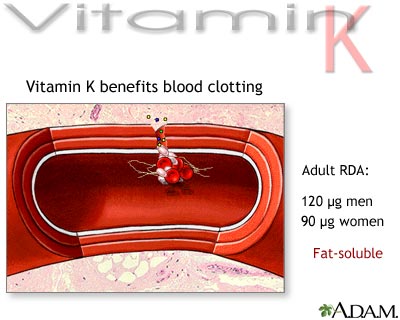
Vitamin K benefit


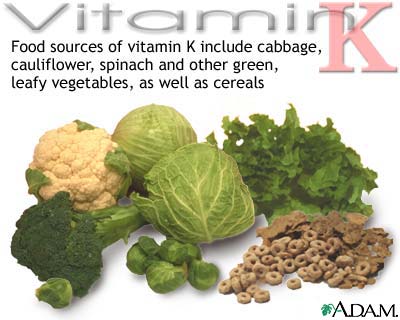
Vitamin K source

Vitamin K source
 
 
...........................................................................................................
 

10/19/2015

Calcium is the ultimate bone-building nutrient, right? Just down your three glasses of milk a day, or pop a supplement, and you're good to go—at least that’s the message that's been repeated by countless nutritionists for years. New evidence, however, suggests we should reconsider how much calcium we take and focus instead on an often-overlooked nutrient: vitamin K2.
 
A recent meta-analysis in Osteoporosis International found that K2 supplementation significantly improved bone mineral density and reduced fracture risk in women who already had osteoporosis. Meaning, it helped repair bones that were already weak and damaged—pretty cool, right? The latest research on calcium, however, isn't nearly as glowing. A new review in BMJ found increased calcium intake to be ineffective at boosting bone density or reducing risks of fractures in older adults, with one study author warning it could up your risk of heart attack and stroke.

K2 builds strong bones by activating a protein responsible for depositing calcium into bones and teeth, says Laura Schoenfeld, RD, holistic nutritionist at Ancestralize Me. It also works with vitamin D to reduce activity of cells responsible for bone breakdown.


Read More Here

Wednesday, October 7, 2015

Go to NHS Choices homepage Food allergy or food intolerance? .............................................................................................. Natural Alternative ADHD Treatment Anna Tai, RDN, CSP. CEO/Founder Contrary to popular belief, you don't need to drink milk or eat cheese and yogurt to get your calcium. For some people, the choice to avoid dairy is medical. How Much Calcium Do We Need? Current calcium recommendation by age: Infant 0-6 mos – 200mg/d; 6-12 mos – 260mg/d. Children 1-3 yo - 700mg/d; 4-8yo – 1,000mg/d; 9-18yo 1,300mg/d. Adult 19-50yo – 1,000mg/d; more if female older than 50 and male older than 70. One cup of cow’s milk has about 296 mg. Below is a list of 15 non dairy sources of calcium that comes close to the calcium content of cow’s milk: Almonds One ounce of almonds (23 nuts) has 75 mg. Blackstrap Molasses One tablespoon has about 137 mg. Brazil Nuts Two ounces of Brazil nuts (12 nuts) have 90 mg. Broccoli Two cups of boiled broccoli have 124 mg. Celery Two cups of raw celery have 81 mg. Read More Here


..............................................................................................
Natural Alternative ADHD Treatment
 Anna Tai, RDN, CSP. CEO/Founder
Contrary to popular belief, you don't need to drink milk or eat cheese and yogurt to get your calcium. For some people, the choice to avoid dairy is medical.

How Much Calcium Do We Need?

Current calcium recommendation by age:
Infant 0-6 mos – 200mg/d; 6-12 mos – 260mg/d.
Children 1-3 yo - 700mg/d; 4-8yo – 1,000mg/d; 9-18yo 1,300mg/d.
Adult 19-50yo – 1,000mg/d; more if female older than 50 and male older than 70.
One cup of cow’s milk has about 296 mg. Below is a list of 15 non dairy sources of calcium that comes close to the calcium content of cow’s milk:

Almonds
One ounce of almonds (23 nuts) has 75 mg.

Blackstrap Molasses
One tablespoon has about 137 mg.

Brazil Nuts
Two ounces of Brazil nuts (12 nuts) have 90 mg.

Broccoli
Two cups of boiled broccoli have 124 mg.

Celery
Two cups of raw celery have 81 mg.


Read More Here

Friday, May 16, 2014

The Highest Nutrient Dense Calcium Foods Are Not Dairy

Prevent Disease


May 6, 2014 by MARCO TORRES

You don't need milk or yogurt to benefit from highly bioavailable sources of calcium. In fact, contrary to popular belief, most dairy products do not possess any type of calcium that is easily absorbed in the body. Here are some of the best foods you can eat with both high nutrient density and high bioavailable calcium.

The pasteurization process involved in the manufacture of most dairy products creates calcium carbonate, which has absolutely no way of entering the cells without a chelating agent. When we drink milk, the body pulls the calcium from the bones and other tissues in order to buffer the calcium carbonate in the blood. This process weakens gradually weakens bones, not make them stronger. It's one of the reasons we have such high rates of osteoporosis in the United States.
Milk also has little to no nutrient density because pasteurization destroys enzymes, diminishes vitamin content, denatures fragile milk proteins, destroys vitamins C, B12 and B6, and kills beneficial bacteria. It's the main reason pasteurized milk promotes pathogens and is associated with allergies, increased tooth decay, colic in infants, growth problems in children, osteoporosis, arthritis, heart disease and cancer.
Many natural food sources have high bioavailable calcium, meaning they are absorbed and becomes available for the body to utilize physiologically after consumption. Nutrient density is the ratio of nutrient content to the total energy content. Thus, nutrient-dense foods are those foods that provide substantial amounts of vitamins and minerals and relatively few calories.
Eating a combination of these 20 foods will give you all the calcium and nutrient density you'll ever need.
In order of highest calcium:
1) Dried Herbs (Dried Basil, Thyme, Marjoram, Rosemary, Dill)
2113mg per 100 grams
2) Sesame Seeds
975mg per 100 grams

3) Chia Seeds (Dried)
631mg per 100 grams
4) Fireweed Leaves
429mg per 100 grams
5) Sardines
382mg per 100 grams
6) Grape Leaves
289mg per 100 grams
7) Chili Powder
278mg per 100 grams
8) Almonds
264mg per 100 grams
9) Flaxseeds
255mg per 100 grams
10) Collards Raw
232mg per 100 grams
11) Natto
217mg per 100 grams
12) Amaranth Greens (Chinese Spinach, Hinn Choy, Yin Tsoi, Rajgira, Bayam, Kulitis, Callaloo)
215mg per 100 grams
13) Garlic
181mg per 100 grams
14) Kelp (Seaweed)
168mg per 100 grams
15) Lotus Seeds
163mg per 100 grams

16) Brazil Nuts

160mg per 100 grams
17) Parsley
138mg per 100 grams
18) Dark Green Leafy Vegetables (Spinach, Swiss Chard, Beet Greens, Kale)
99mg per 100 grams Raw
19) Rhubarb
86mg per 100 grams
20) Fish (Herring, Pike, Bass, Perch, Rainbow Trout, Pollock)
74mg per 100 grams cooked
Marco Torres is a research specialist, writer and consumer advocate for healthy lifestyles. He holds degrees in Public Health and Environmental Science and is a professional speaker on topics such as disease prevention, environmental toxins and health policy.
Enhanced by Zemanta

Monday, February 17, 2014

Are You Alkaline or Acidic? Test Your Diet With This Quick Trick


In my video Alkaline Diets, Animal Protein, and Calcium Loss I presented evidence challenging the notion that our body is buffering the acid formed from our diet with calcium from our bones. How then is our body neutralizing the acid? Maybe with our muscles! Our blood gets more acidic as we age and our kidney function declines, and this may be a reason we lose muscle mass as we get older. As a pair of researchers note: “The modern Western diet based on animal products generates an acid load that may cause a lifespan state of unnoticed and growing metabolic acidosis.” This chronic low-level diet-dependent metabolic acidosis might contribute to the progressive shrinking of our muscle mass as we age.
Muscle wasting appears to be an adaptive response to acidosis. When our muscles break down, amino acids are released into the bloodstream. Our liver can then take these amino acids and make something called glutamine, which our kidneys can use to get rid of excess acid. And indeed, in a three year study I profile in the above video, those over age 65 eating alkaline diets were better able to preserve their muscle mass, which the researchers think may be because the alkaline-producing fruits and vegetables helped relieve the mild acidosis that occurs with the ingestion of the standard American diet.
So what should we think about the latest review’s question, “Does an alkaline diet benefit health?” If the question is “Does a diet low in meat, eggs, and dairy—all acid-producing—and high in fruits and vegetables with lots of dark green leafies benefit health?” then of course the answer is yes, an alkaline diet benefits health. But if the question is “Does it matter what our “peeH” is (whether our urine is acid or alkaline) regardless of what actually goes into your mouth?” then the answer is… still yes, but the accepted benefits of having alkaline urine appear limited to two areas: lower risk of kidney stones and better uric acid clearance.


Read More Here
Enhanced by Zemanta