Showing posts with label USDA. Show all posts

Sunday, December 13, 2015

Hawaii Recalls Korean Raw Oysters After Reports of Norovirus Illnesses

Norwalk.jpg
Transmission electron micrograph of Norwalk virus. The white bar = 50 nm
EPA  ...Wikipedia.org
.............................................................................................

Food Safety News


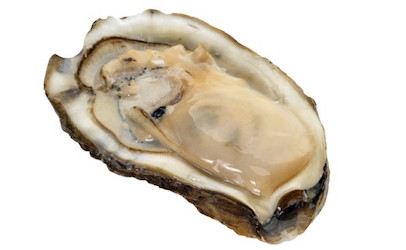
Raw oysters imported from Korea and sold in bulk to distributors and food establishments in Hawaii are being recalled.
 
The Hawaii State Department of Health (DOH) said the individually quick frozen (IQF) packaged under the Dai One Food Company label, with shellfish harvest dates of Feb. 10 -13, 2015, with shellfish tags on all shellfish cases are subject to the recall.
rawoyster_406x250


The department has already conducted product tracebacks and embargoed all of the suspect product on Nov. 24 at various local shellfish distributors and restaurants, said Peter Oshiro.

“Although this product is not sold directly to the public, a recall has been issued as an additional safeguard to further notify anyone who may possess the product that it is unsafe and should be destroyed,” he said.


Read More Here

Monday, November 9, 2015

The impending anthropogenic mass extinction could very well make the elite depopulation agenda a moot point according to Rosemary Mason.


Global Research

Poisoned Agriculture: Depopulation and Human Extinction


Agricultural-Engineer-On-Field-Examining-Ripe-Ears-Of-Grain-GMO-Test-Crop


There is a global depopulation agenda. The plan is to remove the ‘undesirables’, ‘the poor’ and others deemed to be ‘unworthy’ and a drain on finite resources. However, according to Rosemary Mason, the plan isn’t going to work because an anthropogenic mass extinction is already underway that will affect all life on the planet and both rich and poor alike. Humans will struggle to survive the phenomenon.


A new paper by Rosemary A Mason in the ‘Journal of Biological Physics and Chemistry’, indicates that a ‘sixth extinction’ is under way (the Holocene extinction, sometimes called the Sixth Extinction, is a name describing the ongoing extinction of species during the present Holocene epoch - since around 10,000 BCE). In her paper, ‘The sixth mass extinction and chemicals in the environment: our environmental deficit is now beyond nature’s ability to regenerate’, she argues that loss of biodiversity is the most urgent of the environmental problems, as biodiversity is critical to ecosystem services and human health. And the main culprit is the modern chemical-intensive industrialised system of food and agriculture.

Mason asserts there is a growing threat from the release of hormone-disrupting chemicals that could even be shifting the human sex ratio and reducing sperm counts. An industrial agricultural revolution has created a technology-dependent global food system, but it has also created serious long-run vulnerabilities, especially in its dependence on stable climates, crop monocultures and industrially produced chemical inputs. In effect, farming is a principal source of global toxification and soil degradation.

Without significant pressure from the public demanding action, Mason argues there could little chance of changing course fast enough to forestall disaster. The ‘free’ market is driving the impending disaster and blind faith in corporate-backed technology will not save us. Indeed, such faith in this technology is actually killing us.

Since the late 1990s, US scientists have written in increasingly desperate tones regarding an unprecedented number of fungal and fungal-like diseases, which have recently caused some of the most severe die-offs and extinctions ever witnessed in wild species and which are jeopardizing food security. Only one paper dared to mention pesticides as being a primary cause, however.
Mason cites a good deal of evidence to show how the widespread use on agricultural crops of the systemic neonicotinoid insecticides and the herbicide glyphosate, both of which cause immune suppression, make species vulnerable to emerging infectious pathogens, driving large-scale wildlife extinctions, including essential pollinators.

Providing evidence to show how human disease patterns correlate remarkably well with the rate of glyphosate usage on corn, soy and wheat crops, which has increased due to ‘Roundup Ready’ crops, Mason goes on to present more sources to show how our over-reliance on chemicals in agriculture is causing irreparable harm to all beings on this planet. Most of these chemicals are known to cause illness, and they have likely been causing illnesses for many years. But until recently, the herbicides have never been sprayed directly on food crops and never in this massive quantity.

The depopulation agenda

Mason discusses how agriculture and genetically modified organisms (GMOs) fit into a wider agenda for depopulating the planet. She notes that on the initiative of Gates, in May 2009 some of the richest people in the US met at the home of Nurse, a British Nobel prize-winning biochemist and President (2003–10) of Rockefeller University in Manhattan, to discuss ways of tackling a ‘disastrous’ environmental, social and industrial threat of overpopulation. The meeting was hosted by David Rockefeller Jr. These same individuals have met several times since to develop a strategy in which population growth would be tackled.

The Rockefeller Foundation (RF) was involved in extensive financing of eugenics research  in league with some of the US’s most respected scientists from such prestigious universities as Stanford, Yale, Harvard and Princeton. The explicit aim of the eugenics lobby funded by wealthy élite families, such as Rockefeller, Carnegie, Harriman and others since the 1920s, has embodied what they termed ‘negative eugenics’, the systematic killing off of ‘undesired bloodlines’.

RF funded the earliest research on GMOs, which Mason regards as part of the depopulation agenda. The RF funded the earliest research on GMOs in the 1940s and effectively founded the science of molecular biology.

Mason cites Steven Druker to show the fraud behind GMOs and how governments and leading scientific institutions have systematically misrepresented the facts about GMOs and the scientific research that casts doubt on their safety. Druker has shown that GMOs can have severe health impacts, which have been covered up.

The Royal Society is the preeminent scientific body within the UK that advises the government. It has misrepresented the facts about GMOs and has engaged in various highly dubious and deceptive tactics to promote the technology.

Druker wrote an open letter to RS as it has an obligation to the British public to provide a public response and ‘put the record straight’ on GMOs. Although Sir Paul Nurse’s presidency of Rockefeller University terminated in 2010, after he assumed the Royal Society presidency, Mason notes that Nurse is said to have maintained a laboratory on the Rockefeller campus and has an ongoing relationship with the university.

She asks: is that why Sir Paul was unable (or unwilling) even to discuss GMOs with Steven Druker? Was he sent to London by the Rockefeller Foundation to support the UK Government in their attempt to bring in GM crops? The UK Government and the GM industry have after all been shown to be working together to promote GM crops and foods, undermine consumer choice and ignore environmental harm.

Mason then goes on to discuss the impact of glyphosate residues (herbicide-tolerant GM crops are designed to work with glyphosate), which are found in the organs of animals, human urine and human breast milk as well as in the air and rivers. She documents its widespread use and contamination of soil and water and notes that the WHO International Agency for Research on Cancer’s assessment of glyphosate being a 2A carcinogen (probably carcinogenic in humans) is unwelcome news for the agrochemical industry. She also notes that Roundup usage has led to a depletion of biodiversity and that loss of biodiversity is also correlated with neonicotinoids. However, despite the evidence, the blatant disregard concerning the use of these substances by regulatory agencies around the world is apparent.

To provide some insight into the impact on health of the chemical-intensive model of agriculture, Mason shows that in the US increases in Alzheimer’s disease, obesity, breast cancer, oesophageal cancer, congenital anomalies and a growing burden of disability, particularly from mental disorders are all acknowledged.

She claims that plans are under way to depopulate the planet’s seven million plus people to a more manageable level of between 500–2000 million by a combination of means, including the poisoning and contamination of the planet’s food and water supplies via chemical-intensive industrialised agriculture. Mason also notes that health-damaging GMOs are being made available to the masses (under the guise of ‘feeding the poor’), while elites are more prone to eat organic food.
We may be gone before planned depopulation takes hold

Although Mason cites evidence to show that a section of the US elite has a depopulation agenda, given the amount of poisons being pumped into the environment and into humans, the thrust of her argument is that we could all be extinct before this comes to fruition – both rich and poor alike.
In concluding, she states that the global pesticides industry has been allowed to dominate the regulatory agencies and have created chemicals of mass destruction that can no longer be controlled. She has some faith in systems biology coming to the fore and being able to understand the complexity of the whole organism as a system, rather than just studying its parts in a reductionist manner. But Mason believes that ultimately the public must place pressure on governments and hold agribusiness to account.

However, that in itself may not be enough.

It is correct to highlight the poisonous impacts of the Rockefeller-sponsored petrochemical ‘green revolution’. It has uprooted indigenous/traditional agriculture and local economies and has recast them in a model that suits global agribusiness. It is poisoning life and the environment, threatening food security across the globe and is unsustainable. The ‘green revolution’ was ultimately a tool of US foreign policy that has been used in conjunction with various institutions like the IMF, World Bank and World Trade Organisation. GMOs represent more of the same.

In this respect, Mason follows the line of argument in William F Engdahl’s book ‘Seeds of Destruction: The Hidden Agenda of Genetic Manipulation’, which locates the GM issue and the ‘green revolution’ firmly within the context of empire. Engdahl also sees the Rockefeller-Gates hand behind the great GMO project to a sinister eugenicist strategy of depopulation.

Mason’s concerns about depopulation therefore should not be dismissed, particularly given the record of the likes of the Gates and Rockefeller clans, the various covert sterility programmes that have been instituted by the US over the decades and the way agriculture has and continues to be used as a geopolitical tool to further the agendas of rich interests in the US.

To understand the processes that have led to modern farming and the role of entities like Monsanto, we must appreciate the geopolitics of food and agriculture, which benefits an increasingly integrated global cartel of finance, oil, military and agribusiness concerns. This cartel seeks to gain from war, debt bondage and the control of resources, regardless of any notions relating to food security, good health and nutrition, biodiversity, food democracy, etc.
Food and trade policy analyst Devinder Sharma notes the impacts in India:
“India is on fast track to bring agriculture under corporate control… Amending the existing laws on land acquisition, water resources, seed, fertilizer, pesticides and food processing, the government is in overdrive to usher in contract farming and encourage organized retail. This is exactly as per the advice of the World Bank and the International Monetary Fund as well as the international financial institutes.”
In Punjab, India, pesticides have turned the state into a ‘cancer epicentre‘. Moreover, Indian soils are being depleted as a result of the application of ‘green revolution’ ideology and chemical inputs. India is losing 5,334 million tonnes of soil every year due to soil erosion because of the indiscreet and excessive use of fertilisers, insecticides and pesticides. The Indian Council of Agricultural Research reports that soil is become deficient in nutrients and fertility.

And now, there is an attempt to push GM food crops into India in a secretive, non-transparent manner that smacks of regulatory delinquency underpinned by corrupt practices, which suggests officials are working hand in glove with US agribusiness.

As smallholders the world over are being driven from their land and the GMO/chemical-industrial farming model takes over, the problems continue to mount.

The environment, the quality of our food and our health are being sacrificed on the altar of corporate profit and a type of looting based on something we can loosely regard as ‘capitalism’. The solution involves a shift to organic farming and investment in and reaffirmation of indigenous models of agriculture. But ultimately it entails what Daniel Maingi of Growth Partners for Africa says what we must do: “… take capitalism and business out of farming.”

It must also entail, according to Maingi, investing in  “… indigenous knowledge and agroecology, education and infrastructure and stand(ing) in solidarity with the food sovereignty movement.”
In other words, both farmers and consumers must organise to challenge governments, corrupt regulatory bodies and big agribusiness at every available opportunity. If we don’t do this, what Mason outlines may come to pass.


Tuesday, October 6, 2015

Aspen Foods Expands Recall of Frozen, Raw, Stuffed and Breaded Chicken Entrées


Food Safety News

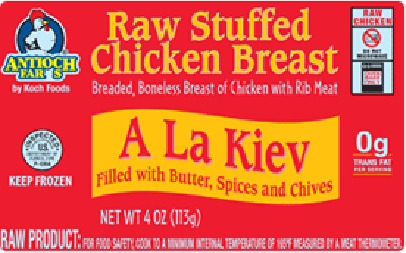
The U.S. Department of Agriculture’s Food Safety and Inspection Service (FSIS) announced Friday, Oct. 2, 2015, that Aspen Foods of Chicago is recalling approximately 561,000 pounds of frozen, raw, stuffed and breaded chicken products that appear to be ready-to-eat and may be contaminated with Salmonella Enteritidis.

Production codes and descriptions of the recalled products are at the bottom of this page.

Antioch Farms Chicken a la Kiev

This recall expands the earlier Aspen Foods recall from July 15, 2015, to include additional products sold under 19 different brands.

The FSIS announcement stated that, after further analysis, Aspen Foods chose to recall the products “in an effort to prevent additional illness.”

The frozen, raw, stuffed, and breaded chicken items that appear to be ready-to-eat (RTE) were produced between Aug. 25, 2015, and Sept. 17, 2015, with “best if used by” dates of Aug. 23, 2016, to Dec. 15, 2016.

To view a full list of products recalled as part of this expansion that are not ready-to-eat, click here. To view a full list of products recalled as part of this expansion that are part of a variety pack, click here.

The 19 brands associated with this recall expansion include:
  • Acclaim
  • Antioch Farms
  • Buckley Farms
  • Centrella Signature
  • Chestnut Farms
  • Family Favorites
  • Home Dining Selections
  • Kirkwood
  • Koch Foods
  • Market Day
  • Oven Cravers
  • Rose
  • Rosebud Farm
  • Roundy’s
  • Safeway Kitchens
  • Schwan’s
  • Shaner’s
  • Spartan
  • Sysco
Following the original recall on July 15, 2015, FSIS conducted intensified sampling at this establishment to ensure that the hazard responsible for the initial contamination had been controlled by Aspen Foods.

Read More Here

Thursday, October 1, 2015

Monsanto’s Cancer Causing Herbicide Doesn’t Even Work, Actually Makes Weeds Stronger


...............................................

 
grass-76069_640


As we have covered extensively in recent months, Monsanto’s herbicide Glysophate, the primary ingredient in their top-selling product “RoundUp” has been proven to cause cancer. Now, according to new reports, the chemical doesn’t even work and is creating a new resistance in weeds that make them more resiliant and more difficult to get rid of.

Nebraska farmer Mike Pietzyk recently discussed how the weeds are becoming resistant to RoundUp in a recent interview with Chemicals And Engineers News.

“The days of going out and spraying RoundUp twice a year—those are long gone,” he said, adding that he was forced to use a cocktail of different chemicals, some of which are even more dangerous than RoundUp. Pietzyk and other farmers are now seeking new solutions to avoid the harsh pesticides used in conventional farming.
 
“People in urban areas and towns need to understand—we live here, we drink the water under the ground out here,” he says. “We want to be good stewards of what we’ve been entrusted with,” he said.

According to U.S. weed scientist Dallas Peterson, one type of weed, in particular, called Palmer amaranth, has become especially resistant to pesticides and is overgrowing farms across the country.
Complaints of herbicide-resistant weeds have become so common that the House Agriculture Committee has scheduled a meeting on December 4th to specifically address the situation.

Roundup, formulated to be used on GMO or “Roundup Ready” crops engineered to be resistant to it, is the most widely used herbicide in the world. It was originally introduced in the 1970s to control weeds and then took off when the planting of GMO crops skyrocketed in the past 15 years.

According to a U.S. Geological Survey (USGS), glyphosate use in the U.S. increased from about 20 million pounds in 1992 to 110 million pounds in 2002 to more than 280 million pounds in 2012.
In a statement released earlier this year, the World Health Organization’s International Agency for Research on Cancer (IARC) announced that glyphosate, the main ingredient in RoundUp, is “probably carcinogenic.”


John Vibes writes for True Activist and is an author, researcher and investigative journalist who takes a special interest in the counter culture and the drug war.

Thursday, May 22, 2014

Ground Beef E.coli Recall: USDA Names Stores

Retial stores that sold ground beef linked to an E.coli Outbreak in MI, OH, MA and MO.A partial list of stores involved in the 1.8 million pound ground beef recall linked to an E.coli outbreak that has sickened at least 11 people in four states has been published by the U.S. Department of Agriculture’s Food Safety and Inspection Service (USDA FSIS). It’s a small list for a big recall, but the agency is not permitted to list restaurants, only retail stores, and the list may not yet include all locations.
So far, here are the retail locations that are part of the recall. Gordon Food Service Marketplace Stores in FL, IL, IN, KY, MI, OH, PA, TN, and WI.; Surf N Turf Market in Sebring, Florida; Giorgio’s Italian Deli in Stuart, Florida;  M Sixty Six General Store in Orleans, Michigan and Buchtel Food Mart on Buchtel, Ohio.

Read More Here

.....
Boston.com

Confirmed E. Coli Case in Mass Prompts National Beef Recall

The Massachusetts Department of Public Health on Monday confirmed that a Western Massachusetts resident has E. coli, according to MassLive. That case, along with others across the country, has prompted Wolverine Packing Company and the US Department of Agriculture to recall 1.8 million pounds of beef.
From MassLive:

The beef produced between March 31 and April 18 and distributed for use in restaurants in Ohio, Michigan, Missouri and Massachusetts. The recall notice notes that none of the beef in question was distributed to the Department of Defense, the National School Lunch Program or for catalog or internet sales.
Products that are subject to are marked with the number "EST. 2574B" and will have a production date code in the format "Packing Nos: MM DD 14" between "03 31 14" and "04 18 14."


The recall was ordered after the Massachusetts resident, along with five Michiganders, four Ohioans and a Missourian became ill with E. coli

Read More Here

.....
Enhanced by Zemanta

Wednesday, May 7, 2014

American Apples Have Been Banned in Europe

File:Red Delicious apples.jpg
red delicious  Sonita Lewis
Wikimedia.org
.....

Why American Apples Just Got Banned in Europe

| Wed Apr. 23, 2014 9:01 PM PDT

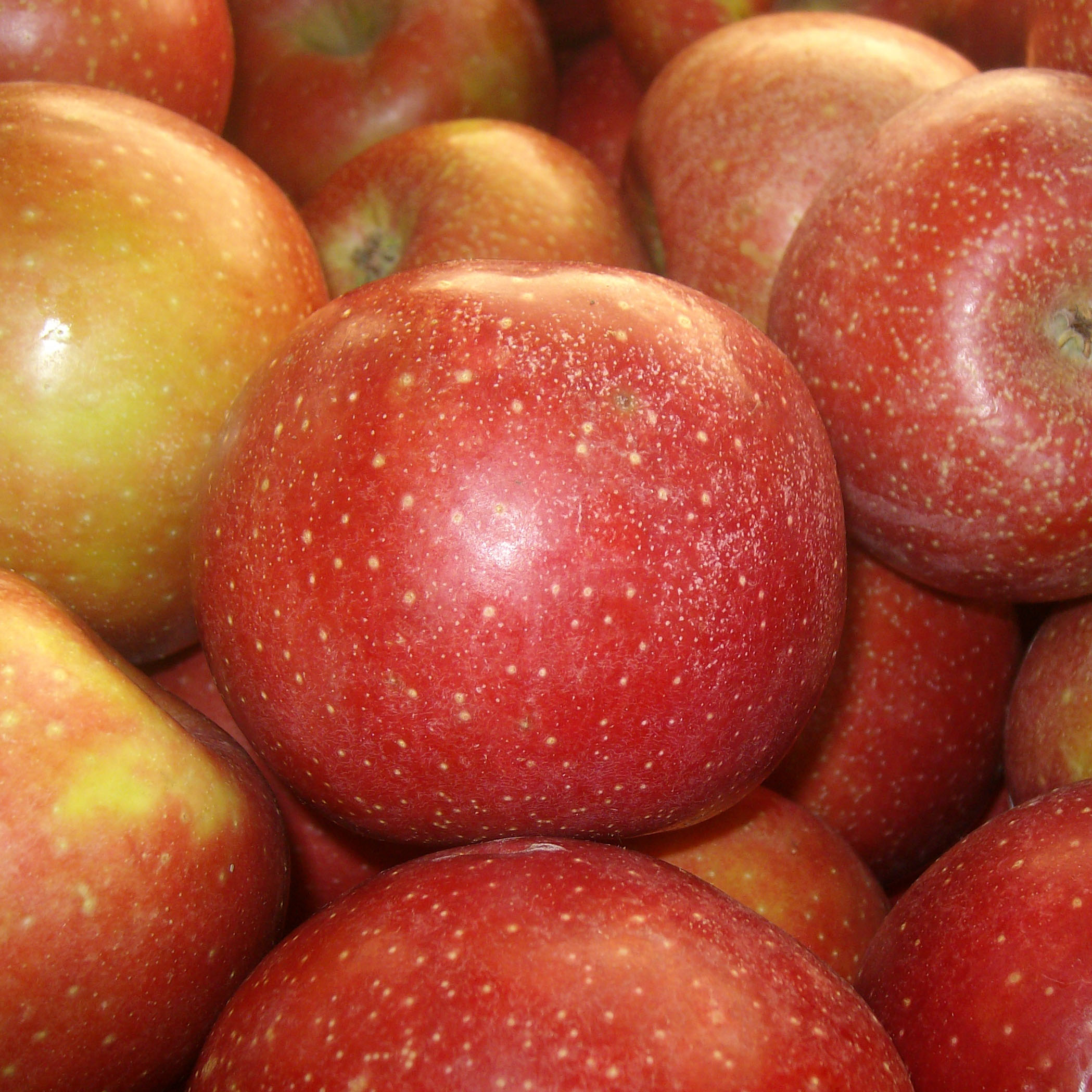
Back in 2008, European Food Safety Authority began pressing the chemical industry to provide safety information on a substance called diphenylamine, or DPA. Widely applied to apples after harvest, DPA prevents "storage scald"—brown spots that "becomes a concern when fruit is stored for several months," according to Washington State University, reporting from the heartland of industrial-scale apple production.
DPA isn't believed to be harmful on its own. But it has the potential to break down into a family of carcinogens called nitrosamines—not something you want to find on your daily apple. And that's why European food safety regulators wanted more information on it. The industry came back with just "one study that detected three unknown chemicals on DPA-treated apples, but it could not determine if any of these chemicals, apparently formed when the DPA broke down, were nitrosamines," Environmental Working Group shows in an important new report. (The EFSA was concerned that DPA could decay into nitrosamines under contact with nitrogen, a ubiquitous element, EWG notes.) Unsatisfied with the response, the EFSA banned use of DPA on apples in 2012. And in March, the agency then slashed the tolerable level of DPA on imported apples to 0.1 parts per million, EWG reports.

Read More Here

.....

Most apples in the US drenched with chemical banned in Europe

Published time: April 24, 2014 23:06


AFP Photo / Remy Gabalda
A chemical used on most non-organic American apples that preserves the fruit’s color after harvest was banned by the European Union in 2012 because its makers could not prove it did not put human health at risk, according to a new study.
The US Department of Agriculture (USDA) found in 2010 that 80 percent of apples harvested in the United States are coated with diphenylamine, or DPA, a “growth regulator” that works to stave off darkening of the fruit’s skin during months of cold storage.
DPA, regulated as a pesticide, has been used in the US since 1962. The USDA has reported that DPA residue is found more often and at greater concentrations that most other pesticide residues. The chemical has been detected in apple juice and applesauce, as well as pears and pear baby food. In fact, the USDA has consistently found that apples are one of the most pesticide-treated products in the American produce market.
Beginning in 2008, the EU’s European Commission asked European producers of DPA to prove nitrosamines – a family of powerful carcinogens – and other harmful substances would not develop from a mixture of DPA and nitrogen, a common element in the environment. The Commission was interested in whether those formations occurred when containers of DPA sat unattended, when DPA was used to treat fruit for storage, or when DPA-doused fruit was made into juices, purees, and sauces.

Read More Here

.....
Enhanced by Zemanta

CFS Warns the EPA Will Approve Agent Orange on GE Crops

The Center for Food Safety is warning the public that the EPA is set to approve the direct spraying of the herbicide 2,4-dichlorophenoxyacetic acid (2,4-D) on Dow Chemical’s genetically engineered corn and soybeans. That chemical is one-half of the compound called “Agent Orange” used in Vietnam to destroy foliage; it caused cancer among Vietnam veterans. EPA will render a decision after a 30 day comment period. Dow developed the GE crops, known as “Enlist”, to withstand high doses of 2,4-D (which it also sells) after its disastrous Roundup Ready crops created glyphosate-resistant superweeds.
Crop DustingYou can sign a petition opposing this action at CFS web site called “Dow Watch”. CFS opposes this move by the EPA because they state, “wide scale use of herbicides in tandem with GE crops has led to an epidemic of herbicide resistant weeds, and the next step in the chemical arms race is Dow Chemical’s 2,4-D, a chemical linked to major health problems including cancer, Parkinson’s disease, endocrine disruption, and reproductive problems.”

Read More Here

.....

​EPA advances approval of powerful weed killer for Dow’s ‘Agent Orange’ GMO crops

Published time: May 02, 2014 00:56
Edited time: May 03, 2014 14:35


Reuters / Doug Wilson / USDA
Photo / Handout
Reuters / Doug Wilson / USDA Photo / Handout
The US Environmental Protection Agency has revealed a proposal for mass use of Dow Chemical’s herbicide 2,4-D on the company’s genetically-engineered corn and soybeans. The GE crops were developed to withstand several herbicides, including 2,4-D.
Dow would be allowed to sell the herbicide if the EPA approves it following a 30-day public comment period.
The 2,4-D chemical, combined with glyphosate, makes up the herbicide Enlist Duo. 2,4-D also makes up half of the toxic mix in the now infamous 'Agent Orange,' used by the United States during the Vietnam War, which is thought to have resulted in the deaths of an estimated 400,000 people and birth defects in 500,000 others.
Dow’s genetically-engineered corn and soybeans – known as Enlist – have received preliminary approval from the US Department of Agriculture. Should Enlist crops win ultimate authorization, the USDA said that would increase the annual use of 2,4-D (2,4-dichlorophenoxyacetic acid) in the United States from 26 million pounds per year to possibly 176 million pounds.
The crops are designed to withstand high doses of glyphosate – brought to market by biotech giant Monsanto as their Roundup weed killer – and 2,4-D. Dow’s corn and soybeans thus earned the derogatory name 'Agent Orange' crops by opponents of both the highly-toxic chemical mix and the controversial use of genetically-modified organisms (GMOs) in large-scale agriculture.

Read More Here
.....


Monday, April 21, 2014

World’s Number 1 Herbicide Discovered in U.S. Mothers’ Breast Milk


Drawing by Gonneke and released into public domain on Wikimedia Commons

The Cornucopia Institute logo and header


April 9th, 2014

Sustainable Pulse
  • Urine testing shows glyphosate levels over 10 times higher than in Europe
  • Initial testing shows Monsanto and Global regulatory bodies are wrong regarding bio-accumulation of glyphosate, leading to serious public health concerns
  • Testing commissioners urge USDA and EPA to place temporary ban on all use of Glyphosate-based herbicides to protect public health, until further more comprehensive testing of glyphosate in breast milk is completed.
In the first ever testing on glyphosate herbicide in the breast milk of American women, Moms Across America and Sustainable Pulse have found ‘high’ levels in 3 out of the 10 samples tested. The shocking results point to glyphosate levels building up in women’s bodies over a period of time, which has until now been refuted by both global regulatory authorities and the biotech industry.
The levels found in the breast milk testing of 76 ug/l to 166 ug/l are 760 to 1600 times higher than the European Drinking Water Directive allows for individual pesticides. They are however less than the 700 ug/l maximum contaminant level (MCL) for glyphosate in the U.S., which was decided upon by the U.S. Environmental Protection Agency (EPA) based on the now seemingly false premise that glyphosate was not bio-accumulative.

Read More Here
Enhanced by Zemanta

Wednesday, April 2, 2014

USDA: Selling Out Organic to Protect Five Factory Farms

Posted: Updated:
ORGANIC EGGS
ASSOCIATED PRESS

When most Americans think about organic meat or eggs, they picture animals on small farms, allowed to root in the soil, feel sun on their backs, and engage in their natural behaviors. What they don't picture is tens of thousands of hens crammed into massive sheds with no access to soil and extremely limited outdoor access.
Unfortunately, the USDA stamped its seal of approval on the latter scenario by refusing to implement its own advisory board's animal welfare recommendations, which would have created a level playing field for the hundreds of small organic farms that were the basis for the standards. These recommendations would not have required "good" conditions, but they would have set a reasonable floor by requiring improvements from the five massive "organic" egg farms that provide the worst hen welfare.
The USDA's decision doesn't just violate our moral intuitions and the expectations of organic consumers; it also violates the Department's legal mandate in at least two distinct ways.
First, USDA is statutorily required "to establish national [organic guidelines that] meet a consistent standard." In 2005 and again in 2010, USDA's Office of the Inspector General (OIG) found that animal welfare standards were applied inconsistently, in violation of the Act's legal requirement that USDA ensure "that [organic] products meet consistent, uniform standards."
By requiring improvements from the five mega-farms such that their hen welfare standards would align with that of the hundreds of smaller farms, adopting the advisory board's recommendations would create this statutorily-mandated consistency. Ignoring those recommendations places USDA in violation of its legal mandate.

Read More Here
Enhanced by Zemanta

Wednesday, February 26, 2014

Nestle Recalls Hot Pockets with Meat “Unfit for Human Food”

Healthy Living

Nestle Recalls Hot Pockets with Meat “Unfit for Human Food”

Image Credit: Wikimedia/Lenin McCarthy

The Philly Steak and Cheese Hot Pockets and the Croissant Crust Philly Steak and Cheese varieties are the ones affected by this recall. The total amount of recalled cases is around 238,000. The site announcing the voluntary recall has since been taken down.

Nestlé’s recall is in response to a recall of meat by Rancho Feeding that also affected some Hot Pocket varieties.

According to Nestle, “Our teams at Nestle have reviewed our vendor records and have determined that one Nestle brand has been impacted by the Rancho meat recall.” They also added that this recall only affects meat used in a production facility in California.

Though the Hot Pocket recall is small, the Rancho meat recall is much larger, including some 8.7 million pounds of meat. It also is categorized as a Class I Recall, which according to the United States Department of Agriculture means “This is a health hazard situation where there is a reasonable probability that the use of the product will cause serious, adverse health consequences or death.”
So what is it about this meat that makes it so dangerous and “unfit for human food”? The answer will likely turn your stomach; it comes from diseased animals.


Read More Here
Enhanced by Zemanta

Sunday, February 23, 2014

Meat Products From Ontario Recalled for Lack of Inspection by USDA

Food Safety News

Meat imported from Canada is being recalled for lacking full USDA inspection, the Food Safety and Inspection Service announced late Saturday.
The meat products are from the Ontario-based Santa Maria Foods Corporation. About 8,895 pounds of various meat products are included in the Class II recall with a remote possibility of adverse human health consequences.  Included in the recall are:
  • 11.1-oz. “Sopressata Salami” bearing package code “2014AL30”
  • 5.1-lbs. “MASTRO Milano Salami” bearing package code “2014JN17”
  • 5.3-lbs. “MASTRO Calabrese Salami Hot” bearing package code “2014JL08” or “2014JN17”
  • 8.4-lbs. “MASTRO Sopressata Round” bearing package code “2014JL22”
  •  
  • 2.6-lbs. “MASTRO Sopressata Salami” bearing package code “2014JL09”........


View Additional Products Here
Enhanced by Zemanta