Showing posts with label WHO. Show all posts

Thursday, December 10, 2015

"This flu comes from beyond our borders, But every year it becomes wilder and more resistant" to treatment : Tehran, Health Minister Hassan Hashemi


PressTV News Videos PRESS TV

Mon Dec 7, 2015 7:18PM
A digital rendering of the H1N1 virus
At least 33 people have lost their lives following an outbreak of swine flu mainly in two southeastern Iranian provinces in the past three weeks, Iran’s deputy health minister says.

Ali Akbar Sayyari said on Monday that the flu left 28 people dead in Kerman Province and five, including four pregnant women, in Sistan and Baluchestan.

He added that there are more cases of infection across the country.


Read More Here

.......................................................................................................

Swine flu outbreak nears Tehran as Iran death toll tops 40

AFP
 
The World Health Organisation declared the swine flu pandemic over in August 2010
.
View photo
The World Health Organisation declared the swine flu pandemic over in August 2010 (AFP Photo/Sam Panthaky)
 
Tehran (AFP) - An outbreak of swine flu in Iran has claimed 42 lives since mid-November, including in a province neighbouring Tehran, Health Minister Hassan Hashemi said Thursday.

Hashemi, quoted by ISNA news agency, said 33 deaths from the H1N1 virus were recorded in Kerman and five in Sistan-Baluchistan, both provinces in southeastern Iran.

The other four deaths were in three northern provinces, including one in Karaj, near the capital, he said in an update recording nine new fatalities since Monday.

Hashemi has said the number of deaths from flu was similar to previous years, but that it was becoming harder to treat.

"This flu comes from beyond our borders, especially from Sistan-Baluchistan" near Pakistan, the minister said Monday. "But every year it becomes wilder and more resistant" to treatment.


Read More Here

Monday, December 7, 2015

Death from Medical Mistakes and Corruption in the Health Industry


  -Paul A Philips


 In the USA alone it has been estimated that at least 210,000 patients died from medical mistakes in a year making this the third leading cause of death while heart disease is the first and cancer comes second. 

  Can the above figure be used to expose the corruption in medicine? 

  The reason why it has taken so long to realise that something is not right and why so many still don't see that anything is going on can be explained like this:

On the whole, people: healthcare workers or patients or the public at large, can regard many circumstances in medicine as isolated cause and effect relationships. In other words, people generally fail to make the connections between the different cause and effect relationships.

The Connections linking medical deaths and corruption
It is necessary to make the connections so that we can step back and see the 'big picture' of what's really going on and why certain things occur: If not, then indeed, this can be likened to the analogy of looking at separated pieces of jigsaw puzzle and not having the realisation that they are somehow all
 connected and therefore not carrying out the task of joining up the pieces to see how it works overall.

-Such has happened in the circumstances surrounding deaths from medical mistakes. This is why the corruption still continues and how the villains are allowed to get away with it. The big picture and the corruption comprise the connections between: The World Health Organisation, approval bodies such as the FDA, pharmaceutical companies, equipment manufacturers, academia, research institutions, media, the legal profession, healthcare staff and patients. -All these can be tied in with 'favours for favours...'

Nothing stays the same. If everyone was concerned enough to get a deep enough level of realisation of what's really going on in medicine by connecting up the circumstances or pieces of information to find that they are interrelated (the big picture), then consequently, there would be a mass transformation of the healthcare system. This would eventually be brought about by the reactions that would follow from realising the corruption.


-This mass transformation is my vision: To see a major turnaround of the healthcare system, where treatment will be based on a genuine want to cure people. Where people are put before profits, instead of the reverse; the way it is at the moment.

 It is also the visions of other activists and dissident Doctors, growing in numbers by the day. I would say that one of the biggest reasons why more and more people are realising that they are caught up in a scandal in medicine is through the availability of the internet and its access to information that would otherwise be very difficult to get. I also find that, in some of my discussions with people, I can see that their intuition has been already telling them that something is not right in the world of medicine... 

  I predict that, in time, whether it will take a few years or many decades I don't really know, but we will have a revolution on our hands. The healthcare system will change. I have no doubt that it will be a radical change.


.....


.....

Western world medicine should be truly outstanding considering the money spent, but it is not, as exemplified in the above must see video featuring an impassioned talk by Doctor Joe Mercola with jaw-dropping facts and figures:  

Are deaths from medical mistakes THE biggest cause of death and suffering? 

  Every time deaths from medical mistakes (or deaths from medicine) are re-estimated, taking other factors into consideration the figure increases. Will we ever get a true figure?

Over the last few decades, the more technology that has been introduced into orthodox medicine be it, drugs, state-of-the-art equipment, apparatus, technical expertise...the more unnecessary procedures there are. I'm not for one minute saying that all technology is bad, but a lot of it can do a great deal of harm.

Monday, November 30, 2015

Roughly 80 Norwegian college students have reportedly contracted mumps. Many of which had been previously vaccinated with the MMR vaccine.


http://drugline.org/img/term/vaccination-mumps-15714_0.jpg
Drugs Information Online
............................................................................................................

Vaccinated Norwegians Get Mumps During “Outbreak”


Roughly 80 Norwegian college students have reportedly contracted mumps. Of the 80, many reportedly were previously vaccinated with the MMR vaccine, which, by all logical and reasonable accounts, should have protected them. However, Norwegian health officials are making excuses over the matter.

According to OutBreakNewsToday.

Several of those who are now sick with mumps are Norwegian students who have previously received two doses of MMR vaccine is recommended.
It is possible to get sick with mumps even if you have been fully vaccinated against the disease, confirming Margrethe Greve-Isdahl, chief physician at the Department of vaccine, Public Health (FHI).


Read More Here


.....................................................................................................

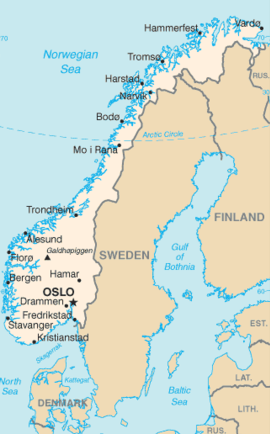
The Norway Institute for Public Health, or Folkehelseinstituttet has announced a mumps outbreak, primarily among university students. The first reported cases were in the Trondheim area–the Norwegian technical and University of Science and Technology (NTNU) and the University College of Sør-Trøndelag (HIST) in late October.

Norway/CIA
Norway/CIA

Now the case count hovers around 80 and health officials expect the cases to increase in coming weeks.

Several of those who are now sick with mumps are Norwegian students who have previously received two doses of MMR vaccine is recommended.

It is possible to get sick with mumps even if you have been fully vaccinated against the disease, confirming Margrethe Greve-Isdahl, chief physician at the Department of vaccine, Public Health (FHI).
 
In Norway, the vaccine against mumps in the MMR vaccine (measles, mumps and rubella) offered in the childhood immunization. First dose offered to children at 15 months of age and second dose at 11 years of age (6th grade). FHI generally recommend that all who have not received two doses of MMR vaccine are eligible for this. This also applies to students who come to Norway. Upon initial vaccination is recommended that at least three months between doses, but there is a benefit to the immune response if it goes longer.


Read More Here

Tuesday, November 24, 2015

EFSA Findings : Glyphosate by itself doesn’t cause cancer. But products like Monsanto’s Roundup, which contain glyphosate and other additives are another story.


Organic Consumers Association

Campaigning for health, justice, sustainability, peace, and democracy

Monsanto’s Roundup: The Whole Toxic Enchilada

November 19, 2015
Monsanto’s Roundup: The Whole Toxic Enchilada


Last week, while we waited for the U.S. Environmental Protection Agency (EPA) to announce whether or not the agency will give Monsanto’s Roundup a free pass by green lighting the use of glyphosate for another 15 years, the EPA’s counterpart in the EU made its own big announcement.
Glyphosate is “unlikely to cause cancer” said the authors of the new report by the European Union Food Safety Authority (EFSA).

That headline, music to Monsanto’s ears, seemed to fly in the face of the findings published earlier this year by the World Health Organization (WHO). After extensive review of the evidence, all 17 of WHO’s leading cancer experts said glyphosate is a “probable human carcinogen?”

Sustainable Pulse (SP), publisher of global news on GMOs and other food-related issues, quickly reported the glaring omission made by the majority of news sources reporting on EFSA’s findings.
According to SP, what EFSA really concluded is this: Glyphosate by itself doesn’t cause cancer. But products like Monsanto’s Roundup, which contain glyphosate and other additives and chemicals that are essential to making the herbicide work? That’s another, or in this case, the rest of the story.

Read More Here

Monday, November 16, 2015

Women are twice as likely to die from causes related to pregnancy or childbirth in the United States than in Canada


Having A Baby In The U.S. Is Twice As Dangerous As In Canada

Our maternal mortality rate has gotten worse since the '90s.

Kelvin Murray via Getty Images 
 
 
Women are twice as likely to die from causes related to pregnancy or childbirth in the United States than in Canada, a new global survey of maternal mortality published by the United Nations and the World Bank showed on Thursday.

The United States was also one of only 13 countries to have worse rates of maternal mortality in 2015 than in 1990 - a group that also includes North Korea, Zimbabwe and Venezuela.

The survey, led by the World Health Organization, aims to track progress against the U.N. Millennium Development Goals. It estimated there would be 303,000 maternal d
eaths globally this year, down from 532,000 in 1990.


Read More Here

Saturday, May 10, 2014

Resistance to antibiotics poses a "major global threat" to public health, says a new report by the World Health Organization (WHO).

Antibiotic resistance now 'global threat', WHO warns


Lab research into new antibiotics WHO called for more preventative measures against infection
It analysed data from 114 countries and said resistance was happening now "in every region of the world".
It described a "post-antibiotic era", where people die from simple infections that have been treatable for decades.
There were likely to be "devastating" implications unless "significant" action was taken urgently, it added.
The report focused on seven different bacteria responsible for common serious diseases such as pneumonia, diarrhoea and blood infections.
It suggested two key antibiotics no longer work in more than half of people being treated in some countries.
What we urgently need is a solid global plan of action which provides for the rational use of antibiotics”
Dr Jennifer Cohn Medecins sans Frontiers
One of them - carbapenem - is a so-called "last-resort" drug used to treat people with life-threatening infections such as pneumonia, bloodstream infections, and infections in newborns, caused by the bacteria K.pneumoniae.
Bacteria naturally mutate to eventually become immune to antibiotics, but the misuse of these drugs - such as doctors over-prescribing them and patients failing to finish courses - means it is happening much faster than expected.
The WHO says more new antibiotics need to be developed, while governments and individuals should take steps to slow the process of growing resistance.
In its report, it said resistance to antibiotics for E.coli urinary tract infections had increased from "virtually zero" in the 1980s to being ineffective in more than half of cases today.
In some countries, it said, resistance to antibiotics used to treat the bacteria "would not work in more than half of people treated".

Read More Here

.....

Antibiotic resistance: 6 diseases that may come back to haunt us

Still think of TB, typhoid and gonorrhoea as infections from the past? WHO's terrifying report will make you think again
Neisseria gonorrhoeae, the bacteria that causes the sexually transmitted disease gonorrhoea
Neisseria gonorrhoeae, the bacteria that causes the sexually transmitted disease gonorrhoea. Photograph: Dr. David M. Phillips/Getty Images/Visuals Unlimited
Diseases we thought were long gone, nothing to worry about, or easy to treat could come back with a vengeance, according to the recent World Health Organisation report on global antibiotic resistance. Concern at this serious threat to public health has been growing; complacency could result in a crisis with the potential to affect everyone, not just those in poor countries or without access to advanced healthcare. Already diseases that were treatable in the past, such as tuberculosis, are often fatal now, and others are moving in the same direction. And the really terrifying thing is that the problem is already with us: this is not science fiction, but contemporary reality. So what are some of the infections that could come back to haunt us?

Tuberculosis

TB ought to be treatable within six months once people are prescribed a course of drugs including the once potent antibiotics isoniazid and rifampicin. But today, resistance has emerged not only to these medicines, but to the wider range of pharmaceuticals used to treat the disease. This has led to the emergence of multi-drug-resistant TB, the still less treatable extensively drug-resistant TB (XDR-TB), and even to total drug-resistant TB, which has only officially been confirmed in India. Countries such as South Africa have run out of treatment options for many of their patients and are having to discharge them from hospital. Resistance to TB has reached a global scale with XDR-TB now reported in 92 countries.

Gonorrhoea

The sexually transmitted nature of this infection makes it something many are reluctant to talk about or admit to having. However, it's long been thought of as easily treatable and nothing much to fear. Once fixable with penicillin and tetracycline, the bacteria behind the disease have developed such high levels of resistance that there is only one drug left that can treat it. Even this antibiotic, ceftriaxone, is becoming less effective. With last-resort drugs losing their impact, this sexually transmitted infection (STI) could spread throughout the population.

Klebsiella

It's likely that you've never heard of this common bacterium, which can cause a wide range of conditions including pneumonia, urinary tract infections, septicaemia, meningitis and diarrhoea. It fits into a wider group of bacteria with the apt acronym of Eskape owing to their ability to avoid the effects of the antibiotics used against them. The acronym stands for the names of the bacterial group members: Enterococcus faecium; Staphylococcus aureus; Klebsiella pneumoniae; Acinetobacter baumannii; Pseudomonas aeruginosa; and Enterobacter. Klebsiella and the rest of this group are increasingly being acquired in hospitals. While we fear MRSA, it is in fact a declining threat in hospitals; at the same time Eskape pathogens are causing more and more problems. As the WHO report highlighted, routine hospital visits or treatments could result in these previously treatable bacteria having fatal consequences.

Read More Here

.....
Enhanced by Zemanta

Friday, May 2, 2014

The levels of radiation that we are constantly exposed to have risen dramatically over the last half century. Here's how to protect yourself.

Prevent Disease


April 30, 2014 by DR. SUZANNE BARTOLINI
The levels of radiation that we are constantly exposed to have risen dramatically over the last half century. Ambient fallout from nuclear catastrophes is impacting our environment, and ultimately our health, as we all come in contact with radioactive materials. Here's how to protect yourself.

The bombings of Hiroshima and Nagasaki in 1945, the Chernobyl nuclear disaster in 1986, and the most recent 2011 Japan Tsunami calamity at Fukushima nuclear power plant have each had devastating consequences for the environment, damaging the ecosystem and the quality of our air, water, and soil.
The greatest health consequences of a nuclear accident or explosion are linked to radioactive materials (radio-nuclides) that can travel through air and water for thousands of miles, contaminating the world with radioactive particles. Once the human body is exposed to nuclear fallout, radioactive isotopes can remain in the body for many years, causing unpredictable chemical reactions. Absorption of radiation, especially over prolonged periods of time, can result in free radical damage, mutational damage to DNA, and cellular dysfunction, inducing several diseases. Symptoms of radiation toxicity can include fatigue, migraines, infertility, allergic reactions, hypertension, disorders of the central nervous system, anxiety, memory loss, rheumatic pains, flu-like symptoms, low red and white blood cell counts, etc.
Ionizing and Non-Ionizing Radiation

 There are two types of radiation: ionizing and non-ionizing. Both types cause DNA damage and form harmful free radicals. Ionizing radiation is produced from nuclear reactors, nuclear bombs, nuclear waste, and diagnostic equipment like x-rays and CT scans. Ionizing radiation is considered the most harmful. The most common diseases linked to ionizing radiation include thyroid disease, leukemia and various cancers, anemia, bone and blood disorders, endocrine (hormonal) disruption, reproductive abnormalities and birth defects, kidney and liver damage, and overall severely damaged immune systems.Non-ionizing radiation is a type of electromagnetic radiation produced by electronic devices such as televisions, cell phones and towers, wireless devices, computers, high voltage electrical lines, radios, microwaves, etc. Non-ionizing radiation disrupts molecules as it passes through the body, and there is an increasing body of research demonstrating that exposure to electromagnetic frequencies (EMFs) can alter the behaviour of cells and hormones. For example, EMFs can cause the body to reduce production of the hormone melatonin, affecting immune processes and causing increased defects, sterility, and fetus mortality rates in laboratory animals. In 1987, scientists discovered a significant link between increased incidence of childhood cancer and close proximity to high tension power lines and commonly used electronic devices. 

Radiation-induced Thyroid Disease

A variety of dangerous radioactive materials are known to be released during nuclear power plant accidents. Among the most worrisome are cesium-137 and iodine-131, which emit Gamma rays and have affinities for parts of the human body. Cesium-137 mimics potassium inside the body and accumulates mainly in the liver, kidneys, and the reproductive system. Iodine-131 is rapidly absorbed by the thyroid gland and increases the risk of thyroid growths and cancer.

And radioactive emissions are not limited only to nuclear accidents. According to Professor Ernest Sternglass of the University of Pittsburgh School of Medicine, an expert on radiation physics: “By design, nuclear power reactors must regularly release steam to lower the intense heat produced. Invisible radioactive particles are emitted into the atmosphere along with the steam and are carried on air currents, eventually falling to the ground with rain and snow... Many cancer hot spots are related to nuclear fallout carried by wind currents from distant locations, which later come down with rain or snow over a particular area, raising the cancer risk among a local population that received the precipitated radioactive fallout.”

The thyroid gland is the first to uptake radioactive iodine, and even when small amounts are inhaled or ingested they will concentrate in the thyroid gland. Most North Americans are iodine deficient which makes them more vulnerable to radioactive iodine. If there is an iodine deficiency in the diet, radioactive iodine-131 will be absorbed and accumulate in the thyroid gland because the thyroid does not distinguish between radioactive and non-radioactive iodine. Having adequate iodine in the body therefore prevents radioactive iodine from attaching to the thyroid gland.

Potassium iodide pills can be taken to prevent the uptake of radioactive iodine in the event of a nuclear accident. Supplementing with potassium Iodine (KI) in either pill form or saturated liquid form (super saturated potassium iodide or SSKI), is the best way to quickly load iodine into the thyroid. Potassium iodine (KI) can be administered in prophylactic doses within 24 hours of exposure in radiation emergencies, and for a short period of time after exposure. In 1986 after the Chernobyl accident, people who were administered potassium iodide experienced less childhood thyroid cancers compared to those who were not. The World Health Organization also recommends potassium iodide supplementation to prevent the thyroid’s uptake of radioactive iodine.

Consuming natural sources of iodine helps offset the side effects of radiation exposure. The best natural source of iodine comes from seaweeds (also referred to as sea vegetables), however there is renewed controversy surrounding seaweed that may be harvested from polluted ocean waters. Kelp is perhaps the most well-known seaweed; others include wakame, kombu, dulse, nori, hijiki, and arame.
In North American studies, seaweed was found to neutralize radioactive isotopes in the human body. Researchers discovered that certain radioactive materials can bind to the algin in brown seaweeds to create “sodium alginate” which has a unique quality in that it can bind heavy metals and radioactive elements, preventing their absorption by the body. In one Canadian study, sodium alginate from kelp reduced radioactive strontium absorption in the intestines by 50 percent to 80 percent.

Other Nutritional and Antioxidant Treatments for Combating Radiation

A large number of nutrients and foods are suggested as being helpful in preventing or limiting, or even counteracting, the effects of nuclear radiation. Below are some that are especially noted for their beneficial effects:
MISO -- this fermented food made from soybeans has long been used in Japan for both protection from radiation, detoxification, and for stimulating the immune system. Miso is also well-documented to benefit circulation and remove blood clots. Miso soup was used as the primary antidote for the effects of radiation poisoning after the Hiroshima bombing. A 1990 Hiroshima University study concluded that people who regularly consume miso soup may be up to five times more resistant to radiation poisoning than people who do not.

SPIRULINA -- is a blue-green algae that is extremely rich in nutrients. It contains beta carotene, vitamin B-12, iron, chlorophyll, GLA fatty acids, and much more. Spirulina has been studied extensively in Russia and China, where research has shown it chelates radiation from the body, as well as provides general protection from radiation toxicity. One study in particular demonstrated how children on a protocol of spirulina after Chernobyl had improved immunity and T-cell counts. Chlorella algae is often listed along with spirulina as an equivalent radiation chelator. However, although chlorella is well-regarded as an excellent heavy metal detoxifier and is also known to reduce chemotherapy side-effects, it has not been demonstrated in research to counter the effects of nuclear radiation.

R-LIPOIC ACID -- is a unique, vitamin-like antioxidant that protects the body from free radical damage. Research performed in Russia found that lipoic acid is one of the most effective anti-radiation nutrients available. Research continues to demonstrate that it has many benefits as a super antioxidant and metal chelator, working to repair liver damage, combat radiation sickness, treat diabetes, and protect against free radical damage.

Glutathione (GSH) and N-acetyl-cysteine (NAC) -- Glutathione is an internally produced antioxidant that enhances the ability of immune system cells and protects against radiation damage. Studies have also shown that GSH can reduce side effects of chemotherapy, xrays, and alcohol. In addition, it is well-known as a detoxifier of heavy metals, and is extremely useful in the treatment of blood and liver disorders. Supplementing with N-acetyl-cysteine (NAC), a glutathione precursor, stimulates glutathione synthesis. NAC itself is a powerful antioxidant that is effective in detoxifying the liver. Sulphur-containing foods such as cabbage, broccoli, and kale also help the body to produce GSH.

SELENIUM -- is a cofactor of glutathione production and activates the antioxidant enzyme glutathione peroxidase, which is believed to protect the body from cancer in large part by increasing white blood cell counts. The largest study performed with selenium demonstrated that people supplementing with selenium developed less prostate, colorectal, and lung cancers. While there are no human studies to support the theory that selenium directly protects against radiation, research performed on rats has demonstrated that selenium decreased death rates in rats who were directly exposed to radiation.

GREEN AND BLACK TEAS -- Studies have shown that both green and black teas provide some degree of protection against radiation. Tea catechins seem to absorb and eliminate radioactive isotopes. The polyphenol epigallocatechin gallate (EGCG) derived from green tea has been shown in animal studies to protect from whole-body radiation. Regular black tea exhibited the same anti-radiation effects in several Japanese studies.

BENTONITE CLAY -- Has also been recommended for detoxing after radiation exposure, but this is not confirmed by research. Bentonite clay is well-documented in traditional medicine to bind heavy metal toxins and effectively flush them from the body.

Botanical Medicines as Potential Radiation Protectors

Ongoing research on several plants and herbs is demonstrating their potential radioprotective abilities. The natural chemicals, referred to as polyphenols, that are present in various botanicals have been shown to counteract the oxidative stress that is induced by ionizing radiation. They tend to do this either by scavenging radiation-induced free radicals and/or by elevating antioxidant levels in the body.
Many of the botanicals currently being researched have medicinal properties and have been safely used in traditional Chinese and Ayurvedic systems of medicine. These include various plants such as: Podophyllum hexandrum, tinospora cordifolia, phyllanthus amarus, piper longum (pippali) fruit, arctium lappa (burdock root), and zingiber officinale (ginger). The most notable research, however, has been performed on panax ginseng and gingko biloba.

PANAX GINSENG -- Studies have successfully demonstrated that treatment with panax ginseng extract aided recovery of cells involved in blood clotting (thrombocytes) and red blood cell counts in blood after radiation exposure. Clinical trials reported that people who took panax ginseng extract for thirty days following exposure to radiation showed a faster recovery rate from injuries to their bone marrow, organs, skin, and blood cells. In animal studies, ginseng extract prevents bone marrow injury and accelerates the recovery of both red and white blood cell counts.

GINGKO BILOBA -- Solid research has been performed on extracts of ginkgo biloba, which contain antioxidant compounds that protect cells from free radical damage. Specifically, the results suggest that the gingko biloba extracts prevent cells from undergoing apoptosis (programmed cell death). A study was performed on healthy white blood cells that were then exposed to gamma radiation. Half of the sample was treated with the ginkgo biloba extract and these cells showed protection from the radiation while the untreated cells underwent apoptosis. The study concluded that the extracts of the leaves of the gingko biloba tree may protect human cells from radiation damage.

PECTIN -- Ongoing studies are researching pectin as a natural chelating agent. Pectin is a structural polysaccharide (fiber) found in cell walls of plants and fruits. Some studies have demonstrated it to be beneficial for binding and removing radioactive residues from the body. Pectin-rich foods include apples, guavas, plums, gooseberries, and citrus fruits.

Caveat, re: Iodine -- While Dr. Joseph Mercola recognizes that optimal amounts of dietary iodine are important to nourish the thyroid, he warns about the risk of getting too much iodine: “Taking too much iodine may lead to subclinical hypothyroidism, which occurs when your thyroid produces too little thyroid hormone. It’s an ironic association, since hypothyroidism is often linked to iodine deficiency, But research published in the American Journal of Clinical Nutrition revealed that study participants taking relatively higher doses of supplemental iodine -- 400 micrograms a day and more -- paradoxically began developing subclinical hypothyroidism.”

Dr. Mercola also points to a major culprit in the epidemic of iodine deficiency in North Americans today:bromine exposure. “When you ingest or absorb bromine (found in baked goods, plastics, soft drinks, medications, pesticides and more), it displaces iodine, and this iodine deficiency leads to an increased risk for cancer of the breast, thyroid gland, ovary and prostate -- cancers that we see at alarmingly high rates today.”

Food IS Medicine

Buckwheat is an important food to include, according to researchers. Buckwheat is high in the bioflavonoid rutin, and research supports its protective effects against radiation, and stimulating new bone marrow production. Also important to include in the diet are dried beans, especially lentils, which have been shown to reverse DNA damage caused by radiation. Incorporating medicinal mushrooms such as reishi and chaga mushrooms into the diet can also protect from radiation-induced, cancers according to research.

Much of the damage caused by radiation can be attributed to a high level of acidity and the inflammation that results in several diseases. Consuming alkalizing foods can have a multitude of benefits, and is protective against radiation-induced illnesses. Alkalinizing foods include whole grains, fruits, leafy green vegetables, essential fatty acids, lean proteins, etc, whereas acidifying foods are processed foods, refined carbohydrates, and sugar.

Sources:
psr.org
vitalitymagazine.com
mercola.com

townsendletter.com

Enhanced by Zemanta

Monday, January 27, 2014

Brucea javanica has been found to kill 70% of breast cancer cells.

PreventDisease.com

Jan 24, 2014 by DR. MARIANNA POCHELLI

Amazing Medicinal Plant Kills Malignant Tumors and Destroys 70 Percent of Breast Cancer Cells

Beyond limited empirical observations, not all medicinal plants have established scientific studies to support their effectiveness. However, in the case of Brucea javanica, it is one of those plants in which scientific investigations have provided enough evidence to prove that it has an impressive efficacy for the treatment of cervical, bladder and pancreatic cancers. Its selective toxicity has also been found to kill 70% of breast cancer cells.

Brucea javanica photo Bruceajavanica_zps63d57329.jpg

Oncologists are still at a loss to find methods of selectively killing cancer cells through the standard protocols of treatment in chemotherapy and radiation. While damaging healthy cells is an inevitable process through most cytotoxic drugs, chemotherapy also triggers them to secrete a protein that sustains tumour growth and resistance to further treatment.
As more knowledge and research is being extended to populations confined to conventional allopathic principles, the broad categories of herbal and plant medicines are finally reaching the mainstream. The effectiveness of medicinal plants and foods to treat cancer is perhaps receiving the most widespread attention. Dietary anti-angiogenic foods alone have sparked so much interest in the cancer community, that even veteran Physicians are beginning to recommend them to cancer patients.
Brucea javanica (Brucea javanica (L.) Merr) is one of those plants that needs far more recognition in this catergory for its incredible ability to selectively kill cancer cells.
A shrub original from South-east Asia, and occurs from Sri Lanka and India towards Indo-China, southern China, Taiwan, Thailand and even northern Australia, B. javanica has been the subject of hundreds of studies and clinical trials, all of them aimed to better understand two main key issues: First how effective this plant really is; and secondly, if it is so effective, which active constituents are responsible for its anti-cancer properties.
B. javanica is a monoecious or dioecious shrub or small tree that can grow up to 10 m tall with soft-haired twigs and leaves. It prefers open localities such as light secondary forests and thickets, forest edges, ridges, and even occurring in sunny places on sandy dunes and on limestone. It grows under both per-humid and seasonal conditions from sea level up to 900 m altitude
For several millennia, herbal preparations and natural remedies from B. javanica have been shown to be effective in treating many types of maladies including malaria, and amoebiasis as well as cancer. Approximately half of the drugs currently in clinical use are of natural origin, however many of these drugs become toxic with substantial side effects due to the integration of artificial chemical compounds in their formulas.
B. javanica contains alkaloids (brucamarine, yatanine), glycosides/quassinoids (brucealin, yatanoside A and B, kosamine, bruceantin, bruceantarin, bruceantinol), and phenol (brucenol, bruceolic acid). The seeds contain brusatol and bruceine. The pulp oil contains fat, oleic acid, linoleic acid, stearic acid, and palmitoleic acid. Fruit and leaves contain tannin.
To date, 153 compounds have been reported from the seeds and aerial parts of Brucea javanica. Quassinoids are the main constituents of this species. The extract of Brucea javanica and the isolated compounds, specifically quassinoids exhibit various biological properties and are well known for their antitumor effects, especially how they are selectively toxic to cancer cells.
A study in the American Journal of Medical Science demonstrated that the aqueous extract from B. javanica and the induction of apoptosis by components of B. javanica is an indicated mechanism by which it kills cancer cells. The study found that B. javanica treatment lead to 70% cell death in breast cancer cells.
Another study in the American Journal of Chinese Medicine from researchers at the Department of Urology, The First Affiliated Hospital, Zhejiang University School of Medicine, Hongzhou, China, found that B. javanica oil significantly induces programmed cell death of bladder cancer cells.
A study from the international journal Cancer Letters, researchers showed that brucein D (BD), a quassinoid found abundantly in B. javanica fruit, inhibited the growth of three pancreatic cancer cell lines. They provided experimental evidence to support the traditional use of B. javanica fruit in cancer treatment, and render BD a promising candidate for further development into anti-pancreatic cancer agent.
Yet another study in the International Journal of Molecular Medicine, demonstrated the antiproliferative and apoptotic activities of B. javanica along with other herbal traditional Chinese medicines. They concluded that the programmed cell death of cancer cells activated by specific proteins was 5 times higher in cells treated with B. javanica.
Bruceantin, a contituent of B. javanica has also been found to interfere with the growth of leukemia, lymphoma, and myeloma cells.
Regardless of centuries of empirical observation as well as the scientifically documented evidence of B. javanica as a medicinal plant and bonafide anti-cancer potential, the World Health Organization (WHO) monographs of selected medicinal plants, claims that no medical uses for B. javanica are supported by clinical data.
Dr. Marianna Pochelli is a Doctor of Naturopathic Medicine specializing in the treatment of disease through superfoods and herbal strategies. She actively promotes detoxification, colon cleansing, and a vegetarian lifestyle using living foods as a platform to health.


5 Foods That Kill Cancer And Help The Body Destroy Tumours Without Any Drugs


Enhanced by Zemanta

Tuesday, December 3, 2013

Richard E. Goodman, new "Associate Editor for biotechnology" for the scientific journal Food and Chemical Toxicology (FCT) , is a former Monsanto employee

Monsanto Targets the Heart of Science: The Goodman Affair
Richard Smith, former editor of the British Medical Journal, has jested that instead of scientific peer review, its rival The Lancet had a system of throwing a pile of papers down the stairs and publishing those that reached the bottom. On another occasion, Smith was challenged to publish an issue of the BMJ exclusively comprising papers that had failed peer review and see if anybody noticed. He replied, "How do you know I haven't already done it?"
As Smith's stories show, journal editors have a lot of power in science – power that provides opportunities for abuse. The life science industry knows this, and has increasingly moved to influence and control science publishing.
The strategy, often with the willing cooperation of publishers, is effective and sometimes blatant. In 2009, the scientific publishing giant Elsevier was found to have invented an entire medical journal, complete with editorial board, in order to publish papers promoting the products of the pharmaceutical manufacturer Merck. Merck provided the papers, Elsevier published them, and doctors read them, unaware that the Australasian Journal of Bone and Joint Medicine was simply a stuffed dummy.
Fast forward to September 2012, when the scientific journal Food and Chemical Toxicology (FCT) published a study that caused an international storm (Séralini, et al. 2012). The study, led by Prof Gilles-Eric Séralini of the University of Caen, France, suggested a Monsanto genetically modified (GM) maize, and the Roundup herbicide it is grown with, pose serious health risks. The two-year feeding study found that rats fed both suffered severe organ damage and increased rates of tumors and premature death. Both the herbicide (Roundup) and the GM maize are Monsanto products. Corinne Lepage, France's former environment minister, called the study "a bomb".
Subsequently, an orchestrated campaign was launched to discredit the study in the media and persuade the journal to retract it. Many of those who wrote letters to FCT (which is published by Elsevier) had conflicts of interest with the GM industry and its lobby groups, though these were not publicly disclosed.
The journal did not retract the study. But just a few months later, in early 2013 the FCT editorial board acquired a new "Associate Editor for biotechnology", Richard E. Goodman. This was a new position, seemingly established especially for Goodman in the wake of the "Séralini affair".
Richard E. Goodman is professor at the Food Allergy Research and Resource Program, University of Nebraska. But he is also a former Monsanto employee, who worked for the company between 1997 and 2004. While at Monsanto he assessed the allergenicity of the company's GM crops and published papers on its behalf on allergenicity and safety issues relating to GM food (Goodman and Leach 2004).
Goodman had no documented connection to the journal until February 2013. His fast-tracked appointment, directly onto the upper editorial board raises urgent questions. Does Monsanto now effectively decide which papers on biotechnology are published in FCT? And is this part of an attempt by Monsanto and the life science industry to seize control of science?
To equate one journal with "science" may seem like an exaggeration. But peer-reviewed publication, in the minds of most scientists, is science. Once a paper is published in an academic journal it enters the canon and stands with the discovery of plate tectonics or the structure of DNA. All other research, no matter how groundbreaking or true, is irrelevant. As a scientist once scathingly said of the "commercially confidential" industry safety data that underpin approvals of chemicals and GM foods, "If it isn't published, it doesn't exist."
Monsanto Targets the Heart of Science: The Goodman Affair
photo: Richard E Goodman, University of Nebraska
Goodman's ILSI links
The industry affiliations of FCT's new gatekeeper for biotechnology are not restricted to having worked directly for Monsanto. Goodman has an active and ongoing involvement with the International Life Sciences Institute (ILSI). ILSI is funded by the multinational GM and agrochemical companies, including Monsanto. It develops industry-friendly risk assessment methods for GM foods and chemical food contaminants and inserts them into government regulations.
ILSI describes itself as a public interest non-profit but its infiltration of regulatory agencies and influence on risk assessment policy has become highly controversial in North America and Europe. In 2005 US-based non-profits and trade unions wrote to the World Health Organization (WHO) protesting against ILSI's influence on international health standards protecting food and water supplies. As a result, the WHO barred ILSI from taking part in WHO activities setting safety standards, because of its funding sources.  And in Europe in 2012, Diana Banati, then head of the management board at the European Food Safety Authority (EFSA), had to resign over her undisclosed long-standing involvement with ILSI (Robinson et al. 2013).

Read More Here
Enhanced by Zemanta

Thursday, August 1, 2013

If the whole purpose of vaccines is to ‘save children’, why give a shot that statistics indicate will HARM more kids than it will HELP?

Pediatrician Says 5-in-1 Vaccine Pushed by Bill Gates’ GAVI, WHO Will Kill 3,125 Babies


Aaron Dykes and Melissa Melton
Activist Post
At least 70 infants across five developing nations have died shortly after receiving a World Health Organization- (WHO) and GAVI-backed pentavalent 5-in-1 vaccine that combines the Diphtheria, Pertussis, Tetanus (or DPT) shot with the Hepatitis-B and H influenza-b (or Hib) vaccines.
According to a recently published editorial in the Indian Journal of Medical Ethics by St. Stephens Hospital Head Pediatrician Dr. Jacob Puliyel, thousands more babies are expected to perish for what will be a negligible impact in the supposed campaign to stop disease.
The Office of Medical and Scientific Justice reported:
In a hard hitting editorial, the Indian Journal of Medical Ethics (IJME) has accused the WHO of promoting Pentavalent vaccine ‘by stating falsely that no adverse event following immunization (AEFI) has ever been reported with the vaccine.’ The journal says this is contrary to facts.
The IJME editorial by Dr. Jacob Puliyel, head of pediatrics at St Stephens Hospital in New Delhi, is based on his detailed investigation into the deaths of children in Bhutan, Sri Lanka, India and Vietnam following use of Pentavalent vaccine.
The IJME editorial says that On 4 May 2013 the Ministry of Health of Viet Nam suspended Quinvaxem — the Pentavalent combination used in that country — after 12 deaths and 9 other non-fatal serious adverse events. According to local news reports, all the babies who died were in good health prior to vaccination and had serious trouble breathing before dying shortly afterwards.
This vaccine — that IS NOT approved for use even by the U.S. Food and Drug Administration (which seems to approve almost anything, let’s be honest) — is specifically being pushed only in developing countries. Infant deaths have been repeatedly linked to the pentavalent vaccine’s use. Bhutan, Sri Lanka, Pakistan and Vietnam have already banned the vaccine; Bhutan had banned it once after four babies died, but apparently reinstated it at the WHO’s urging, then banned it again after four more babies died.
Even though all the evidence points to the pentavalent vaccine being dangerous at the very least, the Bill Gates-founded GAVI (formerly the Global Alliance for Vaccines and Immunization) plans to shoot up even more kids with it:


Read More Here


Enhanced by Zemanta