SEPTEMBER 22, 2015 by APRIL McCARTHY
There
are many foods that may be hurting your mood, making you sick, and even
pushing you toward depression! On the flip side there are many foods
that promote your health, give you energy, turbocharge your memory and
focus, and improve your mood. These are some of the most effective foods
in that category.

1) COFFEE
80% of the caffeine in the world is consumed as coffee. Prospective studies of men and caffeine use showed a strong inverse association between coffee drinking and depression, with no association for tea or cola. A piece of epidemiology from the Nurses' Health Study was published in the Archives of Internal Medicine in 2011: Coffee, Caffeine, and Risk of Depression Among Women. So the more the merrier, but forget those weaker brews. Three cohort studies in the past have shown an inverse relationship between coffee consumption and suicide.
2) SWEET POTATOES
They're a great alternative to standard spuds as they are rich in folate, plus they are better than white potatoes at keeping blood sugar levels steady. And since folate contributes to the production of serotonin, it may help ward off depression and improve mood. In addition, vitamin B6 helps create dopamine, a mood neurotransmitter that may help combat PMS.
3) CHILI PEPPERS
The brain is loaded with receptors for capsaicin. We also know that our brains respond to the heat of capsaicin by releasing endorphins, natural compounds that are related to morphine and have a calming effect.
4) LEGUMES
Peas and beans are good sources of magnesium, a mineral that plays a core role in your body's energy production. The National Institutes of Health (NIH) lists magnesium as being necessary for more than 300 biochemical reactions in the body.
5) SPINACH
If you're more a salad type than a carnivore, spinach is one of your best go-to sources for iron, which helps deliver energy-sustaining oxygen to your cells. It wards off fatigue and aids concentration. It's also a good source of vitamin B6 and folate, which support the brain's ability to produce mood-boosting neurotransmitters, such as serotonin.
6) BERRIES
These super fruits help stave off the brain aging that can lead to slower thought processing. Thank the anthocyanins (antioxidants that lend berries their hues); these substances may work with other compounds in the fruit to block enzymes that short-circuit normal communication between brain cells. Since each type of berry has its own mix of phytochemicals, go for a variety.
7) BRAZIL NUTS
They're one of the best sources of the mood-boosting mineral selenium, which can ward off low mood and anxiety.
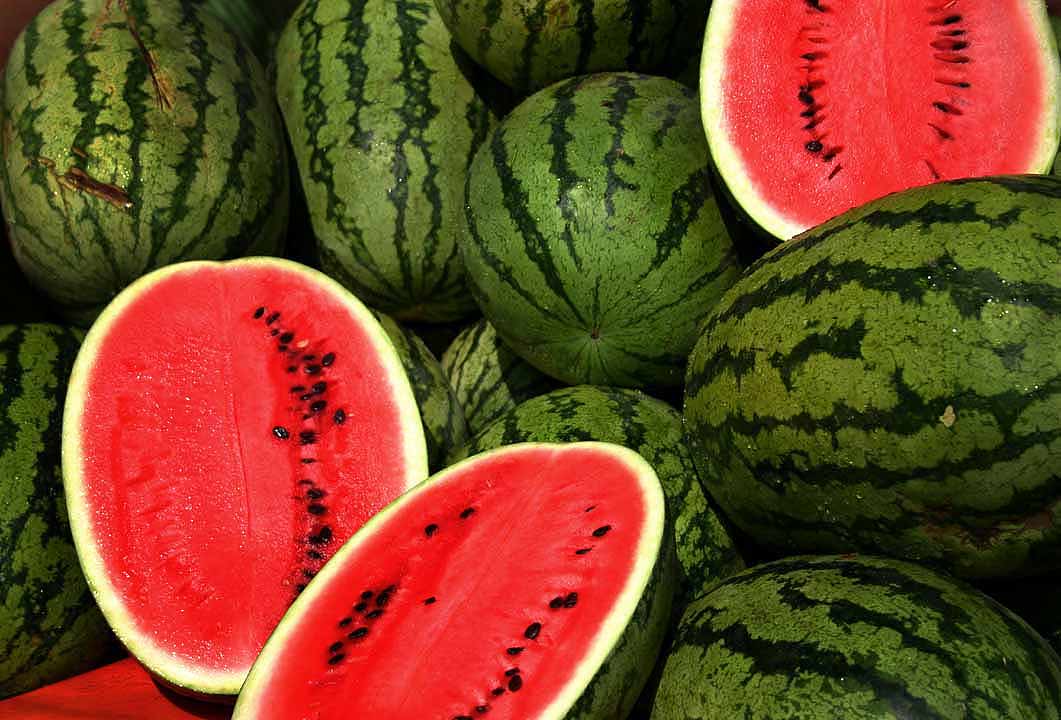
8) WATERMELON
While the rind is bitter, it contains a lot of citrulline, as nutrient that relaxes blood vessels by activating the same mechanism as the impotency drug Viagra. This compound also helps the brain get rid of the metabolic waste product ammonia, which can damage neurons. The red flesh of watermelon is bursting with the powerful antioxidant lycopene, much more so actually than the tomato. Studies show you can boost the levels of this important nutrient by up to 40 percent (and beta-carotene by 150 percent) by letting it sit outside the refrigerator at room temperature for several days.
9) AVOCADOS
Even if you’re not a guacamole fan, this green fruit can bring you happiness. Avocados contain serotonin, a type of feel-good neurotransmitter in the brain. They're bursting with depression-fighting folate, mood-lifting tryptophan and stress relieving vitamin B6.
10) QUINOA
Step away from the white rice and breads, which can cause blood-sugar crashes that leave you dragging. A better sub? Quinoa is a complex carb but also a complete protein that can give you a steady stream of energy. Quinoa is one of the rare plant-based foods that contains all nine of the essential amino acids that your body can't make itself.
11) BEETS
Beets are one of the best sources of the B vitamin folate that is crucial for good mood, memory retrieval, processing speed, and lightning reflexes. Beets are also packed with betaine, which our brain uses to form SAM-e, a natural antidepressant. Uridine, another important nutrient found in these root vegetables, stimulates the production of phosphotidylcholine, a building block of the brain's synaptic connections, helping to increase your mind's processing power. A combination of uridine and omega-3s is as effective as prescription antidepressants in animal studies, and trials of uridine combined with omega-3s are being studied in the treatment of bipolar disorder by Harvard University.
12) EGGS
Especially raw, eggs contain a beneficial blend of omega-3 fatty acids, zinc, B vitamins, and iodide, nutrients that work together to battle fatigue and reverse bad moods. They're a great source of zinc, which helps you to feel more alert and energised by regulating your metabolism and blood sugar levels.
13) WALNUTS
Walnuts are one of the richest dietary sources of serotonin. Providing new evidence that serotonin may be directly absorbed from food into the body, a recent Spanish study found that those who ate a daily 1-ounce combo of walnuts, hazelnuts, and almonds had more of this feel-good substance than a nut-free group.
14) BANANAS
Bananas can balance hunger and mood between meal energy slumps as they help to stabilise blood sugar levels.The fruit's high vitamin B6 content can help relieve anxiety and stress, and it's also a great source of tryptophan -the essential amino acid the brain converts into happiness hormone serotonin.
15) GARLIC
Alliums promote healthy arteries and ensure proper blood flow to the brain. These savory vegetables relax your blood vessels, decreasing your blood pressure, which prevents small strokes in the brain, a major cause of depression and dementia later in life. But more than that, it influences the uptake of tryptophan, the precursor to the important neurotransmitter serotonin. It also enhances the release of the neurotransmitter norepinephrine.
1) COFFEE
80% of the caffeine in the world is consumed as coffee. Prospective studies of men and caffeine use showed a strong inverse association between coffee drinking and depression, with no association for tea or cola. A piece of epidemiology from the Nurses' Health Study was published in the Archives of Internal Medicine in 2011: Coffee, Caffeine, and Risk of Depression Among Women. So the more the merrier, but forget those weaker brews. Three cohort studies in the past have shown an inverse relationship between coffee consumption and suicide.
2) SWEET POTATOES
They're a great alternative to standard spuds as they are rich in folate, plus they are better than white potatoes at keeping blood sugar levels steady. And since folate contributes to the production of serotonin, it may help ward off depression and improve mood. In addition, vitamin B6 helps create dopamine, a mood neurotransmitter that may help combat PMS.
3) CHILI PEPPERS
The brain is loaded with receptors for capsaicin. We also know that our brains respond to the heat of capsaicin by releasing endorphins, natural compounds that are related to morphine and have a calming effect.
4) LEGUMES
Peas and beans are good sources of magnesium, a mineral that plays a core role in your body's energy production. The National Institutes of Health (NIH) lists magnesium as being necessary for more than 300 biochemical reactions in the body.
5) SPINACH
If you're more a salad type than a carnivore, spinach is one of your best go-to sources for iron, which helps deliver energy-sustaining oxygen to your cells. It wards off fatigue and aids concentration. It's also a good source of vitamin B6 and folate, which support the brain's ability to produce mood-boosting neurotransmitters, such as serotonin.
6) BERRIES
These super fruits help stave off the brain aging that can lead to slower thought processing. Thank the anthocyanins (antioxidants that lend berries their hues); these substances may work with other compounds in the fruit to block enzymes that short-circuit normal communication between brain cells. Since each type of berry has its own mix of phytochemicals, go for a variety.
7) BRAZIL NUTS
They're one of the best sources of the mood-boosting mineral selenium, which can ward off low mood and anxiety.
8) WATERMELON
While the rind is bitter, it contains a lot of citrulline, as nutrient that relaxes blood vessels by activating the same mechanism as the impotency drug Viagra. This compound also helps the brain get rid of the metabolic waste product ammonia, which can damage neurons. The red flesh of watermelon is bursting with the powerful antioxidant lycopene, much more so actually than the tomato. Studies show you can boost the levels of this important nutrient by up to 40 percent (and beta-carotene by 150 percent) by letting it sit outside the refrigerator at room temperature for several days.
9) AVOCADOS
Even if you’re not a guacamole fan, this green fruit can bring you happiness. Avocados contain serotonin, a type of feel-good neurotransmitter in the brain. They're bursting with depression-fighting folate, mood-lifting tryptophan and stress relieving vitamin B6.
10) QUINOA
Step away from the white rice and breads, which can cause blood-sugar crashes that leave you dragging. A better sub? Quinoa is a complex carb but also a complete protein that can give you a steady stream of energy. Quinoa is one of the rare plant-based foods that contains all nine of the essential amino acids that your body can't make itself.
11) BEETS
Beets are one of the best sources of the B vitamin folate that is crucial for good mood, memory retrieval, processing speed, and lightning reflexes. Beets are also packed with betaine, which our brain uses to form SAM-e, a natural antidepressant. Uridine, another important nutrient found in these root vegetables, stimulates the production of phosphotidylcholine, a building block of the brain's synaptic connections, helping to increase your mind's processing power. A combination of uridine and omega-3s is as effective as prescription antidepressants in animal studies, and trials of uridine combined with omega-3s are being studied in the treatment of bipolar disorder by Harvard University.
12) EGGS
Especially raw, eggs contain a beneficial blend of omega-3 fatty acids, zinc, B vitamins, and iodide, nutrients that work together to battle fatigue and reverse bad moods. They're a great source of zinc, which helps you to feel more alert and energised by regulating your metabolism and blood sugar levels.
13) WALNUTS
Walnuts are one of the richest dietary sources of serotonin. Providing new evidence that serotonin may be directly absorbed from food into the body, a recent Spanish study found that those who ate a daily 1-ounce combo of walnuts, hazelnuts, and almonds had more of this feel-good substance than a nut-free group.
14) BANANAS
Bananas can balance hunger and mood between meal energy slumps as they help to stabilise blood sugar levels.The fruit's high vitamin B6 content can help relieve anxiety and stress, and it's also a great source of tryptophan -the essential amino acid the brain converts into happiness hormone serotonin.
15) GARLIC
Alliums promote healthy arteries and ensure proper blood flow to the brain. These savory vegetables relax your blood vessels, decreasing your blood pressure, which prevents small strokes in the brain, a major cause of depression and dementia later in life. But more than that, it influences the uptake of tryptophan, the precursor to the important neurotransmitter serotonin. It also enhances the release of the neurotransmitter norepinephrine.
This Is What Happens To Your Cells When You Experience Happiness