Showing posts with label Antibiotic Resistance. Show all posts

Sunday, December 6, 2015

Just weeks after the discovery in China of bacteria resistant to all known forms of treatment, the same strain has been found in Denmark. Except Denmark's has been around since 2012.

Bacteria containing mcr-1 gene resistant to all known antibiotics found in Denmark


Lethal tummy bug ... A strain of the common e. coli bacteria resistant to all known treatments has been found in Denmark.

Network WritersNews Corp Australia Network

JUST weeks after the discovery in China of bacteria resistant to all known forms of treatment, the same strain has been found in Denmark. Worse: It’s been there since 2012.

Late last week researchers at the Technical University of Denmark announced they had found the feared ‘invulnerability’ gene among E. coli bacteria samples taken from humans and food.
The scientists had been conducting a review of a genetic database of some 3000 different E. coli samples taken since 2009.

Specifically they were seeking the mcr-1 gene, a mutation which gives bacteria a frightening resistance to the last effective family of antibiotics — colistin.


..................................................................................................

NewsMax Health

New Superbug Resistant to Last-line Antibiotics: Study


Sunday, 06 Dec 2015 11:19 AM


......................................................................................
 

Agricultural Use Of Antibiotics Could Create Health Crisis, Experts Warn China’s use of thousands of tons of antibiotics in agriculture is a major cause for concern.


Asian Scientist Newsroom | November 24, 2015 | In the Lab
 
AsianScientist (Nov. 24, 2015) - Two medical experts from The University of Queensland are urging China to curb its use of antibiotics in animals to avoid what could be a ‘major health catastrophe’ for humans, following their research published in The Lancet Infectious Diseases.
 
Polymyxin antibiotic class is a “last-defence” antibiotic for patients, including in intensive care units, but its extensive use in agriculture in China was leading to resistance in humans, warned Professor David Paterson, Head of the Infection and Immunity group at UQ Center for Clinical Research.
 
“It will be very dangerous if people stop responding to this treatment. A key part of many intensive treatments relies on antibiotic success to fight life-threatening infection and keep further infections at bay. However, resistance to this antibiotic is now becoming widespread in chickens, pigs and other animals across Asia, and has now been detected in humans,” cautioned Paterson.
 
In the report, Paterson said the resistance was directly linked to agricultural use of the antibiotic in the food-chain. “When humans eat the food derived from these animals fed with antibiotics, this leads to antibiotic resistance. By the end of 2015, China is projected to use thousands of tonnes of polymyxins. Chinese leaders needed to take urgent and decisive action to curb this use.” Paterson said.


.....................................................................................
 
MNT home

New antibiotic resistance gene that breaches 'last line of defense' found in China

Published: Thursday 19 November 2015 at 3am PST

A new gene that makes bacteria resistant to polymyxins - the last-resort antibiotics for treating infections - is widespread in a large family of bacteria sampled from pigs and people in South China, says a new study published in The Lancet Infectious Diseases.
 
 
Bacteria
The researchers first found evidence of transferable resistance to the polymyxin drug colistin in bacteria isolated from a pig on an intensive farm in China.
 
The researchers say some of the bacterial strains that have acquired the new resistance gene - called MCR-1 - also have epidemic potential.

The discovery is particularly alarming because the researchers found the new gene on plasmids - a mobile form of DNA that is easily shared and spread among different bacteria via horizontal gene transfer.

It echoes an earlier discovery in India a few years ago of the resistance gene NDM-1 that makes bacteria resistant to nearly all antibiotics, including the last-resort antibiotics carbapenems.
In their study, the researchers, led by members from South China Agricultural University, Guangzhou, conclude:

"The emergence of MCR-1 heralds the breach of the last group of antibiotics, polymyxins, by plasmid-mediated resistance. Although currently confined to China, MCR-1 is likely to emulate other global resistance mechanisms such as NDM-1."

Co-author Jian-Hua Liu, a professor specializing in antimicrobial resistance in animals, says the results are "extremely worrying" because the polymyxins were "the last class of antibiotics in which resistance was incapable of spreading from cell to cell."

Polymyxin resistance transferring readily among common bacteria


Read More Here

Monday, May 19, 2014

Biological Hazard - Denmark, [The area was not defined.]


Earth Watch Report  -  Biological Hazards

File:Neutrophil and Methicillin-resistant Staphylococccus aureus (MRSA) Bacteria.jpg

Scanning electron micrograph of neutrophil ingesting methicillin-resistant Staphylococcus aureus bacteria. Credit: NIAID   National Institutes of Health.
NIAID/NIH
Wikimedia.org

.....
May 13 2014 03:04 AMBiological HazardDenmark[The area was not defined.]Damage levelDetails

......

RSOE EDIS

Description
A troubling and also kind of odd story came out of Denmark this weekend. In a court proceeding, a microbiologist has disclosed that three residents of the country who had no known connection to farming died of MRSA infections caused by ST398, the livestock-associated strain of drug-resistant staph that first appeared among pig farmers in the Netherlands in 2004 and has since moved through Europe, Canada and the United States. If the report is correct - and sources have told me it is, but I've seen no data to confirm it - it reinforces the concern that bacteria which become resistant because of antibiotic use on farms can move off farms and affect the health of people who have no connection to farming. Livestock MRSA has always one of the best cases for establishing that, because the drug to which it showed the greatest resistance, tetracycline, wasn't used against human MRSA in the Netherlands, but was used routinely on farms - so the only place the strain could have picked up its unique resistance pattern was in pigs. (Here's my long archive of posts on pig MRSA, dating back to my book Superbug where the story was told for the first time.) Just to get them high up, here are some Danish news sources; this sees to have been a widely covered story. Danish isn't one of my languages, so I've relied on Google Translate - not the best practice, but there's enough agreement among the stories that I am comfortable with it in this case.
Biohazard name:MRSA (pig, human)
Biohazard level:3/4 Hight
Biohazard desc.:Bacteria and viruses that can cause severe to fatal disease in humans, but for which vaccines or other treatments exist, such as anthrax, West Nile virus, Venezuelan equine encephalitis, SARS virus, variola virus (smallpox), tuberculosis, typhus, Rift Valley fever, Rocky Mountain spotted fever, yellow fever, and malaria. Among parasites Plasmodium falciparum, which causes Malaria, and Trypanosoma cruzi, which causes trypanosomiasis, also come under this level.
Symptoms:
Status:confirmed

.....
 WIRED

Denmark: Three Deaths from Drug-Resistant “Pig MRSA”

ICStefanescu (CC), Flickr
A troubling and also kind of odd story came out of Denmark this weekend. In a court proceeding, a microbiologist has disclosed that three residents of the country who had no known connection to farming died of MRSA infections caused by ST398, the livestock-associated strain of drug-resistant staph that first appeared among pig farmers in the Netherlands in 2004 and has since moved through Europe, Canada and the United States.
If the report is correct — and sources have told me it is, but I’ve seen no data to confirm it — it reinforces the concern that bacteria which become resistant because of antibiotic use on farms can move off farms and affect the health of people who have no connection to farming.
Livestock MRSA has always one of the best cases for establishing that, because the drug to which it showed the greatest resistance, tetracycline, wasn’t used against human MRSA in the Netherlands, but was used routinely on farms — so the only place the strain could have picked up its unique resistance pattern was in pigs. (Here’s my long archive of posts on pig MRSA, dating back to my book Superbug where the story was told for the first time.)

Just to get them high up, here are some Danish news sources; this sees to have been a widely covered story. Danish isn’t one of my languages, so I’ve relied on Google Translate — not the best practice, but there’s enough agreement among the stories that I am comfortable with it in this case.
  • The Information: “Filthy use of antibiotics”
  • Kvalls Posten: “Resistant swine bacterium has killed three Danes”
  • DR DK: “Politicians are worried about swine bacteria”
  • Avisen: “Three Danes die of swine bacteria”
  • Ekstra Bladet: “Three died from killer bacteria from pigs”
  • Fyens: “University hospital physician: Three died of swine bacteria”

Read More Here
.....


Enhanced by Zemanta

Saturday, May 10, 2014

Resistance to antibiotics poses a "major global threat" to public health, says a new report by the World Health Organization (WHO).

Antibiotic resistance now 'global threat', WHO warns


Lab research into new antibiotics WHO called for more preventative measures against infection
It analysed data from 114 countries and said resistance was happening now "in every region of the world".
It described a "post-antibiotic era", where people die from simple infections that have been treatable for decades.
There were likely to be "devastating" implications unless "significant" action was taken urgently, it added.
The report focused on seven different bacteria responsible for common serious diseases such as pneumonia, diarrhoea and blood infections.
It suggested two key antibiotics no longer work in more than half of people being treated in some countries.
What we urgently need is a solid global plan of action which provides for the rational use of antibiotics”
Dr Jennifer Cohn Medecins sans Frontiers
One of them - carbapenem - is a so-called "last-resort" drug used to treat people with life-threatening infections such as pneumonia, bloodstream infections, and infections in newborns, caused by the bacteria K.pneumoniae.
Bacteria naturally mutate to eventually become immune to antibiotics, but the misuse of these drugs - such as doctors over-prescribing them and patients failing to finish courses - means it is happening much faster than expected.
The WHO says more new antibiotics need to be developed, while governments and individuals should take steps to slow the process of growing resistance.
In its report, it said resistance to antibiotics for E.coli urinary tract infections had increased from "virtually zero" in the 1980s to being ineffective in more than half of cases today.
In some countries, it said, resistance to antibiotics used to treat the bacteria "would not work in more than half of people treated".

Read More Here

.....

Antibiotic resistance: 6 diseases that may come back to haunt us

Still think of TB, typhoid and gonorrhoea as infections from the past? WHO's terrifying report will make you think again
Neisseria gonorrhoeae, the bacteria that causes the sexually transmitted disease gonorrhoea
Neisseria gonorrhoeae, the bacteria that causes the sexually transmitted disease gonorrhoea. Photograph: Dr. David M. Phillips/Getty Images/Visuals Unlimited
Diseases we thought were long gone, nothing to worry about, or easy to treat could come back with a vengeance, according to the recent World Health Organisation report on global antibiotic resistance. Concern at this serious threat to public health has been growing; complacency could result in a crisis with the potential to affect everyone, not just those in poor countries or without access to advanced healthcare. Already diseases that were treatable in the past, such as tuberculosis, are often fatal now, and others are moving in the same direction. And the really terrifying thing is that the problem is already with us: this is not science fiction, but contemporary reality. So what are some of the infections that could come back to haunt us?

Tuberculosis

TB ought to be treatable within six months once people are prescribed a course of drugs including the once potent antibiotics isoniazid and rifampicin. But today, resistance has emerged not only to these medicines, but to the wider range of pharmaceuticals used to treat the disease. This has led to the emergence of multi-drug-resistant TB, the still less treatable extensively drug-resistant TB (XDR-TB), and even to total drug-resistant TB, which has only officially been confirmed in India. Countries such as South Africa have run out of treatment options for many of their patients and are having to discharge them from hospital. Resistance to TB has reached a global scale with XDR-TB now reported in 92 countries.

Gonorrhoea

The sexually transmitted nature of this infection makes it something many are reluctant to talk about or admit to having. However, it's long been thought of as easily treatable and nothing much to fear. Once fixable with penicillin and tetracycline, the bacteria behind the disease have developed such high levels of resistance that there is only one drug left that can treat it. Even this antibiotic, ceftriaxone, is becoming less effective. With last-resort drugs losing their impact, this sexually transmitted infection (STI) could spread throughout the population.

Klebsiella

It's likely that you've never heard of this common bacterium, which can cause a wide range of conditions including pneumonia, urinary tract infections, septicaemia, meningitis and diarrhoea. It fits into a wider group of bacteria with the apt acronym of Eskape owing to their ability to avoid the effects of the antibiotics used against them. The acronym stands for the names of the bacterial group members: Enterococcus faecium; Staphylococcus aureus; Klebsiella pneumoniae; Acinetobacter baumannii; Pseudomonas aeruginosa; and Enterobacter. Klebsiella and the rest of this group are increasingly being acquired in hospitals. While we fear MRSA, it is in fact a declining threat in hospitals; at the same time Eskape pathogens are causing more and more problems. As the WHO report highlighted, routine hospital visits or treatments could result in these previously treatable bacteria having fatal consequences.

Read More Here

.....
Enhanced by Zemanta

Wednesday, April 16, 2014

A new study finds that kitchen cutting boards can become contaminated with antibiotic-resistant bacteria from raw meat

Kitchen Cutting Boards Harbor Antibiotic-Resistant Bacteria

A new study published in the Journal Infection Control and Hospital Epidemiology found that kitchen cutting boards can become contaminated with antibiotic-resistant bacteria from raw meat. Researchers at the University Hospital in Basel, Switzerland looked at 154 cutting boards before they were washed from the hospital and 44 from private homes after they were used to prepare pork, beef, veal, lamb, game, or fish. In addition, kitchen gloves worn during meat preparation were tested.
Cutting BoardThe scientists discovered that 6.5% of the hospital cutting boards and 3.5% of the household cutting boards used to prepare poultry tested positive for “multidrug-resistant E. coli bacteria.” None of the boards used for meat other than poultry dated positive. Fifty percent of the gloves were contaminated with multidrug-resistant E. coli.

Read More Here
Enhanced by Zemanta

Wednesday, September 18, 2013

The CDC now openly admits that prescription antibiotics have led to a catastrophic rise in superbugs, causing the death of at least 23,000 Americans each year


The coming plague will not be stopped by drugs: CDC now admits era of antibiotics at an end as bacteria out-wit drug companies

 
Tuesday, September 17, 2013
by Mike Adams, the Health Ranger
Editor of NaturalNews.com
(NaturalNews) In a breakthrough moment of truth for the CDC, the agency now openly admits that prescription antibiotics have led to a catastrophic rise in superbugs, causing the death of at least 23,000 Americans each year (an estimate even the CDC calls "conservative").
This is the conclusion of the CDC's new Threat Report 2013, a document that for the first time quantifies the number of fatalities happening in America due to antibiotic-resistant superbugs.
What's truly astonishing about this report is that it admits, in effect, that modern medicine is a failure when it comes to infectious disease. The whole approach of fighting bugs with isolated chemicals was doomed to fail from the start, of course, since Mother Nature adapts to chemical threats far more quickly than drug companies can roll out new chemicals.
Sadly, the very approach of using an isolated chemical to combat disease is rooted in a 1950's mentality that has nearly reached its endpoint in the history of medicine. The CDC all but admits this now, saying the era of antibiotics is nearing its end. "If we are not careful, we will soon be in a post-antibiotic era" - Dr. Tom Frieden, director of the CDC.
The admission should send alarm bells ringing across the medical establishment. Because what it really means is the day isn't too far off when doctors and hospitals can no longer offer treatments for common infections.

The rise of alternative medicine... again!

Western doctors, of course, are wildly ignorant of far more effective ways to treat infections. Because of the profit interests in patented antibiotic chemicals, doctors have never been taught how to use herbal antibiotics to which there is virtually no resistance whatsoever.
Doctors have also never been informed of the powerful antibiotic properties of silver, copper, aloe vera gel, garlic (and sulfur compounds), Chinese medicine herbs and many other bacteria-fighting substances from the natural world.
As a result, the day is soon coming when doctors will send patients home to die, not knowing that real cures for their infections already exist and are readily available from the world of natural medicine. That's the real cost of the failure of western medicine: countless numbers of victims will suffer and die due to the incredible ignorance of doctors and their foolish reliance on a system of chemicals that has failed humankind.
Our epitaph [as a species] may well read: "They died of a peculiar strain of reductionism, complicated by a sudden attack of elitism, even though there were ready natural cures close at hand." - Gary Paul Nabhan, author, Cultures of Habitat
Here at Natural News, I estimate that due to the disastrous failure of antibiotics combined with the widespread suppression of human immune function (due to drugs, heavy metals, environmental chemicals and more), superbug deaths will quickly accelerate, reaching 100,000 deaths per year by 2020, nearly rivaling the number of Americans already killed each year by FDA-approved prescription medications.

The top three superbug threats

According to the CDC, the top three superbug threats right now are:
• Carbapenem-resistant Enterobacteriaceae or CRE (9,000 annual infections, 600 annual deaths)
• Antibiotic-resistant gonorrhea (246,000 infections per year, now only one drug left to treat it)
• Clostridium difficile (250,000 infections per year, 14,000 deaths)
In all, these three superbugs combined with others cause 23,000 total deaths per year in the United States alone, says the CDC.
The CDC, predictably, also says part of the solution is to get more people vaccinated. This makes no sense whatsoever as vaccines only make immune systems weaker while doing nothing to prevent infections of superbugs.
On the positive side, the CDC did say that antibiotic use should be curbed in agriculture (meaning fed to animals for meat production). In truth, more antibiotics are used each year in agriculture than in humans.

CDC still clings to futile hope of failed drug model

Despite having the ability to now see the problem at hand, the CDC still desperately clings to the futile hope that "yet another chemical" will be developed that solves the superbug problem.
This is an exercise in insanity, as you might have guessed, because whatever new chemical the drug companies come up with -- and they've mostly stopped even bothering with new research into antibiotics -- will quickly be rendered useless by microbiological adaptations.
The inconvenient truth about all this is that the CDC will never solve this problem with the same kind of thinking that caused the problem. The never-ending chase for more chemicals is futile. Patented drugs will never conquer drug-resistant bacteria, period. It doesn't matter how many federal subsidies are dumped into drug research.
So what will work, then? For starters, probiotics offer a solid defense against drug-resistant gut bacteria. So the first thing everyone should be doing to shield themselves from deadly infections is to consume probiotics on a regular basis.
Secondly, antibiotics themselves create an "intestinal wasteland" that's ripe for infection with deadly drug-resistant strains. So the very use of antibiotics in a patient is something that needs to be far more comprehensively taught to doctors and explained to patients so that the real risks of antibiotics are more widely understood (and avoided).
Ultimately, the use of antibiotics needs to be sharply limited. There are still cases in which limited, targeted use of antibiotics is a real lifesaver, but the widespread abuse of antibiotics is what has led our medical system to the brink of collapse when it comes to deadly superbugs.

Superbugs and superweeds

Thanks to the widespread use of glyphosate with GMOs in agriculture, farms are now suffering from runaway "superweeds" that pose many of the same problems as superbug infections in humans.
Both problems are caused by the widespread abuse of isolated chemicals, sold by profiteering corporations with complete disregard for the long-term consequences of their products.
Both problems are almost universally swept under the rug by the corporations that gave rise to the problems in the first place.
And both problems are promised to be solved with "yet more chemicals" that overcome the resistance to the previous round of chemicals.
There's a fatal problem with this: each round of chemicals needs to be substantially more toxic than the last round, causing a "spiral of chemical toxicity" that will only lead human civilization to its own destruction.
Even right now, we are very close to the rise of a highly infectious superbug that is resistant to all known antibiotics. Once unleashed, such a superbug could sweet through the population and cause the death of over a billion people across the planet. In such a scenario, the entire system of western medicine has zero tools to deal with it. There is no vaccine, no drug and no FDA-approved treatment that will even touch it.

Familiarize yourself with these systemic herbal antibiotics

Survivors of the inevitable superbug pandemic will be those who turn to Mother Nature and natural remedies. That why I recommend every person reading this pick up at least one book on herbal antibiotics and keep it on your shelf in case of an emergency outbreak.
The most comprehensive book on this subject that I've yet found is called Herbal Antibiotics, 2nd Edition: Natural Alternatives for Treating Drug-resistant Bacteria. I highly recommend this book. It is meticulously researched and comprehensive in its coverage of the subject. It is also quite technical, so be prepared for that if you're not used to reading technical papers or books.
In the coming superbug plague, the drug companies will be useless. Your doctor will be useless. Hospitals will be disease-infested death traps. The CDC will be paralyzed with bureaucracy and hopelessly stuck in the era of chemical medicine. Only people who possess the nearly-lost knowledge of natural plant-based antibiotics will have any real chance of surviving such an outbreak if they become infected.
If you have net yet heard the plant name Cryptolepis, you need to familiarize yourself with it. This is a systemic antibiotic with a multitude of uses and physiological actions. Others include Sida, Alchornea and Artemisia (wordwood). Learn these herbs and learn how they work in the human body. Your life may depend on it, and once the superbug plague spreads, these plants may be worth more, ounce for ounce, than gold.
In fact, I was thinking it would be a phenomenal product to offer to the world: a collection of antibiotic plant seeds along with instructions for their cultivation and use. If anyone reading this has such a product to offer, feel free to contact us. Perhaps we can distribute or retail your product to get it into the hands of a large number of people who can keep these plants thriving while the era of synthetic chemical medicine collapses into history.


Sources for this article include:
http://www.cdc.gov/drugresistance/threat-rep...

Enhanced by Zemanta

Tuesday, July 23, 2013

The United Kingdom now acknowledges that the excessive prescription and subsequent overuse of antibiotics can have deadly consequences if doctors and patients don't change their ways

File:Antibiotics in the environment.JPG

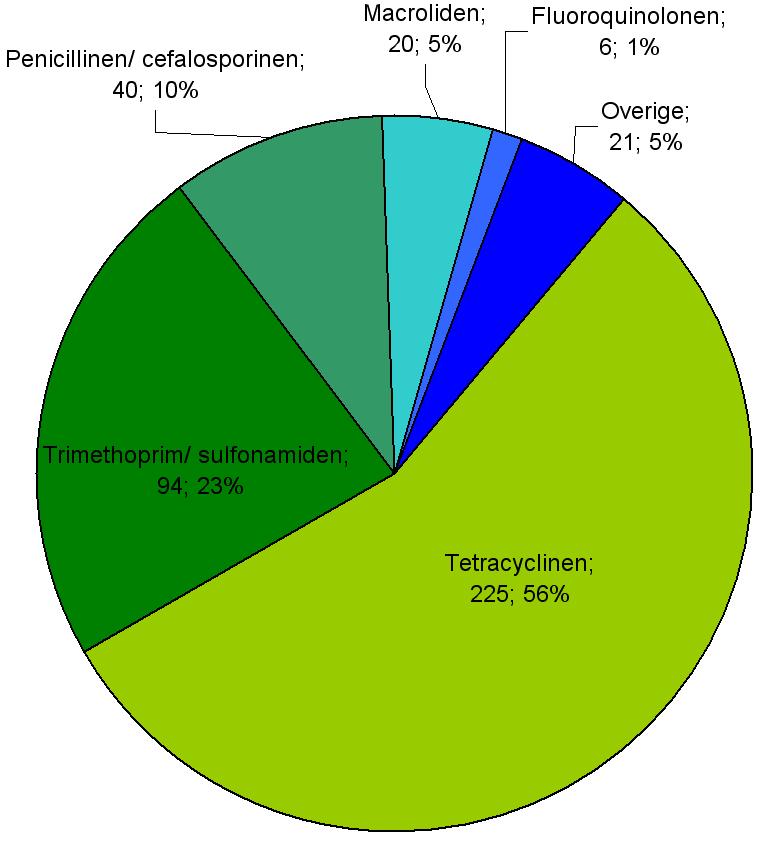
Tonnage and percentage of veterinary use of antibiotics in the Netherlands in 2002 per compound class. Antibiotic names are in Dutch.
Author Tnvaessen
via Wikimedia Commons
File:Antibiotics Mechanisms of action.png
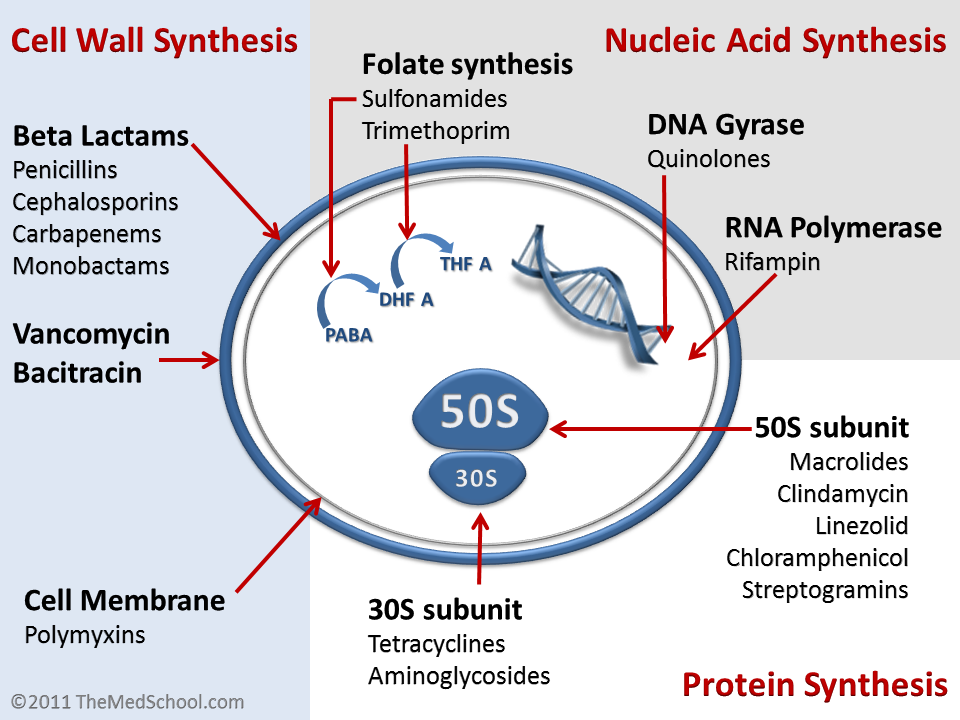
This depicts the site of action of some of the major categories of antibiotics.
Author Kendrick Johnson
via Wikimedia Commons
**********************************************************************

Antibiotic resistance growing out of control, routine medical procedures now deadly

Monday, July 22, 2013 by: Summer Tierney

(NaturalNews) As the so-called "season" of colds and flus makes this year's debut, yet another reason emerges to avoid antibiotics - or at least be more cautious and discriminating about when and how to use them. The United Kingdom now acknowledges that the excessive prescription and subsequent overuse of antibiotics can have deadly consequences if doctors and patients don't change their ways, and fast. As a direct result of such abuse, antibiotics are becoming increasingly less effective against potentially fatal bacteria. If this pattern persists, said Health Chief Dame Sally Davies, more people could die from routine medical procedures like heart surgery.
"Antibiotics are losing their effectiveness at a rate that is alarming and irreversible - similar to global warming," Davies said. In the absence of a major reduction in the use of antibiotics, she warns that certain untreatable conditions may spread, while other difficult-to-treat infections like multi-resistant E-coli will take more lives. She suggests that doctors and patients must work together to combat this growing antibiotic resistance.
Patients must stop expecting or requesting antibiotics prescriptions from their doctors for mild infections and minor illnesses like coughs, sore throats and earaches, said Dr. Cliodna McNulty, a microbiologist at the Health Protection Agency. And doctors, too, should take extra care to help educate their patients about the consequences of using antibiotics.

Antibiotics 101 - What doctors aren't telling you

The fact is that antibiotics do nothing at all for viral infections. They are completely ineffective against most of the conditions for which they are prescribed, like coughs, fevers and the like, which have simply to run their course and eventually heal on their own. In fact, fevers are the body's own natural attempt to burn up toxic invaders. Still, doctors sometimes prescribe antibiotics anyway, either to prevent a secondary bacterial infection, or at the blind and sometimes angry insistence of patients and parents who don't know any better.

Read More Here


Enhanced by Zemanta