Chronic
inflammation has been associated with an increased risk of arthritis,
diabetes, heart disease, high blood pressure, osteoporosis, and cancer.
Sure, some inflammation is good—like the acute kind is a form of
self-protection, your body's immune response to a cut or pathogens
entering the body. Chronic inflammation, however, means that your body
is constantly producing immune cells, which can damage the body. This
harmful inflammation is a result of never-ending stress, being
overweight, or a diet high in things like sugar, trans fats, and various
toxins.
But while the wrong diet promotes excessive inflammation,
a diet rich in clean foods can help reduce it and its harmful effects
on your body. The following foods in particular are anti-inflammatory
powerhouses:
Spices and Herbs Herbs and spices
like basil, rosemary, thyme, oregano, turmeric, peppercorns, ginger,
and cinnamon are loaded with all sorts of antioxidants that have even
been found to reduce pro-inflammatory compounds that build up on meat
during grilling. And ginger and turmeric, in particular, have been
linked to joint pain relief. Add them to marinades, dressings, spice
rubs, and teas for a dose of health and flavor. Soy
Soy can reduce the inflammation marker C-reactive protein, which is
linked to cardiovascular disease. Incorporate clean sources of soy into
your diet, such as tempeh or edamame. Try It: Eating clean has never been tastier or easier!
The Forgotten Health Trick You Need to Do for 150 Minutes a Week
Get barefoot for a truly prehistoric health boost.
By Stephen Sinatra, MDOctober 6, 2015
I have long been convinced that the body is healthier when we have more
physical contact with the natural energetic field of the earth. I have
been intensely involved in grounding research for years and have written
extensively about it. In Health Revelations From Heaven and Earth,
it's a topic coauthor Tommy Rosa and I cover a lot. Grounding (also
referred to as Earthing) means connecting your body directly to this
field and experiencing the benefits of connection with the electric
fields of Earth.
This is easy to do. My recommendation is to ground at least 150 minutes a week.
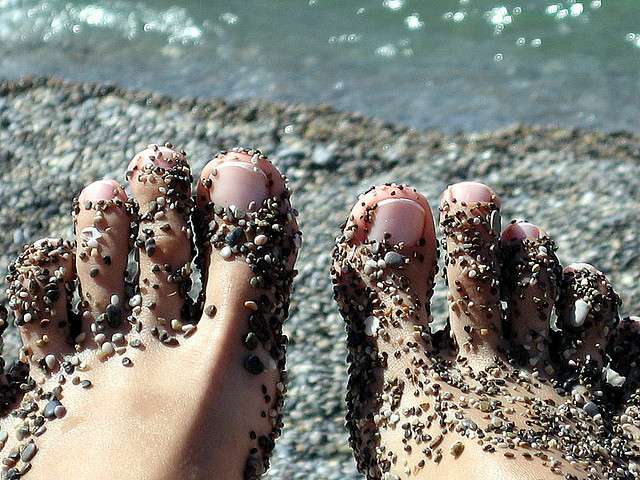
You can do that by going barefoot while gardening, camping, hiking, or
walking on the beach or by swimming in the ocean—there are so many ways
to connect to the natural world.
When
outdoors, wearing thin-soled, plain leather shoes will let you make
contact with the earth's natural vibration. Rubber soles like those of
tennis sneakers or the neoprene found in running shoes keep you
disconnected from the earth. Other ways to ground: You can even
sleep, work, or relax indoors on special conductive sheets or mats
connected to the earth with wires plugged into a grounded wall outlet or
a ground rod outside.
A Prehistoric Prescription
Although studied scientifically in the last decade, grounding dates
back to prehistoric ages. Since the dawn of time, humans have walked
barefoot and have slept on the ground, oblivious to the subtle
energetic signals underfoot that research now shows help regulate
the body's intricate mechanisms. Healers in many cultures
throughout history knew of the natural healing endowment of the earth,
though not in electrical terms.
The
science has never been clearer: flaxseed deserves to be top of the list
of the world's most powerful medicinal foods. For just pennies a day it
may protect against dozens of life-threatening health conditions.
Many
of us have been enculturated to think about the nutritional dimension
of our food intake in terms of the government's recommended daily
allowances (RDAs), focusing on getting the "right" amounts of
carbohydrate, proteins, fats, vitamins, and minerals. However, I believe
this focus on the quantifiable dimensions of food versus the qualitative elements
has profoundly lead us astray. We bear witness to this in the fact that
Americans are some of the most overfed yet simultaneously malnourished
people on the planet. It is no wonder that we we are dying by the
droves, with heart disease and cancer representing the most common (and also most preventable) causes of premature death.
What
if there was a nutrient-packed super-food which costs pennies a day
that can greatly reduce the risk of dying not only these, but dozens of
other life-threatening conditions? Would you take it? The good news is
there already is: welcome to the amazing nutritional/medicinal potential
of flaxseed!
70 Reasons To Consume Flaxseed Daily
Admittedly,
the title of this article is a bit over the top. Wouldn't five good
reasons, or even just one good reason be enough to consume it more
regularly? After all, think of the millions of people around the world
who take aspirin daily only because it promises to reduce the risk for
one condition: namely, prevention of heart attack. A practice,
incidentally, that is dubious at best, and for which natural and likely far safer and effective alternatives may exist.
If we can establish the preventive value of flaxseed in only one
serious condition, perhaps this alone would be compelling enough to
convince our readers to start incorporating it into their daily dietary
regimen. However, for those nutrition geeks out there who like to read
the first-hand research, here's our flaxseed database page,
wherein you will find all the abstracts we have gathered on the topic
of this seed's immense potential in preventing and/or treating up to 70
different health conditions.
What is the lymphatic system? It’s a critical part of the immune system, vital for protecting us from illness and damaging, disease-causing inflammation.
Essentially, the lymphatic system is the the body’s inner “drainage
system,” a network of blood vessels and lymph nodes that carry fluids
from tissues around the body into the blood and vice versa.
The
lymphatic system has the primary role of protecting the body against
outside threats — such as infections, bacteria and cancer cells — while
helping keep fluid levels in balance
The best way to protect the
complex series of criss-crossing lymphatic vessels and “nodes” that span
almost the entire body (every one except for the central nervous
system) is to eat a healing diet, exercise and take steps to detoxify the body naturally.
Lymphatic vessels
carry fluid that is managed through “valves,” which stop fluid from
traveling the wrong way, similar to how blood flow works within the
arteries and veins. In fact, the lymphatic system is very similar to the
circulatory system made up of branches of veins, arteries and
capillaries — both bring essential fluids around the whole body and are
vital for keeping us alive.
It’s
hard to believe, but adrenal fatigue is estimated to affect around 80
percent of people in the world! According to James Wilson (author of “Adrenal Fatigue: The 21st Century Stress Syndrome“), chronic stress and lifestyle affect the body’s ability to recuperate from physical, mental or emotional stress.
In
fact, whether for a short time or a chronic condition, most people
struggle with adrenal fatigue at some point in their lives. Symptoms
include:
These
symptoms can be indicative of a few different disorders and are often
overlooked by doctors, but more and more people are starting to realize
that a combination of these could indicate the onset of adrenal fatigue,
also known as adrenal insufficiency.
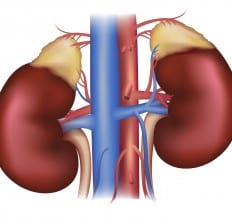
And if you have adrenal fatigue, it can also be a major cause of excess fat storage and low energy levels. So, let’s talk about exactly what your adrenal glands do and how you can heal adrenal fatigue in three simple steps.
Unbeknownst
to most, a Copernican revolution has already taken place in cancer
theory. Today, the weight of evidence indicates that plants and not
chemicals are the solution for reversing the global cancer epidemic.
Our
understanding of what causes cancer has undergone something akin to a
Copernican revolution in the past decade. Biological fatalism has been
the predominant force in medicine over the past half century, where most
conditions including cancer were believed predestined 'in the genes,'
and therefore impossible to reverse. Instead of looking for root cause
resolution of disease (RCRD), we resigned ourselves to 'finding it early' and in the case of cancer, when doing so (even when it was benign),
we waged war against it, quite literally using weapons grade materials
(mustard gas- and nuclear materials-derived agents). Now, however, in
this post-Genomic era,
factors above (epi-) the control of the genes – epigenetic factors –
are taking center stage; these include environmental exposures, stress,
nutritional factors, and various lifestyle-based variables that are
within the ambit of our control and volition, and which are often reversible.
In other words, cancer is now being understood as epigenetic dysfunction,
a direct and even adaptive response to the post-industrial,
carcinogen-saturated environment, in addition to a diet of faux, mostly
chemically-produced 'food,' combining to produce an environment – 'inner
terrain-- within the body ideal for cancer promotion.
Indeed, in a new study published in the journal Food and Chemical Toxicology
titled, "The use of plant-derived bioactive compounds to target cancer
stem cells and modulate tumor microenvironment," the authors note the
powerful implications of this new epigenetic view of cancer:
"A
fundamental aspect to be taken into account is that epigenetic changes
can possibly be reversed by modifying epigenetic factors, such as diet
and lifestyle. Nowadays, identification of these factors is crucial to
develop epigenetically-based preventions and more effective anti-cancer
intervention strategies."
Moreover, they note that
natural interventions are once again (after countless millennia of
worldwide use), at the cutting edge of medical intervention:
"Virtually,
all dietary compounds have the ability to act at the epigenetic level
in cancer cells thus influencing the epigenome in a positive or negative
way. Particularly, plant derived compounds, such as polyphenols, have
the capacity to reverse adverse epigenetic mutations in cancer cells, to
inhibit tumorigenesis progression, to prevent the metastatic process or
to sensitize cancer cells to chemo and radiotherapy (Vanden Berghe,
2012)."
The new study highlighted the following points, the implications for the future of cancer treatment are truly revolutionary:
Cancer stem cells (CSCs) are chemo-radiotherapy resistant, causing tumor relapse.
CSCs are known to reside within specific hypoxic and acidic tumor niches.
Phytocompounds affect CSC self-renewal, metabolism and microenvironment.
Phytocompounds might be exploited for cancer prevention and treatment.
Diseases display a variety of symptoms, but curiously enough, there is a common denominator!
The Truth About "All Disease"
A recent series presented via GreenMedInfo, "The Truth About Cancer"
could have been more accurately titled, "The Truth about All Disease."
The elements of cancer protocols: nutrient/mineral correction, detoxification,
helpful supplements, various energy therapies and lifestyle choices,
really apply to healing all chronic disease. The idea of personal
empowerment applies to all disease as well. Survivors emerged from the
shock of a cancer diagnosis, stepped away from conventional treatments
and "willed" their healing, which proves once again the critical
importance of mental states and the reality of placebo-nocebo effects.
Yes, it can be done!
We get misdirected by complex medical studies
and lose sight of the common denominator in chronic disease; all are
symptoms of oxidative stress and inflammation. Every symptom that ever
occurs starts with a shortage of cellular bio-energy: electrons. Colds,
bronchitis, indigestion, high blood pressure, bleeding gums or depression
are first signs of inflammation and a progression toward heart disease,
arthritis and cancers that arrive decades later. The fooler is that
symptoms may appear in different locations in the body, yet reflect a
predictable correlation with a range of specific insults. So cut to the
cure, identify the root causes that come from toxins, wrong nutrition,
poor lifestyle choices and negative personality traits/emotional
stress/fear of death. Take appropriate steps at this seed level.
The
public is not only convinced pharma-medicine is "real" medicine, but is
deprived of accurate information and even the very idea of alternative
treatments...and doctors have little time to coach patients on
self-care. The best interests of the patient would be better served by a
Nurse Advocate (schooled in CAM) offering personal instructions rather
than a quick prescription. Leave the allopathic paradigm of a drug for
every symptom...behind. Natural health proponents borrow the same
pigeonhole framework by substituting an herb or supplement for a drug,
repeating the idea that there is a specific silver bullet for each
malady. Not so! Basic oxidation-reduction (redox) chemistry, though it
seems foreign to medical thinking, is the most certain scientific and
holistic point of view that goes to the root of health and healing.
The FDA continues its war on the compounding of custom medications by eliminating even more dietary ingredients. Action Alert!
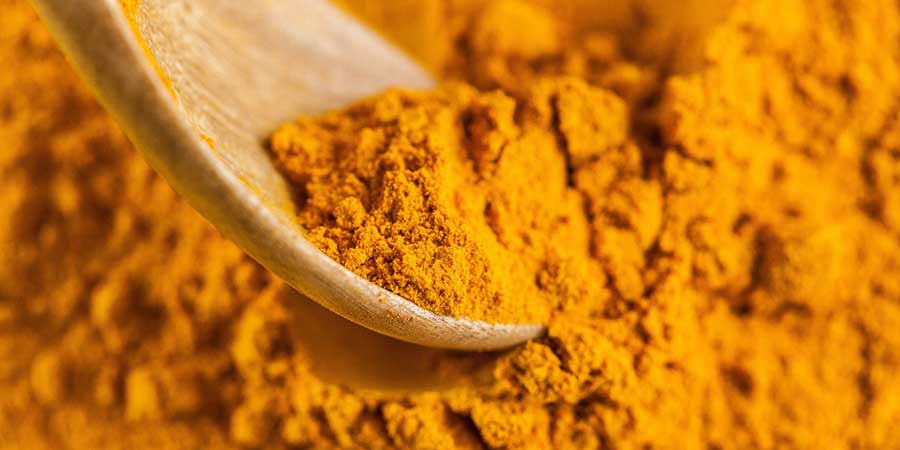
Curcumin is the most important ingredient of the Indian herb turmeric. You probably have it in your kitchen as a yellow spice.
From
a health standpoint, this herb is a miracle. It is tremendously
anti-inflammatory and has so many health benefits it would take a book
to list them all.
Naturally the drug industry wishes it could be
patented as a drug. That won’t happen, because natural foods generally
cannot be patented. FDA to the rescue! The agency has just ruled that
curcumin cannot be used in a compounded medication—that is in a
medication prepared just for you by a specialized pharmacy.
That
at least knocks out one source of competition for standard
anti-inflammatory drugs. And the agency doesn’t seem to care that those
same standard anti-inflammatory drugs have been shown to be dangerous.
Unfortunately, it isn’t just curcumin that has been banned.
A few months ago, we noted that the FDA’s Pharmacy Compounding Advisory Committee (PCAC) was a stacked deck, and recent developments unfortunately prove this observation correct.
At
its most recent meeting, PCAC voted on whether to include nine
substances on the list of bulk drugs that may be compounded under FDA regulations
following the passage of the Drug Quality and Security Act. Of these
nine substances, only one was approved. We listened in on the meeting
and noted that, for a majority of the substances, the committee just
adopted the FDA’s recommendation.
Among those that were rejected,
curcumin stands out—but so does MSM, another almost magical
anti-inflammatory with few if any side effects. There are others as
well. Here is a short rundown of the major supplements and drugs that
the Committee voted to ban:
Curcumin
Despite robust clinical evidence
that curcumin is safe, with superb and well demonstrated
anti-inflammatory characteristics, PCAC voted to not allow curcumin onto
the FDA’s bulk drug list.
One of the reasons stated for voting
not to include curcumin was that it could still be acquired as a dietary
supplement. This entirely misses the point of compounded medications
and individualized medicine!
Compounded medicine is for segments
of the population that have special needs and require nutrients to be
delivered in specific ways—for instance, smaller pills, or gluten-free
pills, or time-release capsules, or creams that are not offered
commercially. Compounding pharmacies are the only way these patients can
get access to the nutrients and medications they require. Stating that a
substance can still be obtained in supplement form betrays what we
suspected all along—that many members of PCAC do not understand what
compounding is or why it is important.
Nor is this all. When the
FDA grants a monopoly to a drug company to make a drug, it comes in a
one-size-fits-all form—which is sometimes completely wrong for the
substance. For example, some hormones should never be delivered in pill
form: they are destroyed in the intestinal tract or taken out by the
liver before they can do you any good. These particular hormones should
only be delivered by cream, which compounding pharmacies can create. But
drug companies couldn’t care less about the needs of individual
patients, because they want to sell pills.
Methylsulfonylmethane (MSM)
MSM is a natural sulfur compound
found in fruits and vegetables. Studies have shown that MSM reduces
pain related to arthritis with no significant side effects. It also can
stop even the most severe allergies in their tracks. If you suffer from
seasonal allergies, this substance could be exactly what your body needs
to stop it.
Could PCAC and the FDA be trying to clear the market
for Big Pharma’s arthritis drugs? Why else would they vote to eliminate
this natural substance from compounding?
Deoxy-d-glucose
This substance has exhibited
anticancer and antiviral properties, but there is no mystery as to why
it was voted down. It is currently being studied by a drug company as a
possible drug, so the FDA is no doubt protecting the pharmaceutical
company looking into the substance.
Glycirrhizin
Integrative doctors we spoke with use this as an antiviral agent, especially for hepatitis. It does have to be used carefully under medical supervision, but in this case has been banned from prescribed medical use.
Domperidone
This drug has been useful for treating gastroesophageal reflux disease with minimal serious side effects.
This is only the latest assault on compounding. Last month we reported
that a number of bioidentical hormones had been nominated to the
“Demonstrably Difficult to Compound” list, an attempt to further limit
the substances that may be compounded under current law.
By using
bogus reasoning to whittle down what ingredients can be used in
compounding, the FDA is once again doing the bidding of the very
companies the agency is supposed to be regulating—and thereby preventing
consumers from getting the medications they need.
Action Alert! Write to the FDA and urge them to reconsider their rejection of these ingredients to the bulk drug list. Please send your message immediately.
Modern medicine is in crisis. The reason: it’s just not working.
Chronic diseases such
as diabetes, heart disease, cancer, arthritis, obesity, and allergies
are increasing with no letup in sight and account for seven of the top
ten causes of death as of 2010. Heart disease and cancer accounted for
forty eight percent of all deaths. Modern medicine may be great at
dealing with infectious disease and traumatic injuries, but has failed
to stem the tide of chronic disease.
In addition, surveys
indicate that two-thirds of patients feel disrespected by their
physicians, forty-four percent feel doctors don’t spend enough time with
them and a quarter believe physicians don’t answer questions and don’t
adequately involve them in treatment decisions, and use medical terms
with no explanation.
Numerous health systems have gained
prominence in the West as alternatives to what is known as mainstream or
biomedicine. Naturopathy, Homeopathy, Ayurveda, Chiropractic, Chinese
medicine, Acupuncture, Massage Therapy and Reiki have arisen as popular
alternative healing methods. The most recent National Health Interview Survey
estimates that up to forty percent of Americans have tried one or more
of these alternatives and are spending $34 billion annually on them.
5-Year Old Beat Leukemia With Cannabis Oil When Chemotherapy Failed
Two years ago, Landon Riddle had acute lymphocytic leukemia (ALL), a cancer of the blood and bone marrow which is the most common cancer in children. His mother says his condition improved so much following treatment with medical marijuana that chemotherapy was not needed. But the Children's Hospital of Colorado, disagreed insisting chemotherapy poisons were the best choice and threatened his mother with legal action and removal of her child from her care.
.....
.....
It all started back in September 2012. Landon, then 2, was living
with his mother, Sierra Riddle, in St. George, Utah, when he developed a
sore throat and swollen lymph nodes. The emergency room doctor said it
was a virus and sent him home.
Two days later he went back. His armpits were swollen.
"They thought it was either a virus or infection in the lymph nodes, so they gave him some antibiotics," Sierra Riddle says.
But
on the fifth day, his mother says she was changing his diaper and
noticed his groin was also swollen, as well as his abdomen and throat.
He was having trouble breathing.
That time, she got a frightening diagnosis: cancer.
Landon was flown to a children's hospital in Salt Lake City.
"His
whole chest was full of leukemia tumors, which is why he couldn't
breathe," his mother says. "They started him on chemo, but told us that
he probably wasn't going to make it."
Landon's cancer had quickly progressed, leading doctors to give him an 8% chance of survival, she says.
In general, ALL is one of the most curable cancers. According to the American Cancer Society, more than 90% of children diagnosed with the disease survive.
Chemotherapy
is the standard treatment, and Riddle says doctors put Landon on a
four-year treatment plan. The first two months of chemo went fairly
well, but then Landon became extremely ill.
"Most days he couldn't get off the couch," Riddle remembers. "He would just lay there and throw up and throw up."
Riddle
says he also developed neuropathy -- a symptom of nerve damage that can
cause weakness, numbness and pain -- in his legs that left him barely
able to walk.
Around that time, a friend set up a Facebook page called Offer Hope for Landon, and recommendations started streaming in, including several endorsing cannabis -- medical marijuana -- as a treatment.
Medical
marijuana, however, isn't legal in Utah. Still, desperate for answers,
Sierra Riddle and her mother, Wendy Riddle, started looking into it.
They
considered going to California or Oregon. Then their research led them
to the Stanley brothers in Colorado. The six brothers are one of that
state's biggest cannabis growers and dispensary owners.
The
Stanleys produce about 500 pounds of medical marijuana a year. At the
time, much of it was high in THC -- tetrahydrocannabinol, the
psychoactive ingredient in pot that gets users high but also helps
patients with an array of conditions including pain and nausea.
But
the Stanleys were also growing something quite revolutionary: a plant
cross-bred to reduce the THC and increase another compound found in
cannabis called cannabidiol, or CBD. Many researchers believe CBD is one
of the compounds in marijuana that has medicinal benefits. According to
the National Cancer Institute, it's thought to have significant analgesic, anti-inflammatory and anti-tumor activity without the psychoactive effect.
The Stanleys expect to produce over 1,000 pounds this year, most of it the cross-bred variety, according to Joel Stanley.
Riddle, herself a recovering heroin addict, struggled with the idea of giving Landon marijuana.
"I was telling my mom, you know, 'We really need to think about this.'"
But,
says Riddle, her son was already prescribed medications like OxyContin
and morphine -- medications with significant side effects.
Landon
suffered from stomach failure, and "the OxyContin made him so
miserable, when he had hair, he would literally try to pull his hair
out."
In the end, she decided she
had nothing else to lose and moved to Colorado. She rented a room, got
Landon's medical marijuana card and began giving him marijuana -- THC
for the pain and nausea, but also CBD. The dose was based on Landon's
weight. He first took it in oil form, but now takes a pill.
Once the doses started, "Landon's (red and white blood cell) counts increased dramatically," she says.
Six months later, encouraged by Landon's progress, she stopped his chemotherapy treatments completely.
"Once
I took the chemo out, I see these amazing results. And no more need for
blood transfusion and platelet transfusions," Riddle says. "I think
that the chemo in combination with the cannabis did put him into
remission and now the cannabis will keep him there."
But Landon's doctor at the Children's Hospital of Colorado was shocked.
"She
told me with no uncertainty that if I refused chemo, she would have no
choice but to report me to the proper authorities," Riddle says.
So Riddle found a lawyer willing to take her case.
"Nobody
wants to hurt Landon here," says attorney Warren Edson. "This is about
making him better. We have no problem making sure he's monitored
throughout this process. And again, if there's any indication this is
doing him harm, I can't imagine Sierra doing anything other than the
right thing."
Children's Hospital
Colorado, in a statement, says it is "committed to protecting the
well-being of our patients." The hospital says it cannot discuss
specific cases, but provided information from Dr. Stephen Hunger,
director of the hospital's Center for Cancer and Blood Disorders.
Children's Hospital Colorado is "one of the largest centers in the country that treats children with ALL," the statement says.
"The
Center for Cancer and Blood Disorders at Children's Hospital Colorado
has always done its best to work closely with families to provide the
most appropriate treatment for cancer, while also seeking to minimize
side effects and maximize quality of life.
"Today,
chemotherapy is a required part of therapy for children with leukemia.
Many supportive care medications are used in children and adults with
cancer, including those considered to be complementary and alternative
medicine (also referred to as integrative health).
"Marijuana
or a product derived from marijuana is often used to decrease side
effects in adults with cancer," the hospital says. "There are several
FDA-approved and commercially available anti-nausea medicines derived
from marijuana (cannabinoids) that are frequently used by adults and
children with cancer, and we often prescribe these medications."
In
an effort to stave off a legal wrangle, Riddle, her mother and Edson
met with the doctors in charge of Landon's care in October.
"They
said they were willing to work with us. They said they were willing to
alter the chemo plan, and they did not," Riddle says.
Child
protective services -- which Riddle says had already been notified and
visited the family's home -- was also at the meeting, along with Dr.
Margaret Gedde, who wrote Landon's original prescription for marijuana
and is monitoring his care.
"I could
see a large gulf between the doctors who were making the point this is a
fatal disease -- 'You know, he needs this treatment to survive,' and
pretty much that was their stance," says Gedde.
"The
family wanted to discuss more alternative modes of treatment and really
things that wouldn't make him so sick, but again, the doctors being
convinced that really it had to be done the way that they were used to
it (being done) -- that just made it very much really a confrontation
there of two different mindsets. I felt sympathetic to both."
Child protection officials declined comment on the case.
"There
are many challenges with marijuana research as it relates to cancer,"
the organization says in a statement. "While it shows promise for
controlling cancer pain among some patients, there is still concern that
marijuana may cause toxic side effects in some people and that the
benefits of THC must be carefully weighed against its potential risks.
There is no available scientific evidence from controlled studies in
humans that cannabinoids can cure or treat cancer."
For
now, Landon is still in remission with no sign of recurrence. Still,
Gedde is cautious and says she can't recommend cannabis over chemo.
"When
you look at children who go through that same course of treatment and
compare Landon to them, it seems like he's doing better than what would
be expected," she says.
"I'm very
hopeful and very encouraged that the CBD is probably having a beneficial
effect for him, but I think we're still looking to have the disease
course play out and find out. I think in cancer, you don't really know
until later."
Wendy Riddle says they have no regrets and will continue to fight.
"It's
not just fighting for Landon. It's not just about him, it's about all
of the kids to come," she says. "When Landon is 15 years old and we talk
about this, I want Landon to know that we did everything in our power
to be compassionate in his care and to protect him."
Little
attention has been given to the long-term side-effects of chemotherapy
drugs. This is of paramount importance as long-term effects could
considerably compromise patients’ quality of life. Also, a better
understanding of the whole spectrum of chemotherapy adverse events--both
short and long term--should an issue of investigation for oncologists
to refine the use of such therapy, in terms of both scheduling and
individual patients’ risks and preferences.
Dr.
Robert Atkins, MD, of Atkins Diet fame once announced there are several
cures for cancer, but there’s no money in them. They’re natural,
effective, and inexpensive, no expensive drugs are involved but they
require quite a lot of self-discipline from patients. It costs millions
to fund research and clinical trials needed to produce a new cancer drug
that can be patented and sold. Often these drugs create more illness.
It has been said that the key to success in the health business is to
pull off the trick of making people patients for life. Consider how many
people who registered a couple of abnormal blood pressure readings have
been kept on medication until the medication killed them, when a quick
fix course of drugs supported by major changes of diet and lifestyle
would have returned their physical condition to an unmedicated healthy
state.
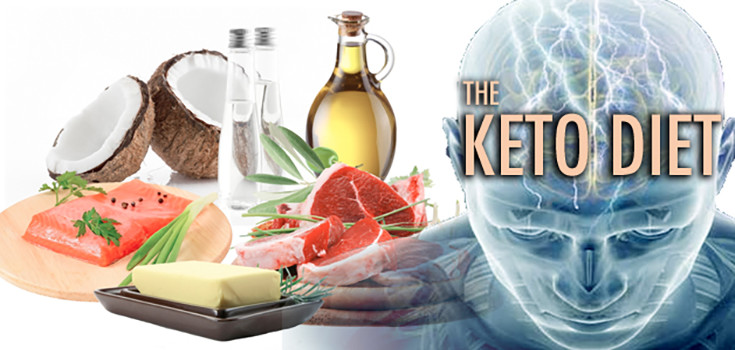
Proof the Ketogenic Diet for Cancer can be a Real Solution
While offering natural weight loss benefits
by Alexandra Preston Posted on October 22, 2015
Although
it is often associated with the high-protein Atkins diet, ketogenic
diets are useful for more than just weight control. These are classified
by their very low carbohydrate content, low enough to push the body’s
metabolism into using ketones, which are breakdown products of fats, for
energy. One other purpose of the ketogenic diet is as a cancer treatment, often alongside other conventional and/or natural therapies.
The
story of Elaine Cantin is an example of this, who began to research and
modify the ketogenic diet to suit her own needs after seeing too many
loved ones die after chemo and radiation. Eventually, her cancer was
gone, but this diet is still hidden from most of the general public in
obscurity.
So what other evidence is there to support the ketogenic diet as a cancer treatment? Multiple studies on mice have shown that this diet can dramatically slow and possibly reverse tumor growth, with in vitro research finding that, besides sugar deprivation, ketone bodies have direct antitumor effects.
Homeopathy
is here to stay. Despite relentless criticism from skeptics and
fundamentalists, homeopathy has withstood the test of time.
"...and this little piggy cried, woo woo woo, all the way home."
Since its inception over 200 years ago, homeopathy
has been the target of almost constant antipathy from the prevailing
school of orthodox medicine. Given so much organized resistance from the
mainstream, one would think that if homeopathy were much ado about
nothing it would not have endured. It would have withered on the vine a
long time ago. And yet it has persisted. No, it thrives—all across the
globe—for a number of very good reasons.
When a German physician named Samuel Hahnemann
discovered that a miniscule dose of a medicinal substance designed to
mimic the symptom pattern of a sick person could paradoxically provoke a
healing response in that same person, a medical revolution was set in
motion. Dr. Hahnemann referred to this surprising phenomenon as the law of similars. As opposed to the conventional medical approach, which uses opposites to combat symptoms (antidepressants,
anti-inflammatories, antihistamines, anticonvulsants, etc.), homeopathy
represents a different approach to healing, one that uses "likes to
cure likes."
The standard treatment for a bee sting or a case of poison ivy might involve the use of an antihistamine
to suppress the inflammatory swelling, redness, and itching. A
homeopathic practitioner, on the other hand, might recommend a highly
diluted dose of a medicine made from the honeybee in the former case,
and a similar dose of a medicine made from the poison ivy plant in the
latter. It's a little bit like the use of anti-venoms to treat
snakebites, only the doses used in homeopathy are much smaller.
Here
in North America it seems as though we have become obsessed with the
idea of having a lush, perfectly green yard to show off to our
neighbours. But what we likely don’t realize is that we could be killing
off something that has not only some amazing medicinal uses, but also
the potential to kill cancer cells. Researchers from the University of
Windsor, Canada have been given over $200,000 in grant money to perform
an elaborate study on the effects of using dandelion roots to treat
cancer.
The leaves, flowers, and roots of dandelions have long
been used in traditional medicine to treat digestive issues and urinary
tract infections, and also to cleanse the liver. The dandelion is
actually loaded with vitamins and minerals such as: A, C, D, E and B
complex, calcium, potassium, magnesium, iron, zinc, manganese, copper,
choline, and boron. I think it is safe to say that dandelion tea is
actually a superfood.
Can Dandelions Actually Kill Cancer Cells?
Previous
lab results have shown that the use of dandelion tea on leukaemia cells
have caused the cancer cells to destroy themselves, which is known as
apoptosis. A highly concentrated dandelion root formula has successfully
been able to kill leukaemia, melanoma, and pancreatic cancer cells in
lab mice.
Dr. Siyaram Pandey, a biochemist at the University of
Windsor, has been studying the anti-cancer properties of dandelion root
extract for over two years. He began his research after being approached
by oncologist Dr. Caroline Hamm; she was curious about the benefit of
dandelion root after witnessing several cancer patients improving after
drinking the tea.
By Geary Andrew
Posted Wednesday, October 21, 2015 at 12:31pm EDT
Celery
is one of the most nutritious foods you could ever consume, but in
order to get the benefits of its nutrients, it should not be cooked. Raw
celery is extremely high in fiber and fluids, making it ideal for
hydrating the body, prevent Alzheimer’s disease, dissolves calculus,
natural aphrodisiac, aiding in digestion, and even helping with chronic
illnesses and diseases.
Nutritional Value of Celery
Celery
are high in Vitamin A, and its stem are excellent source of Vitamins
B1, B2, B6, and C. Celery nutrition also includes potassium, calcium,
folic acid, phosphorous, and essential amino acids. It contains many
other active compounds that promote health and well-being.
Health of Benefits of Celery Juice Prevent Alzheimer’s Disease
The
Luteolin in celery juice has also been shown in studies to be helpful
in combating dementia. The reason for this is that it helps to reduce
inflammation in the brain. These studies have suggested that eating
celery or drinking celery juice can be a preventative measure and
possibly a treatment for Alzheimer’s disease.
Electrolytes
Celery
juice is great for athletes, because celery juice contains good
electrolytes that are important to replace when you sweat.
Dissolves Calculus
Celery
in vegetable form and celery seed are great urine-promoters and kidney
tonics. Regular use of celery seed, as a spice or as a tea, may prevent
kidney stone formation.
Insomnia
Minerals
and aehthereal oils in celery juice have a tranquillizing effect on the
nervous system, which is useful for people who suffer from insomnia. The
high level of magnesium will help You to relax and sink into deep and
calm sleep.
Natural Aphrodisiac
celery is
the “sexiest” substance on Earth. It has a combination of Vitamin E,
magnesium, niacin, potassium and zinc, which are all required for
optimum sex. Celery also contains arginine, which is an amino acid that
expands blood vessels the way Viagra is supposed to do.
Celery Juice Recipe
Ingredients:
3 stalks of celery 3 apples 1 stem broccoli (optional) 1/2 lemon (optional)
Directions:
-Wash the fruit and vegetables using water and a stiff vegetable brush. Keep the leaves on the celery. -Core the apples. -Cut the peel off the lemon – some people like to leave this on but I find this makes the juice too bitter. -Slice the fruit and vegetables to fit your juicer.
The
NaturalNews Network is a non-profit collection of public education
websites covering topics that empower individuals to make positive
changes in their health, environmental sensitivity, consumer choices and
informed skepticism. The NaturalNews Network is owned and operated by
Truth Publishing International, Ltd., a Taiwan corporation. It is not
recognized as a 501(c)3 non-profit in the United States, but it
operates without a profit incentive, and its key writer, Mike Adams,
receives absolutely no payment for his time, articles or books other
than reimbursement for items purchased in order to conduct product
reviews.
The vast majority of our content is freely given away at
no charge. We offer thousands of articles and dozens of downloadable
reports and guides (like the Honest Food Guide)
that are designed to educate and empower individuals, families and
communities so that they may experience improved health, awareness and
life fulfillment.
It’s
well known among health conscious consumers and holistic health
practitioners that broccoli and other related cruciferous vegetables
such as cauliflower, cabbage, garden cress, bok choy, and brussels
sprouts offer antioxidant protection against developing cancer.
Micro-nutrients
that protect against cancer, known as isothiocyanates, are high in
broccoli. The most powerful isothiocyanate tumor stifling ingredient
recently isolated from broccoli is known as sulforaphane. But the amount
of broccoli needed to protect against cancer is beyond the comfort zone
of most modern folks.
And the fact that so few are raw vegans
puts broccoli into various types of cookware. Cooking destroys many
enzymes in veggies that are needed to metabolize whatever macro and
micro nutrients are available with raw vegetables.
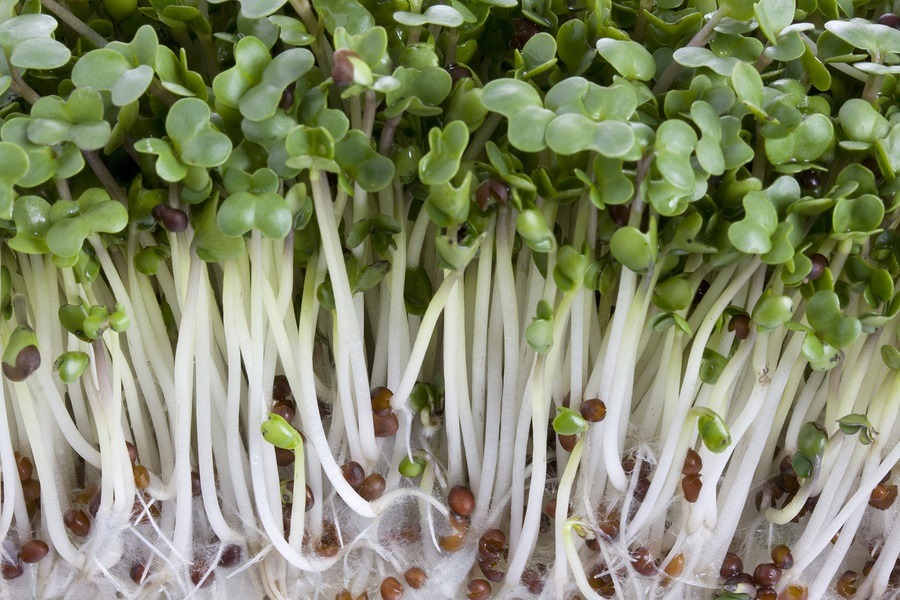
However a
powerful solution exists with broccoli sprouts. The sprouts are more
nutrient dense and contain up to 50 times or more of the amount of
sulforaphane than normal broccoli.
More importantly, sprouts are eaten raw with other foods, which keeps their vital enzymes intact. [1]
Sandwiches
of all types, scrambled eggs, soups, and salads are enjoyed even more
by adding crunchy broccoli sprouts, which are as tasty as popular
alfalfa sprouts. It doesn’t get any easier or tastier than that to
increase one’s cancer fighting food intake.
The Research and Legal Saga of Broccoli Sprouts
There
have been several studies that confirm not only broccoli sprouts’
ability to resist cancer tumors from forming, but also to resist heart
failure, high blood pressure (hypertension), stomach ulcers, asthma, and
inflammatory diseases such as rheumatoid arthritis.
Perhaps the
most profoundly famous and notoriously infamous study was conducted by
researchers at Johns Hopkins University in Baltimore, Maryland. It was
profound because they isolated previously unknown powerful anti-cancer
properties of broccoli sprouts.
It was notoriously infamous
because they tried to patent broccoli sprout seeds for monetary gain.
The problem was they didn’t genetically modify the seed or even create a
hybrid.
After the Johns Hopkins broccoli sprout studies, which
had started around 1992, one of the researchers, Dr. Paul Talalay,
formed the corporation Brassica Protection Products (BPP) to “…exploit
the financial benefits of my findings.” [2]
Following on the heels of Angelina Jolie's widely celebrated decision
to remove her breasts 'preventively,' few truly understand how
important preventing environmental chemical exposures and incorporating
cancer-preventing foods into their diet really is in reducing the risk
of gene-mediated breast cancer.
There is so much fear and misinformation surrounding the so-called 'Breast Cancer Associated'
genes, BRCA1 and BRCA2, that it should help to dispel some prevailing
myths by looking at the crucial role that epigenetic factors play in
their expression. Literally 'above' (epi) or 'beyond' the control of
the genes, these factors include environmental chemical exposures,
nutrition and stress, which profoundly affect cancer risk within us all, regardless of what variant ('mutated' or 'wild')* that we happen to carry within our genomes.
In 2012, a very important study was published in the Journal of Nutritional Biochemistry that looked at the role a natural compound called resveratrol
may play in preventing the inactivation of the BRCA-1 gene. BRCA-1 is
known as a "caretaker" gene because it is responsible for healing up
double-strand breaks within our DNA. When the BRCA-1 gene is rendered
dysfunctional or becomes inactivated, either through a
congenital/germline inheritance of DNA defects ('mutation') or through
chemical exposures, the result is the same: harm to the
DNA repair mechanisms within the affected cells (particularly breast
and ovary; possibly testicular), hence increasing the risk of cancer.
Ironically,
while the prevalence of a "bad" inherited BRCA1 variation is actually
quite low relative to the general population (A 2003 study found only
6.6% of breast cancer patients even have either a BRCA1 and BRCA2
germline mutation[1]),
everyone's BRCA1 and BRCA2 genes are susceptible to damage from
environmental chemical exposures, most particularly xenobiotic
(non-natural) chemicals and radiation. This means that instead of
looking to a set of "bad" genes as the primary cause of cancer, we
should be looking to avoid exposing both our "bad" and "good" genes
alike to preventable chemical exposures, as well as avoiding nutrient
deficiencies and/or incompatibilities, which also play a vital role in
enabling us to express or silence cancer-associated genes. [For more on
why genes don't "cause" disease see: The Great DNA Data Deficit.]
There are plenty of "pink"products
in support of breast cancer awareness, but why not just cut out the
middle man and eat naturally pink anti-breast cancer foods?
It's Breast Cancer Awareness Month,
when companies love to showcase pink packaging...but sometimes, what's
inside those packages isn't so healthy. So we've rounded up 8 naturally
pink foods that have all been shown to help keep away breast cancer.
Always choose organic to avoid pesticides and toxins. Go, Mother Nature!
Red cabbage
A compound called indole-3-carbinol
(also rich in cruciferous vegetables) is now being researched for its
potential to significantly reduce the incidence of breast cancer.
Pomegranates
These gem-like fruits may prevent breast cancer, lab studies suggest, by blocking a certain enzyme (aromatase) that converts androgen to estrogen.
Beets
Extract of red beetroot
has been shown to help suppress multi-organ tumors in lab tests, and
experts are considering using them in combination with traditional
anticancer drugs to reduce their toxic side effects.
Radishes
High in antioxidants, these have been shown to help reduce the spread of breast cancer cells. Additionally, a lab study with Japanese radish sprouts significantly lowered the incidence of mammary tumors.
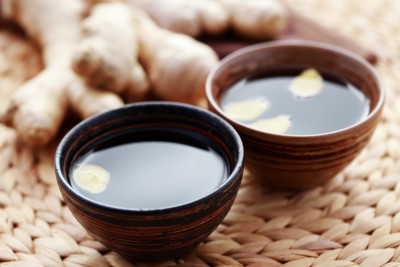
New research published in the Journal of Biomedicine and Biotechnology found that "ginger may be a promising candidate for the treatment of breast carcinomas."[i] This is a timely finding, insofar as breast cancer awareness month
is only days away, and one of the primary fund-raising justifications
is the false concept that a low-cost, safe and effective breast cancer
treatment is not yet available. Could ginger provide the type of cure
that conventional, FDA-approved treatments have yet to accomplish?
The
new study was performed by researchers at the Biological Sciences
Department, Faculty of Sciences, King Abdulaziz University, Saudi
Arabia, who discovered that a crude extract derived from the medicinal
plant ginger (Zingiber officinale) inhibited the proliferation of breast
cancer cells, without significantly affecting the viability of
non-tumor breast cells -- a highly promising property known as selective cytotoxicity, not found in conventional treatments.
The researchers outline the serious problems with present breast cancer therapies thusly:
Despite
significant advances toward targeted therapy and screening techniques,
breast cancer continues to be a chronic medical problem worldwide, being
the most common type of cancer in women and the leading cause of death [1].
Typically, the treatment of breast cancer involves hormonal therapy
with tamoxifen or other selective estrogen receptor (ER) modulators [2–4].
However, almost all patients with metastatic disease and approximately
40% of patients that receive tamoxifen experience relapse that ends by
death [5]. In addition, the clinical utility of ER antagonists is often limited by side effects [2, 3, 6] and is largely ineffective against ER-negative breast cancer [2, 3].
Furthermore, despite the fact that many tumors initially respond to
chemotherapy, breast cancer cells can subsequently survive and gain
resistance to the treatment [7].
Thus, identification of novel agents that are relatively safe but can
suppress growth of both ER-positive and ER-negative human breast cancers
is highly desirable.
They described their interest in investigating crude extracts of ginger in the following manner:
Despite
knowledge about the potent anticancer activity of the ginger, the
molecular mechanisms underlying this activity are not currently well
known in breast cancer. Based on the previously mentioned reported
scientific data and considering the fact that in some cases herbal
extracts are showing more potency than the purified components [21, 22],
the present study was undertaken to investigate the impacts of crude
extracts of ginger on growth of breast cancer cell lines.
They discovered that ginger was capable of positively modulating a surprisingly wide range of molecular mechanisms simultaneously, such as:
Induction of apoptosis (programmed cell death)
Upregulation of Bax (a pro-apoptosis gene)
Downregulation of Bcl-2 proteins (cancer-associated)
Downregulation of prosurvival genes NF-κB, Bcl-X, Mcl-1, and Survivin
Downregulation of cell cycle-regulating proteins, including cyclin D1 and cyclin-dependent kinase-4 (CDK-4). (cancer-associated)
Increased expression of CDK inhibitor, p21 (anti-cancer associated)
Mainstream medicine continues to push women to get yearly mammograms as a way to defend themselves against the epidemic of deadly breast cancer. However, mammograms do nothing to prevent the disease or improve survival rates. But the amazing little flaxseed does.
Scores
of studies reveal the anticancer effects of flaxseed. Researchers from
the University of Toronto recently reviewed the literature to answer
questions about the compounds found in flaxseed and how effective they
are in reducing breast cancer risk and tumor growth, and whether flaxseeds interact beneficially with breast cancer drugs.
They reviewed in vitro, animal, observational, and clinical studies on flaxseed and flaxseed oil, as well as lignans found in flaxseed.
Lignans are a class of phytoestrogens or plant estrogens that also act as antioxidants. Other foods also contain lignans including sesame, sunflower and pumpkin seeds, grains (rye, barley, wheat and oats), broccoli and beans. But flaxseed has hundreds of times the amount of lignans as any of the others.
The
University of Toronto review documents the amazing power of flaxseed to
prevent and slow the growth of breast cancer. Here's what the studies
tell us:
The majority of animal studies show a diet of
2.5%-10% flaxseed or the equivalent amount of lignan or flaxseed oil
reduces tumor growth.
Diets consisting of 10% flaxseed and the
equivalent amount of lignans do not interfere with but rather increase
the effectiveness of tamoxifen. A diet of 4% flaxseed oil increases trastuzumab/Herceptin effectiveness.
Observational
studies show flaxseed and lignan intake, urinary excretion, or serum
levels are associated with reduced breast cancer risk, particularly in
postmenopausal women.
Lignans reduce breast cancer mortality by
33% to 70%. They also reduce all-cause mortality by 40%-53%. In both
cases, lignans do not reduce the effectiveness of Tamoxifen.
Taking 50 mg of lignans for one year reduces breast cancer risk in premenopausal women.
Flaxseeds protect women from breast cancer in a variety of ways. Here are just a few:
Flaxseeds decrease tumor cell proliferation.
When eaten, lignans in flaxseeds are broken down by bacteria in the gut
into 2 estrogen-like compounds that circulate through the liver. These
compounds have been proven in animal studies to help prevent breast cancer by preventing tumor growth.
Lignans block tumor blood supply.
Tumors need angiogenesis - new blood vessels - to supply oxygen and
nutrients for growth. Flaxseeds inhibit the growth factor needed to
stimulate angiogenesis according to animal studies.
Lignans lower estrogen production. Lignans block aromatase,
the enzyme involved in the production of estrogen. Blocking the enzyme
lowers estrogen production. High estrogen levels have been linked to
the growth of breast cancer.
A new turmeric study published in Cancer Letters is paving the way for a revolution in the way that we both understand and treat cancer. Titled, "Targeting cancer stem cells by curcumin and clinical applications," U.S. researchers evaluated the primary polyphenol in the Indian spice known as curcumin for its ability to target cancer stem cells (CSCs), which are believed to be at the root cause of tumor formation and malignancy.
Whereas conventional models of cancer
assumed that the majority of the cancer cells within a tumor possess
self-renewal capacity to differing degrees, the CSC model proposes that,
"[T]he initiation, maintenance, and growth of a tumor is driven by a
minor population of cancer cells termed cancer stem cells (CSCs)," and
that "These CSCs undergo continuous self-renewal and differentiate to
heterogeneous cancer cells, yielding new tumors recapitulating the
parental tumors, while the majority of cancer cells lack self-renewal
capacity."
In other words, the CSCs are at the apex of a
hierarchy of cells within the tumor, and are the "mother" of the various
daughter cells that make it up, most of which are intrinsically benign.
Conventional treatment with chemotherapy and radiotherapy, based on a
rodent model with a 2-year experimental window to evaluate treatment
efficacy and safety, was incapable of comprehending the CSC-mediated
cause of post-treatment tumor recurrence, which in humans can take
decades after initial treatment to manifest. Although it was possible to
debulk a tumor with surgery, chemotherapy and radiation, CSC
populations were often missed or even enriched as a result. When
the tumor mass regrew it often became more invasive and
treatment-resistant, resulting in the rapid demise and death of the
patient -- deaths which are often written off inaccurately or
disingenuously as non-treatment related.
Given that conventional treatment can drive an intrinsically benign tumor (i.e., so-called indolent tumors)
into greater invasiveness through increasing the number of
intrinsically resilient cancer stem cells at the very same moment that
it kills the less or non-harmful daughter cells, alternative treatment
approaches are needed now more than ever.
A new study from Zheijian Provincial People's Hospital in Zheijiang, China indicates that a compound in turmeric known as curcumin,
which gives the spice its characteristic saffron-like color, is capable
of inducing programmed cell death (apoptosis) within triple negative
breast cancer cells.1
Triple negative breast cancer
(TNBC), so named because the cells do not have the characteristic
receptors for estrogen, progesterone and Her2/neu, is considered the
most treatment resistant, primarily because these 'missing receptors'
are required for many of the most popular conventional treatments to
work, e.g. Tamoxifen
targets estrogen receptors. For this reason, TNBC is considered the
most aggressive, the most likely to be treated with less-targeted (and
therefore more toxic) forms of chemotherapy, and the soonest to return
when treatment fails.
Approximately 15-25% of all breast cancer
cases are triple negative. Unfortunately, however, the most visible
non-profit foundation dedicated to bringing awareness to the condition,
the Triple Negative Breast Cancer Foundation,
is focused almost exclusively on raising awareness and money for a
future pharmaceutical "cure" – much in the same way as its partner,
Susan G. Komen, and the larger breast cancer awareness organization,
Breast Cancer Awareness Month, act as if removing and addressing the
obvious causes of cancer, e.g. carcinogenic chemical and radiation
exposures, were not the first priority. For those suffering through or
recovering from treatment right now, or trying to decide what to do with
a new diagnosis, this latest Chinese study is promising.









 Collective Evolution