Showing posts with label Allergens. Show all posts

Thursday, February 13, 2014

GMO's - The FDA doesn't require a single study, and the complex biology of GM crops may produce far more side-effects than drugs. Are you inflamed over GMO foods?

Are you inflamed over GMO foods?

Several years ago the general public was completely unaware of GMOs and GE foods (genetically modified organisms or genetic engineering), but today the topic is becoming rather well known, thanks to growing education and alternative media coverage. The general public is becoming better informed about the potential harms and health issues associated with biotechnology and bioengineered foods, but the smoke and mirrors the mega-corporations use to obfuscate deeper understanding of the dangers inherent in such 'mad science' increases in tandem with growing awareness.

Ok, so a lot of people know they are eating GMO's and what they are, but the real question is: are GMOs actually safe, as proponents and supporters of biotechnology claim, or are they not? Should we be worried about the long-term health and environmental effects of genetically altered foods? In the following article I hope to present clear evidence and data for stating very definitively: YES! We should be very concerned!

As an organic farmer, agriculture consultant and researcher, I became interested in the GMO issue over seven years ago, particularly their effects on the soil and the contamination or mutation of various plant species. 'Connecting the dots', so to speak, it dawned on me how serious this issue is, not just in terms of the environmental effects of GMOs, but also the consequences of eating GMO foods for human health.

A very disturbing picture began to emerge.

As I realized that this 'genetic engineering' is essentially a mad science, I joined a local group called 'Seeds of Truth'. We began meeting weekly to discuss how to get the word out about the growing takeover of Hawaii's agricultural lands by several biotechnology corporations.

In November 2010, I had an opportunity to do a podcast with the SOTT team: GMO Frankenfoods and What You Can Do to Improve Your Health. The transcript for the podcast can be read here.

What exactly is Biotechnology & Genetic Engineering?
For those who are new to this topic, it's important to explain some background knowledge when using the term 'Biotechnology'. According to Wikipedia:
Biotechnology (sometimes shortened to "biotech") is the use of living systems and organisms to develop or make useful products, and it is usually seen in agriculture, food production and medicine production. Modern use of similar terms includes genetic engineering as well as cell and tissue culture technologies. The concept encompasses a wide range of procedures (and history) for modifying living organisms according to human purposes - going back to domestication of animals, cultivation of plants, and "improvements" to these through breeding programs that employ artificial selection and hybridization. By comparison to biotechnology, bioengineering is generally thought of as a related field with its emphasis more on higher systems approaches (not necessarily altering or using biological materials directly) for interfacing with and utilizing living things. The United Nations Convention on Biological Diversity defines biotechnology as:[1]

"Any technological application that uses biological systems, living organisms, or derivatives thereof, to make or modify products or processes for specific use."

Genetic engineering, also called genetic modification, is the direct manipulation of an organism's genome using biotechnology. New DNA may be inserted in the host genome by first isolating and copying the genetic material of interest using molecular cloning methods to generate a DNA sequence, or by synthesizing the DNA, and then inserting this construct into the host organism.
For the purpose of this article I will use the term 'genetic engineering' and 'genetically modified organisms' (GMO's) in place of 'biotechnology'. I hope to clearly explain that 'genetic engineering' is not in humanity's best interest, regardless of claims by avid supporters. The agriculture industry, or Big Ag, began introducing 'genetically engineered foods' to the public in the early 1990s. Today, 80% of U.S. grocery store foods contain GMOs.The following articles carried on SOTT.net provide important background information regarding the 'mad science' behind GMO technology:

Explained: What Are GMOs?
A GMO (genetically modified organism) is the result of a laboratory process where genes from the DNA of one species are extracted and artificially forced into the genes of an unrelated plant or animal. The foreign genes may come from bacteria, viruses, insects, animals or even humans. Since this involves the transfer of genes, GMOs are also known as "transgenic" organisms.

The genetic engineering technology was developed in the 1970s. In the early 1990s, the tomato was one of the first to fall victim to this technology. The anti-freeze genes from an Arctic fish were forced into tomato DNA, allowing the plants to survive frost. Fortunately, this type of tomato was not introduced into the marketplace. Actually, it never left the lab.

In 1976, a major biotechnology company manufactured a herbicide called Roundup. When the farmers sprayed this herbicide on their crops, not only would it kill the weeds, but it would also kill the crops. This biotech company developed genetically modified crops after finding bacteria in a chemical waste dump near its factory that were not dying in the presence of the herbicide. The bacterial gene that produced the protein that allowed it to survive in the presence of herbicide was inserted into soy, corn, cotton and canola.

In 1996, this company (Monsanto) introduced genetically modified soybeans, and slowly introduced genetically engineered corn, cotton and canola. When these crops are sprayed with this Roundup, all plants except the resistant crop are killed.

In 1992, the FDA declared that GM crops are GRAS (Generally Recognized As Safe) as long as their producers say they are. Therefore, the FDA doesn't require any safety evaluations or labeling of GMOs. A company can even introduce a genetically modified (GM) food to the market without telling the agency. The official FDA policy stated, "The agency is not aware of any information showing that foods derived by these new methods differ from other foods in any meaningful or uniform way." But behind closed doors an internal FDA report stated: "The processes of genetic engineering and traditional breeding are different and according to the technical experts in the agency, they lead to different risks."

Internal memos made public from a lawsuit showed that GM crops can have unpredictable, hard-to-detect side effects including allergies, toxins, nutritional effects and new diseases as potential dangers. The FDA doesn't require a single study, and the complex biology of GM crops may produce far more side-effects than drugs. GM foods are fed to the entire population, and they are not labeled or monitored, so symptoms are difficult or impossible to track.
Dr. Tim O'Shea, author of the website 'The Doctor Within', provides more background information explaining what exactly GMOs are:

Genetically Modified Foods: 80% of What's In Your Grocery Cart:
Since the 1990s world agriculture and food production has undergone the most radical transformation in history. With very little public awareness, in just a few short years genetically modified foods have come to dominate both global agriculture and supermarket shelf space.

The first GMO experiment was crossing the DNA of a flounder with that of a tomato. This was done in order to make the tomato able to withstand colder temperatures. Oh yes, did we mention? - in the biotech industry, pieces of DNA can be transferred theoretically from any plant to any animal, vice versa, or any combination thereof.

Segments of DNA from one species are randomly spliced into the DNA of the other species hundreds and hundreds of times until the desired effect appears. How this cross-species DNA insertion is accomplished is a little less than scientific. The two most common methods of DNA modification are
  • the gene cannon
  • using bacteria and viruses as carriers for the DNA fragment
Scientists refer to the Position Effect when talking about not being able to predict where the inserted fragments will end up in the genetic sequence. Limitless possibilities result - recombining genetic sequences that can turn on or turn off vital processes that have taken thousands of years to refine.

In the gene cannon method tiny little golden bullets are shot into the cells of the target organism with a .22 calibre pistol. Not kidding. Hundreds of times. In this way the DNA of the host organism can be available for splicing in new fragments from the donor species. Of course this method is imprecise and unpredictable and anything but scientific. Only a tiny percentage of the blasted foreign DNA ends up inside the host DNA, of course. But if you do it enough times, you might eventually get a desired recombination. This was the how the flounder and tomato genes were combined.

The more popular method however is to use bacteria and viruses as carriers of donor DNA fragments which may then invade the host's DNA and splice in the new pieces. We have long known that viruses have this ability to invade the host's DNA and to actually splice themselves into the DNA strands. Both these methods of genetic modification result in the random scrambling of the host's DNA, which has virtually unlimited unpredictable consequences.
Are you inflamed because of GMOs?

By 'inflamed', I'm not just referring to the state of anger and frustration people feel upon learning the sneaky, deceptive tactics Biotechnology corporations use to put these unsafe ingredients in our food. I am talking about inflammation in the body as a result of eating genetically engineered food loaded with 'genetically mutated bacteria and viruses'.

Extensive study has been conducted regarding inflammatory responses to disease in the body. Doctors like Mark Hyman and Gabor Mate have written about the connections between inflammation in the body and the onset of disease:

Is Your Body Burning Up with Hidden Inflammation?
Inflammation: The Good, the Bad, and the Ugly

Everyone who has had a sore throat, rash, hives, or a sprained ankle knows about inflammation. These are normal and appropriate responses of the immune - your body's defense system - to infection and trauma.

This kind of inflammation is good. We need it to survive - to help us determine friend from foe.

The trouble occurs when that defense system runs out of control, like a rebel army bent on destroying its own country.

Many of us are familiar with an overactive immune response and too much inflammation. It results in common conditions like allergies, rheumatoid arthritis, autoimmune disease, and asthma. This is bad inflammation, and if it is left unchecked it can become downright ugly.

What few people understand is that hidden inflammation run amok is at the root of all chronic illness we experience - conditions like heart disease, obesity, diabetes, dementia, depression, cancer, and even autism.

How to Locate the Causes of Hidden Inflammation

So if inflammation and immune imbalances are at the root of most of modern disease, how do we find the causes and get the body back in balance?

First, we need to identify the triggers and causes of inflammation. Then we need to help reset the body's natural immune balance by providing the right conditions for it to thrive.

As a doctor, my job is to find those inflammatory factors unique to each person and to see how various lifestyle, environmental, or infectious factors spin the immune system out of control, leading to a host of chronic illnesses.

Thankfully, the list of things that cause inflammation is relatively short:
  • Poor diet - mostly sugar, refined flours, processed foods, and inflammatory fats such as trans fats - Lack of exercise
  • Stress
  • Hidden or chronic infections with viruses, bacteria, yeasts, or parasites
  • Hidden allergens from food or the environment
  • Toxins such as mercury and pesticides
  • Mold toxins and allergens
Dr. Gabor Mate also describes inflammation in the body in his book, When the Body Says No: Understanding the Stress-Disease Connection:
Inflammation is an ingenious process invoked by the body to isolate and destroy hostile or noxious particles ( think GMO's). It does so by tissue swelling and the influx of a host of immune cells and anti bodies. To facilitate it's defensive function, the lining or mucose, of the bowel is in a perpetually controlled or orchestrated state of inflammation. This is a normal state in healthy people. The powerfully destructive forces of the immune apparatus must be routinely regulated, kept in balance, so that it can carry out policing duties without harming the delicate body tissues, it is in charge of defending. Some substances (again think GMO's) promote inflammation others inhibit it. If the balance is upset disease can result.
Additional information about the connection between inflammation and disease is available at the Greenmedinfo.com website:

The Truth About Disease - What it is and What Causes it
Modern medicine describes hundreds of individual "diseases." Each "disease" is generally named for a group of symptoms and the area of the body affected. Many are suffixed by -itis, meaning inflammation of... like tonsill-itis or arthr-itis. And interestingly, recent studies are finding inflammation involved in virtually all of them. Does this terminology serve to pigeonhole distinct "diseases" and distract us from seeing the big picture of inflammation as the disease? Have we been looking at secondary pathologies and opportunistic microbes, and treating them at symptom-level... instead of addressing a common root cause? Is there some imaginary partition that separates human health from chemistry, physics and cell biology?

Whether inflammation is acute like appendicitis or chronic like atherosclerosis and obesity, an immune response is taking place. In-flam-mation literally means "on fire" and is classically marked by the Latin: rubor, tumor, calor and dolor - or redness, swelling, heat and pain - so we know from those words that oxidation is at work.

Oxidation is simply fire or rust or whenever one molecule seizes an electron from another molecule. The needy oxidant grabs or shares the electrons of an electron rich anti-oxidant. When the electrons are stolen from chemical bonds, those molecules (like DNA) come apart or are deformed (like fats) and said to be oxidized, burnt.

Inflammation does not just happen; a bacterium or toxin or some other irritant triggers an immune response. The ammunition used by the body for immune firefights is singlet oxygen, an all-purpose defensive weapon. With an unpaired electron, an oxygen radical is a powerful oxidant.

It can deconstruct and destroy pathogens, poisons, cell debris and other unwanted substances, molecule by molecule, by snatching the electrons that hold them together. Immune cells initiate the conflagration, armed with mini-flamethrowers that generate oxidative bursts of singlet oxygen to burn the area clean.

Now that we have covered both the history of GMO technology and the inflammatory response in the body, we can begin to look at the deeper issues associated with 'genetic engineering' and the introduction of mutated foreign pathogens into our bodies, such as bacteria and viruses.

© naturalfamilymedicine.com
Is it possible that GMOs trigger and cause inflammation in the body?

With the introduction of 'genetic engineering' and its widespread use in the production of food for both humans and animals, we can begin connecting the dots. The issue here is that this 'genetic mad science' is producing disease and illness in the population based on the foods that are being touted as safe and healthy. Basically the population is being used as guinea pigs to test the long term effects of eating a diet composed of genetically modified organisms. Naysayers and pro GMO advocates say that 'genetically altered foods' are safe, GRAS (Generally regarded as Safe) or substantially equivalent to non GMO food, but where is the data to back up such a claim? Biotechnology corporations like Monsanto claim that there is no need for value testing the safety of GMO foods. What do scientists working in the field say?
"As a scientist, actively working in the field [of GMO] I find that it is very, very unfair to use our fellow citizens as guinea pigs." - Arpad Pusztai, PhD

Read More Here
Enhanced by Zemanta

Monday, January 27, 2014

Soy has become a major source of toxicity for human beings, especially in the last three decades.

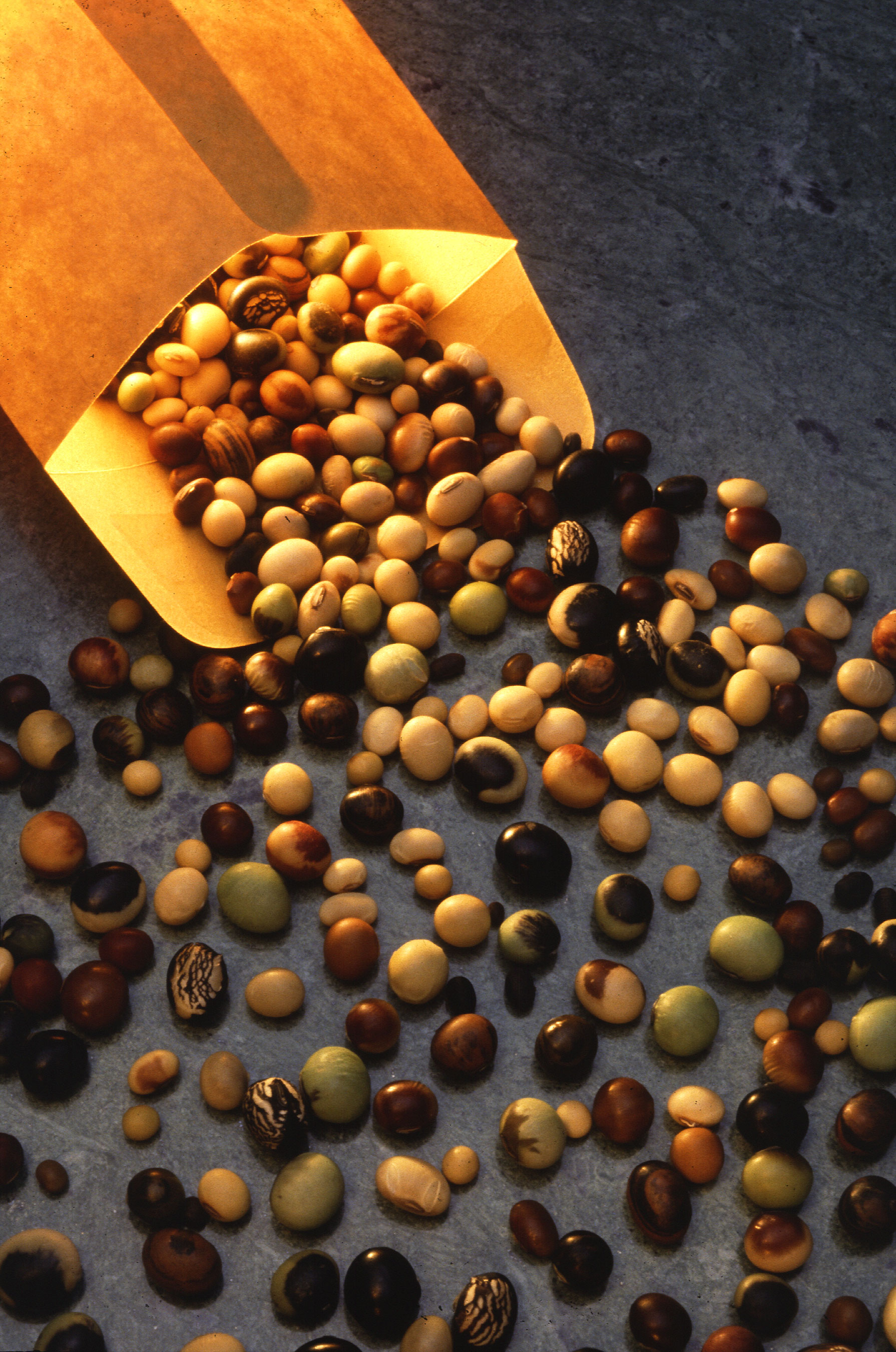
File:Soybeanvarieties.jpg

Varieties of soybeans (Glycine max). Soybeans are practically as much a part of American life as baseball. They're grown today in more than half the United States. Yet, a hundred years ago, they were virtually unheard of-raised only by a handful of innovative farmers. These seeds, from the National Soybean Germplasm Collection housed at Urbana, Illinois, show a wide range of colors, sizes, and shapes.
Image Source  :  Wikimedia.org
Author Scott Bauer
USDA Image Number K5267-7

.....

PreventDisease.com

Jan 27, 2014 by NATASHA LONGO

Whether Labeled Organic, Non-GMO or Conventional, Here Are 12 Reasons To Avoid Any Kind of Soy


Soy has become a major source of toxicity for human beings, especially in the last three decades. Not only is more than 99% of soy genetically modified, but sources labeled organic or non-GMO are often exposed to the same problems as conventional soy. If you consume processed foods, soy is almost impossible to avoid. With the exception of wheat, there are few foods that are causing as many health problems as soy in the food supply. Here are 12 reasons to avoid any kind of soy.

1. Soy Reduces Assimilation of Minerals
Phytic acid is present in the bran or hulls of all seeds and when we compare the phytate of soy to many other types of beans and nuts, the percent mass is not that far off, but that's not the problem. The problem is how much we are consuming. Most people stuck on the soy bandwagon are consuming far more phytate by the sheer volume through mass consumption of things like soy milk, tofu, cereals, and processed foods. It doesn't even compare to the amount they would consume through seeds and nuts. The effect of phytic acid on iron absorption has been thoroughly studied. As evident in a study in the American Journal of Clinical Nutrition, as phytic acid increases, it has a diminishing impact on iron while inhibiting its absorption. This applies to almost every major mineral including zinc--one of the most important minerals for the human body. Two billion people may now have zinc deficiency. Phytates bind to zinc and thereby decrease its bioavailability. Phytic acid levels in soy reduce assimilation of calcium, magnesium, copper, iron and zinc.
2. Soy Causes Growth Problems and Even Cancer In Children
The phytic acid in soy is not neutralized by ordinary preparation methods such as soaking, sprouting and long, slow cooking. Consequenty thse high phytate diets have caused growth problems in children. Combined with the presence of both phytoestrogens and arsenic, soy-based formulas are a disease promoting ticking time bomb for infants. A study published in the peer-reviewed journal The Prostate, revealed that humans exposed to a combination of both toxicants were almost twice as likely to develop cancerous cells in their prostate. While it is established that both arsenic and estrogen can cause cancer, the research raises concerns about the dangers of chemicals in combination, and the efficacy of regulations that are established by testing one chemical at a time. True cancer of the prostate, carcinoma, is seldom seen in infants and children, but other forms of malignant tumors may develop and more cases are appearing in developed nations where the link appears to center around soy infant formula. While many claims have been made about the health benefits of these estrogen-like compounds, animal studies indicate that soy (both conventional and organic) contain powerful endocrine disrupters that alter growth patterns and cause sterility. Soy formula is also laden with toxic chemicals such as aluminum and manganese, which can cause both physical and mental health problems, learning disabilities, brain damage, and behavioral problems. A study published in the Proceedings of the National Academy of Sciences found that the highly concentrated phytoestrogens in soy formula weaken the immune systems of babies. Toxicologists estimate that an infant exclusively fed soy formula receives the estrogenic equivalent of at least five birth control pills per day.
3. Soy Linked To Cancer
The Chinese did not eat unfermented soybeans as they did other legumes such as lentils because the soybean contains large quantities of natural toxins or "antinutrients". First among them are potent enzyme inhibitors that block the action of trypsin and other enzymes needed for protein digestion. These inhibitors are large, tightly folded proteins that are not completely deactivated during ordinary cooking. They can produce serious gastric distress, reduced protein digestion and chronic deficiencies in amino acid uptake. In test animals, diets high in trypsin inhibitors cause enlargement and pathological conditions of the pancreas, including cancer. What about the Japanese? The Japanese, and Asians in general, have much higher rates of other types of cancer, particularly cancer of the esophagus, stomach, pancreas and liver. Asians throughout the world also have high rates of thyroid cancer. The logic that links low rates of reproductive cancers to soy consumption requires attribution of high rates of thyroid and digestive cancers to the same foods, particularly as soy causes these types of cancers in laboratory rats. Just how much soy do Asians eat? A 1998 survey found that the average daily amount of soy protein consumed in Japan was about eight grams for men and seven for women - less than two teaspoons. Americans are consuming amounts far exceeding this quantity. Thousands of women are now consuming soy in the belief that it protects them against breast cancer. Yet, in 1996, researchers found that women consuming soy protein isolate had an increased incidence of epithelial hyperplasia, a condition that presages malignancies. A year later, dietary genistein was found to stimulate breast cells to enter the cell cycle - a discovery that led the study authors to conclude that women should not consume soy products to prevent breast cancer.
4. Soy Promotes Infertility
Soy beans contain genistein, a natural compound that has estrogenic effects because it binds the estrogen receptor with relatively high affinity. A study in the Journal Toxicology and Applied Pharmacology showed that dietary genistein exhibits a strongly increased estrogenic effect and cautionary attitude towards the consumption of large amounts of soy or soy supplements is warranted to prevent infertility. Another study in the journal Obstetrics and Gynecology International found that soy ingestion increases amniotic fluid phytoestrogen concentrations in female and male fetuses. Phytoestrogens daidzein and genistein may, alone or in combination with other chemicals, function as endocrine disruptors, with potentially adverse effects on male reproductive function.

5. D-Glutamic Acid
Natural glutamate in plants and animals is known as L-glutamic acid. Our normal digestive process slowly breaks down this natural or "bound" glutamic acid and it is then delivered to glutamate receptors in our body and brain. Broken down this way, it is harmless. However, factory, artificially bound D-glutamic acid in soy is broken down or made "free" by various processes (hydrolyzed, autolyzed, modified or fermented with strong chemicals, bacteria, or enzymes) is toxic to the human body. Since free glutamate can be a component part of certain food additives, such as hydrolyzed soy protein and cheap soy sauce, it is essentially unregulated when it comes to labeling standards. Many people who are very sensitive to D-glutamic acid experience respiratory, neurological, muscular, skin, urological and even cardiac symptoms.
6. High Levels of Aluminum
Soy has to go through a process to become soy protein isolate. Acid washing in aluminum tanks, which is designed to remove some of the antinutrients (but the results often vary widely), leeches aluminum into the final product. Aluminum can have adverse effects on brain development and cause symptoms such as antisocial behavior, learning disabilities. alzheimer's disease and dementia. Harsh alkaline soaking solutions are used mainly in the production of modern soy foods such as soy protein concentrates, soy supplements, soy protein shakes, textured soy protein (TSP), etc. Much of the trypsin inhibitor content can be removed through high-temperature processing, but not all. Trypsin inhibitor content of soy protein isolate can vary as much as fivefold.
7. Blocks Production of Thyroid Hormone
In 1991, Japanese researchers reported that consumption of as little as 30 grams or two tablespoons of soybeans per day for only one month resulted in a significant increase in thyroid-stimulating hormone. Soy foods have a high concentration of goitrogens which block production of thyroid hormones. Scientists have known for years that soy-based formula can cause thyroid problems in babies. Scientists Daniel Sheehan and Daniel Doerge, from the National Center for Toxicological Research presented findings from rat feeding studies, indicating that genistein in soy foods causes irreversible damage to enzymes that synthesise thyroid hormones. Soy consumption is associated with thyroid disorders such as hypothyroidism, goiter, and autoimmune thyroid disease (ATD) as well as increased iodine requirement in certain cases.
8. Causes Allergic Reactions
Soy is one of the top allergens--substances that cause allergic reactions. Today, soy is widely accepted as one of the "big eight" that cause immediate hypersensitivity reactions. Some 28 different proteins present in soy have been found to bind to IgE antibodies. It's also worth noting that the more soy protein you eat, the more likely you are to develop allergies to it -- and the more severe those allergies are likely to become. Delayed allergic responses to soy are less dramatic than the top allergens like peanuts or shellfish, but are even more common. These are caused by antibodies known as immunoglobulins A, G or M (IgA, IgG or IgM) and occur anywhere from two hours to days after the food is eaten. These have been linked to sleep disturbances, bedwetting, sinus and ear infections, crankiness, joint pain, chronic fatigue, gastrointestinal woes and other mysterious symptoms. Food "intolerances", "sensitivities" and "idiosyncrasies" to soy are commonly called "food allergies", but differ from true allergies in that they are not caused by immune system reactions but by little-understood or unknown metabolic mechanisms. Strictly speaking, gas and bloating--common reactions to soy and other beans--are not true allergic responses. However, they may serve as warnings of the possibility of a larger clinical picture involving allergen-related gastrointestinal damage. The soybean industry knows that some people experience severe allergic reactions to its products. In a recent petition to the FDA, Protein Technologies International (PTI) identified "allergenicity" as one of the "most likely potential adverse effects associated with ingestion of large amounts of soy products".
9. Genetically Modified
Any ingredient listed as soybean or soy on any product ingredient list has a 93% chance of being GMO if it is not listed as organic. But even organic soy cannot be trusted. Soy is very problematic crop. Non-organic sources of soy in many agricultural practices are being passed off as organic. In 2011, the USDA uncovered a plot to import fraudulent organic certificates produced by an uncertified supplier in China. The Chinese firm used the counterfeit certificate to represent non-organic crops, including soybeans, millet and buckwheat, as certified organic. These types of things are happening every year and only a fraction are being discovered. Even domestically sourced organic soybean crops are now being investigated for having GMO origins. Organic soy also does not change the toxicity of unfermented sources so abundant in the food supply.
10. Most Soy is Unfermented
Phytates in unfermented soy products actually obstruct absorption of protein and four key minerals: calcium, magnesium, iron, and zinc better than fermented sources. In their natural form, soybeans contain phytochemicals with toxic effects on the human body. The three major anti-nutrients are phytates, enzyme inhibitors and goitrogens. These anti-nutrients are the way nature protects the soybean plant so that it can live long enough to effectively reproduce. They function as the immune system of the plant, offering protection from the radiation of the sun, and from invasion by bacteria, viruses, or fungi. They make the soybean plant unappetizing to foraging animals. All plants have some anti-nutrient properties, but the soybean plant is especially rich in these chemicals. If they are not removed by extensive preparation such as fermentation or soaking, soybeans are one of the worst foods a person can eat. The net protein utilization of unfermented soy is 61 which quite low. The most common soy (99%) sold at major grocery retailers in soy milks and processed foods is unfermented soy. It is deadly. Unfermented soy has been linked to digestive distress, immune system breakdown, PMS, endometriosis, reproductive problems for men and women, allergies, ADD and ADHD, higher risk of heart disease and cancer, malnutrition, and loss of libido. Fermented sources of soy such as natto, miso, tempeh and some fermented tofus are likely the only types of soy that should be consumed by humans and that's only if you can get around the crap shoot that they're non-GMO and organic (which there is no guarantee despite labeling).
11. Enzyme Inhibitors
When food is eaten, digestive enzymes such as amylase lipase and protease are secreted into the digestive tract to help break it down and free nutrients for assimilation into the body. The high content of enzyme inhibitors such as trypsin in unfermented soybeans interferes with this process and makes carbohydrates and proteins from soybeans impossible to completely digest. When foods are not completely digested because of enzyme inhibitors, bacteria in the large intestine try to do the job, and this can cause discomfort, bloating, and embarrassment. Anyone with naturally low levels of digestive enzymes such as elderly people would suffer the most from the enzyme inhibiting action of soy. In precipitated products, enzyme inhibitors concentrate in the soaking liquid rather than in the curd. Thus, in tofu and bean curd, growth depressants are reduced in quantity but not completely eliminated.
12. Immunotoxic
The prevalence of autoimmune diseases has significantly increased over the recent years. It has been proposed that this epidemiological evidence could be in part attributable to environmental estrogens, compounds that display estrogen-like activity. Environmental estrogens can be found in phytoestrogens which occur in soy. There is a considerable burden of evidence both in vitro and in animal models that these compounds exert immunotoxic effects. Phytoestrogens drastically reduce not only the size of the thymus, but also the bone marrow cavity as well, the sites where most deletion of autoreactive cells occur. Isoflavones, which are phytoestrogens present in large quantities in soy and soy-derived products, inhibit protein tyrosine kinase, and exert other effects in the body such as exacerbating the clinical course of this autoimmune disease.
Sources:
westonaprice.org
medscape.com
wholesoystory.com
mercola.com
Natasha Longo has a master's degree in nutrition and is a certified fitness and nutritional counselor. She has consulted on public health policy and procurement in Canada, Australia, Spain, Ireland, England and Germany.


Enhanced by Zemanta

Friday, August 2, 2013

EPA has allowed Monsanto to raise the allowable concentrations of glyphosate on food crops, animal feed, and edible oils like Canola,Soy,Sunflower,Flax and Peanuts, just to name a few.


Another win for Monsanto: US raises allowable levels of company’s pesticide in crops


Published time: July 23, 2013 17:14
Edited time: July 24, 2013 18:12
 
AFP Photo / Karen Bleier
Biotech giant Monsanto has been awarded yet another victory by the federal government thanks to a recent Environmental Protection Agency decision to allow larger traces of the herbicide glyphosate in farm-grown foods.
Despite a number of studies linking exposure to the chemical with diseases including types of cancer, the EPA is increasing the amount of glyphosate allowed in oilseed and food crops.
The EPA announced their plans on May 1 and allowed critics two months to weigh in and object to the ruling. Following little opposition, though, the EPA is on path to soon approve of levels of glyphosate being found in crops several times over the current concentration.
Glyphosate, a weed-killing chemical developed by Monsanto in 1970, is the key ingredient in the company’s “Roundup” label of herbicides. In the decades since, Monsanto has created and patented a number of genetically-modified organisms and genetically-engineered crops resisted to glyphosate that are sold worldwide under the company’s “Roundup Ready” brand. Those GMO products are then planted in fields where glyphosate, namely Roundup, is used en masse to eliminate weeds from taking over harvest. With scientists linking that chemical to cancerous diseases, though, critics decry the EPA decision and caution it could do more harm than good.
Through the EPA’s new standards, the amount of allowable glyphosate in oilseed crops such as flax, soybeans and canola will be increased from 20 parts per million (ppm) to 40 ppm, which GM Watch acknowledged is  over 100,000 times the amount needed to induce breast cancer cells. Additionally, the EPA is increasing limits on allowable glyphosate in food crops from 200 ppm to 6,000 ppm.


********************************************************************


The Alarming Truths About GMO

Published on May 13, 2013
http://articles.mercola.com/sites/art... Watch this video and discover the hidden truths about GMO, and its potential harm to the environment and ecosystems.

******************************************************************************

Prevent Disease .com


EPA Allows Monsanto's Glyphosate Herbicide At Levels 60 Times Higher Above Toxic Exposure For Canola, Soy, Sunflower, Flax and Peanuts
Are we starting to come full circle to the reality that we can no longer trust big agriculture or our food industry for responsible policies and procurement? Last month the EPA let Monsanto raise the allowable concentrations of glyphosate on food crops, animal feed, and edible oils. The new regulation lets farmers use more of the chemical, which is the active ingredient in the herbicide Roundup. Oilseed crops such as canola, soy, sunflower, flax and peanuts can now contain up to 40,000 parts per billion (ppb) glyphosate which is almost 60 times the minimum containment level for drinking water which even the EPA admits causes organ damage and reproductive effects.
See EPA Allowable Limit Glyophosate PPB Chart Here
Glyphosate is an herbicide produced and marketed by Monsanto Corporation, the agrochemical and biotechnology giant. Monsanto claims that glyphosate is safe and has successfully lobbied the Environmental Protection Agency to raise the residue limits of this toxic chemical.
But independent scientists disagree with Monsanto: several recently published peer-reviewed studies point to serious health impacts from exposure to this toxic herbicide.
Glyphosate has been shown in several recent studies to be an endocrine disruptor. According to the National Institutes of Health, endocrine disruptors could have long-term effects on public health, especially reproductive health. And the “dose makes the poison” rule does not apply to endocrine disruptors, which wreak havoc on our bodies at low doses.
Even a quick search for scientific publications on glyphosate demonstrates its toxicity and carcinogenicity:
Glyphosate-Induced Carcinogenicity
http://www.ncbi.nlm.nih.gov/pubmed/20045496

Glyphosate’s Suppression of Cytochrome P450 Enzymes

http://www.mdpi.com/1099-4300/15/4/1416
Glyphosate Induces Human Breast Cancer Cell Growth
http://www.ncbi.nlm.nih.gov/pubmed/23756170
Cytotoxicity of the herbicide glyphosate
http://www.ncbi.nlm.nih.gov/pubmed/18320126

Biomonitoring of genotoxic risk in agricultural workers
http://www.ncbi.nlm.nih.gov/pubmed/19672767
Technical Factsheet on: GLYPHOSATE
http://www.epa.gov/safewater/pdfs/factsheets/soc/tech/glyphosa.pdf


Read More Here


*********************************************************************

Enhanced by Zemanta